 travelandlearns
Related Articles



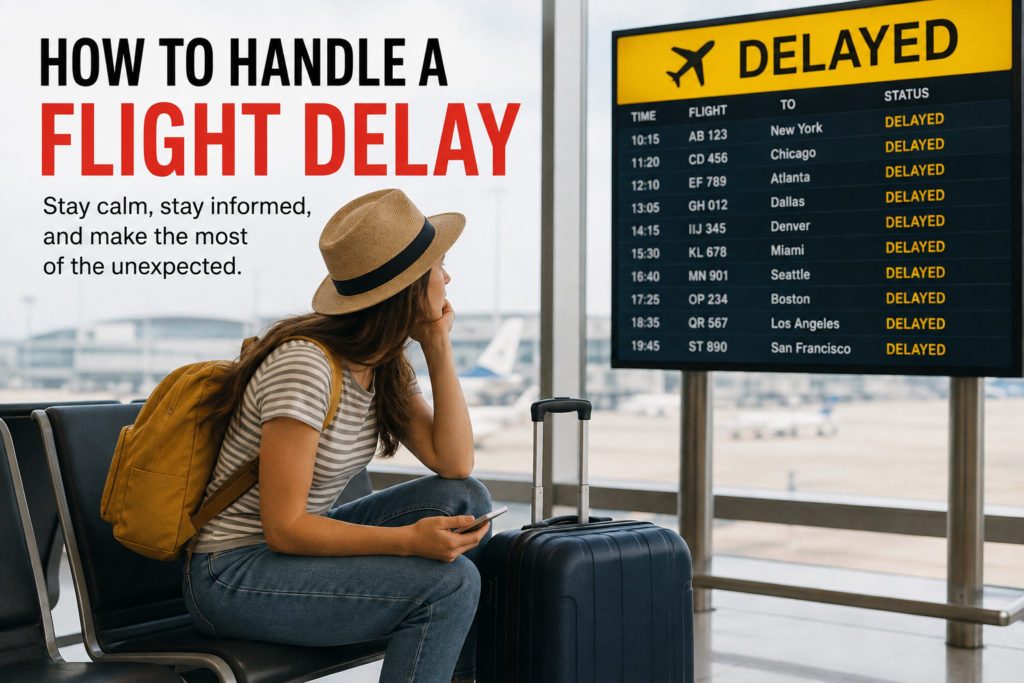
A flight delay can quickly change the mood of any trip. You arrive at the airport on time, complete security, find your gate, and then suddenly the departure board shows a delay. At that moment, it is normal to feel frustrated, especially when you have a connecting flight, hotel booking, important meeting, or someone waiting for you at your destination.
From my experience, the best way to handle a flight delay is to stay calm and focus on what you can control. A delay does not always mean your entire travel plan is ruined. With the right approach, you can manage the situation, protect your time, and make the waiting period much easier.
Why Do Flights Get Delayed?
Before getting stressed, it helps to understand why flight delays happen. Airlines can delay flights for many different reasons. Bad weather is one of the most common causes, but delays can also happen because of technical problems, air traffic congestion, late arriving aircraft, airport operations, crew availability, or security issues.
Sometimes the airline announces a short delay and later extends it. This can be frustrating because you may not know exactly when you will leave. Instead of constantly worrying about the original departure time, I recommend checking for updates regularly and planning according to the latest information.
Stay Calm and Check the Information
The first thing I do when a flight is delayed is check the official flight information. Look at the airport departure screen, airline application, website, text messages, or email notifications.
Do not rely only on information from other passengers. Someone sitting next to you may have heard a different announcement or may be guessing what is happening.
Check your flight number, updated departure time, gate number, and any information about boarding. If the airline provides a reason for the delay, take note of it because it may help you understand what to expect.
A calm approach is important because flight information can change several times during a delay.
Speak With the Airline Staff
If the delay creates a serious problem for your travel plans, speak with airline staff. Be polite and explain your situation clearly.
For example, if you have a connecting flight, international transfer, hotel reservation, or important appointment, let the airline representative know. They may be able to explain your options or help you understand what will happen if you miss your connection.
I believe being respectful can make these conversations much easier. Airport staff are often dealing with many frustrated travelers at the same time, so staying calm and asking clear questions is usually more productive than becoming angry.
Check Your Connecting Flight
A flight delay becomes more complicated when you have a connecting flight. If your first flight is delayed, immediately check the status of your next flight.
If both flights are operated by the same airline or are part of the same booking, the airline may have procedures for helping passengers who miss a connection. However, the exact options depend on the airline, ticket, route, and reason for the disruption.
If your flights were booked separately, you need to be especially careful. A delay on the first flight may not automatically protect you from losing the second flight.
This is why I recommend checking your entire itinerary as soon as you learn about the delay.
Know Your Passenger Rights
One important part of handling a flight delay is understanding your passenger rights. These rights can vary depending on the country, airline, route, ticket conditions, and reason for the delay.
In some situations, passengers may qualify for assistance, meals, accommodation, refunds, rebooking, or compensation. In other situations, such as certain weather related disruptions, the rules can be different.
Do not assume that every delay automatically means you are entitled to cash compensation. Instead, check the airline’s current policy and the passenger protection rules that apply to your journey.
If you have travel insurance, check your policy as well. Some policies provide benefits for qualifying travel delays, but coverage conditions and waiting periods can vary.
Keep Important Items With You
One mistake travelers can make during a long delay is putting important items somewhere difficult to reach.
I always recommend keeping your phone charger, power bank, identification documents, medication, wallet, headphones, water bottle, and other essential items in your personal bag.
If your checked luggage has already been handed over to the airline, you may not have access to it during the delay. That is why your carry on bag should contain the things you may need while waiting.
A small travel essentials kit can make a surprisingly big difference during an unexpected delay.
Keep Your Phone Charged
Your phone becomes extremely important during a flight delay. You may need it to receive airline notifications, check your flight status, contact family, change reservations, access travel documents, or communicate with your hotel.
Airport charging stations can become crowded during major disruptions. If you carry a power bank, keep it charged and easily accessible.
I also recommend saving important booking information offline whenever possible. If airport Wi Fi becomes slow or unreliable, you will still have access to your essential travel details.
Use the Waiting Time Wisely
A delay does not have to mean sitting at the gate and staring at the departure board for hours.
If you have already checked your flight status and confirmed that you do not need to stay in a customer service line, use the waiting time in a useful way.
You can eat something, refill your water bottle, read a book, listen to music, catch up on work, watch a downloaded movie, organize travel photos, or simply rest.
If you are tired, finding a comfortable and safe place to sit can make the delay easier. Some airports also have lounges where eligible passengers can relax.
The goal is not to pretend that the delay is enjoyable. The goal is to avoid wasting the entire waiting period feeling angry about something you cannot control.
Be Careful About Leaving the Airport
If the delay is several hours long, you may be tempted to leave the airport. This can be risky.
Before leaving, make sure you understand the latest instructions from the airline. A flight that is delayed may sometimes return to its original schedule sooner than expected.
You also need to consider security screening, transportation time, and boarding deadlines. If you leave the airport without enough time to return, you could create a bigger problem.
For short delays, I usually prefer staying inside the airport unless the airline clearly provides enough time and information to make leaving practical.
Stay Updated Without Checking Every Minute
During a delay, constantly checking the flight board can increase stress without giving you any useful advantage.
Instead, check for updates at reasonable intervals. Keep your phone notifications enabled and pay attention to airport announcements.
If the departure gate changes, move to the new gate as soon as you reasonably can.
Remember that the estimated departure time is not always the final departure time. Airlines may update it as they receive more information.
What If Your Flight Is Cancelled?
A cancelled flight is more serious than a normal delay, but the same basic rule applies: stay calm and find out what your options are.
Check whether the airline has automatically rebooked you. If not, contact the airline through its app, website, phone service, or airport staff.
Compare the available options carefully. Depending on the situation, you may have a choice between a later flight, another route, or a refund where applicable.
If you need accommodation because of the disruption, ask the airline whether it provides any assistance before booking an expensive hotel yourself.
Keep receipts for reasonable expenses when appropriate, especially if you are considering making an insurance claim or seeking reimbursement under applicable rules.
Keep Your Travel Documents Organized
During a delay, you may need to access your passport, boarding pass, booking confirmation, travel insurance information, hotel reservation, or other documents.
Keeping these documents organized makes the situation much easier.
I prefer having important information available both digitally and, when practical, in a secure physical form. This provides a backup if your phone battery dies or you lose internet access.
Take Care of Yourself
Long airport delays can be physically exhausting. Drink enough water, eat a proper meal when possible, and try to rest.
If you are traveling with children, elderly family members, or someone who needs additional assistance, pay extra attention to their comfort and essential needs.
Travel can already be tiring, and a delay can make everyone more stressed. Taking a short break, having something to eat, and getting comfortable can help you handle the situation better.
Learn From the Experience
Every flight delay can teach you something about your travel habits.
After a difficult delay, think about what would have made the situation easier. Maybe you needed a better power bank, a more organized carry on bag, extra connection time, travel insurance, or offline copies of important documents.
I believe good travel preparation is not about expecting everything to go perfectly. It is about being prepared when things do not go according to plan.
Final Thoughts
Knowing how to handle a flight delay can save you from unnecessary stress. The most important things are to stay calm, follow official updates, communicate with the airline, check your connections, understand your rights, and keep essential items close.
You cannot control the weather, airport congestion, aircraft problems, or other reasons behind a delay. What you can control is how you respond.
In my view, a smart traveler is not someone who never faces travel problems. A smart traveler is someone who knows how to manage those problems without allowing them to ruin the entire journey.
A flight delay may be inconvenient, but with patience, preparation, and the right information, it can become just another small part of the travel experience.