 travelandlearns
Related Articles



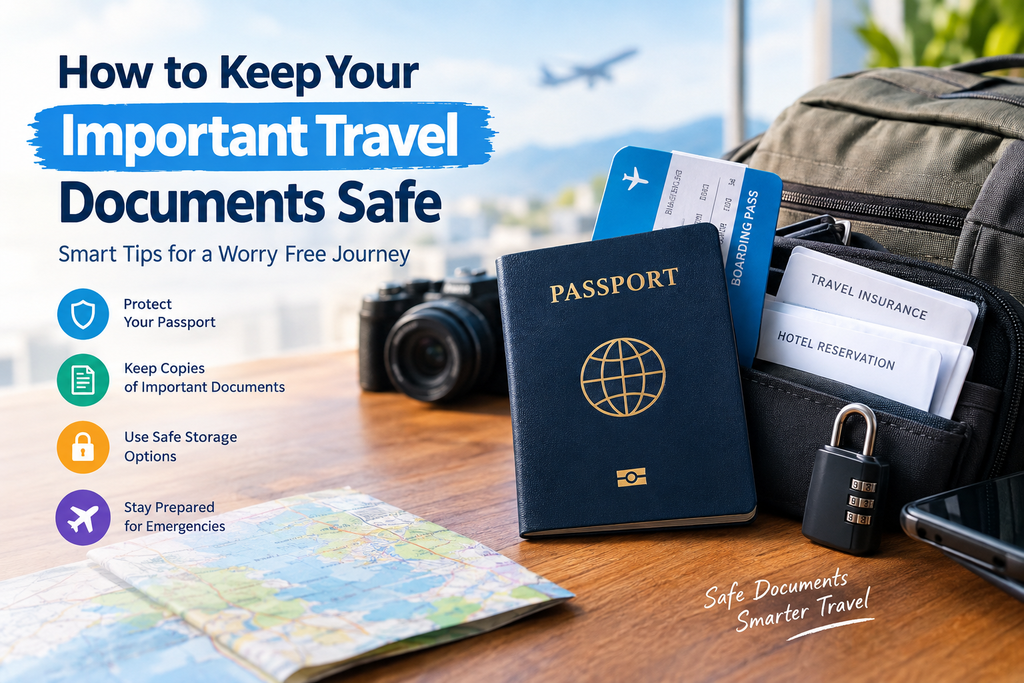
Travel can be exciting, but it also comes with responsibilities that should not be ignored. One of the most important things I always think about before a trip is keeping my important travel documents safe. A lost passport, damaged identification card, missing visa, or misplaced travel insurance document can quickly turn a relaxing trip into a stressful situation.
In my opinion, travel documents should be treated as carefully as money and electronic devices. Before leaving home, I like to organize everything in one secure place and make backup copies of documents that I may need during my journey. A little preparation can save a lot of trouble later.
In this guide, I will share practical tips on how to keep your important travel documents safe, especially if you are a beginner traveler.
Why Travel Documents Are So Important
Travel documents are more than simple pieces of paper. Your passport may be required to enter another country, while visas, identification cards, travel insurance information, hotel confirmations, and transportation tickets can also be important during your journey.
If one of these documents is lost, you may need to spend valuable time contacting authorities, your airline, hotel, insurance provider, or your country’s embassy or consulate.
This is why I believe document safety should be part of every travel preparation checklist. It does not require complicated equipment or expensive products. It mainly requires organization, awareness, and a simple backup plan.
Keep Your Passport in a Secure Place
Your passport is usually one of the most important travel documents you carry. I recommend keeping it somewhere secure but easily accessible when you actually need it.
During airport travel, I prefer keeping my passport in a secure travel wallet or a protected compartment of my personal bag. I avoid placing it in an outside pocket where it can easily fall out or be taken.
Once I arrive at my accommodation, I consider the security of the room before deciding where to keep it. If the accommodation provides a secure safe, it can be useful for storing the passport when I do not need it.
However, I also avoid putting all important documents in exactly the same place. Having some form of backup can be helpful if one bag is lost or stolen.
Make Copies of Important Documents
One of the easiest ways to protect your travel documents is to create copies before your trip.
I recommend making copies of your passport identification page, visa, identification card, travel insurance information, important booking confirmations, and other documents that may be difficult to replace.
You can keep one paper copy separately from the original documents. You can also keep secure digital copies where you can access them when necessary.
The purpose of making copies is not to replace the original document. Instead, copies can provide useful information if the original is lost and you need to contact the appropriate authorities.
Store Digital Copies Securely
Digital backups can be extremely useful when traveling. I like the idea of having important documents available digitally because paper can be damaged, lost, or forgotten.
However, digital storage should also be handled carefully. Avoid leaving sensitive documents openly accessible on a public computer or unsecured device.
Use a trusted cloud storage service with a strong password and account security. You can also keep encrypted copies on a device that you control.
If you store sensitive documents digitally, make sure your phone and other devices are protected with a strong passcode or another reliable security method.
Use a Travel Document Organizer
A travel document organizer can make it much easier to keep everything together. Instead of placing passports, cards, tickets, and papers randomly inside a backpack, you can use separate compartments.
When I organize my travel documents, I prefer having a specific place for each important item. This makes it easier to check whether everything is still with me.
A good organizer can hold your passport, identification cards, boarding information, hotel details, insurance information, and other small documents.
The important thing is not the brand or price of the organizer. The important thing is choosing something practical that helps you stay organized.
Do Not Carry Every Document Everywhere
Another useful travel safety habit is knowing which documents you actually need during each part of your trip.
For example, you may need your passport at the airport or border crossing, but you may not need every booking document while walking around a city.
Carrying every important document everywhere increases the chance of losing something. When possible, keep documents you do not need in a secure location.
At the same time, never leave essential documents somewhere without considering the security of that location.
Be Careful With Your Travel Bag
The way you carry your travel bag also matters. A secure bag can reduce the risk of accidentally losing important documents.
I prefer keeping important documents inside an internal compartment rather than an easily accessible outside pocket. When I am in crowded places, I pay extra attention to my bag.
Airports, train stations, tourist attractions, markets, and busy public transportation areas can be distracting. These are situations where travelers should be particularly careful with passports, wallets, phones, and other valuables.
Keep Emergency Contact Information
Before traveling, I recommend keeping a small list of important emergency contacts.
This list can include your country’s embassy or consulate information, travel insurance provider, bank contact details, accommodation information, and important transportation contacts.
You can keep a paper copy separately from your main documents and also save the information securely on your phone.
This preparation can be very helpful if your phone is lost or your internet connection is unavailable.
Protect Documents From Water and Damage
Travel documents can be damaged by more than theft or loss. Water, food, rain, spills, and rough handling can also cause problems.
A waterproof document pouch can provide an additional layer of protection. I especially find this useful when traveling to places where I expect rain or outdoor activities.
Do not fold passports or official documents unnecessarily. Keep them flat and protected whenever possible.
A small protective pouch can make a big difference because it keeps documents away from liquids and other items inside your luggage.
Be Careful When Sharing Document Information
Another important part of travel document safety is being careful about who gets access to your personal information.
Avoid sending passport copies to unknown people or websites. If a hotel, airline, government office, or another legitimate organization requires information, make sure you understand why it is needed and that you are using the correct official channel.
I also recommend avoiding sensitive document information on public social media. Posting photographs of passports, boarding passes, or identification documents can expose information that should remain private.
Check Your Documents Before Leaving
One simple habit can prevent many problems. Check your important travel documents before leaving each location.
Before leaving a hotel, I recommend checking the safe, drawers, bedside tables, charging areas, and bags.
Before leaving a taxi, train, airport lounge, restaurant, or other location, take a few seconds to check that your important belongings are with you.
This small habit is especially useful because travelers often become distracted while moving between different places.
What to Do If You Lose a Travel Document
Even with good preparation, documents can sometimes be lost. The important thing is not to panic.
If you lose your passport, contact the appropriate local authorities and your country’s embassy or consulate as soon as possible. If a document is stolen, you may also need to make a police report depending on the situation.
Your backup copies can make the process easier because they provide important identification and document information.
If your travel insurance covers document loss, contact your insurance provider and follow their instructions.
Create a Simple Travel Document Checklist
Before every trip, I recommend creating a simple checklist. My checklist would include:
Passport
Visa or entry documents if required
Identification card
Travel insurance information
Flight or transportation details
Hotel reservation information
Emergency contact information
Copies of important documents
Secure digital backups
Bank and payment information
Checking these items before departure can give you greater peace of mind.
Final Thoughts
Learning how to keep your important travel documents safe is one of the simplest ways to make your trip more organized and less stressful. Your passport, identification, visa, insurance details, and other documents should always receive careful attention.
In my experience, the best approach is to combine several simple habits. Keep original documents protected, create backup copies, store digital information securely, use a practical organizer, and check your belongings regularly.
You do not need an expensive travel system to protect your documents. Good organization and a little preparation can go a long way.
When your important documents are secure, you can spend more time enjoying your destination and less time worrying about avoidable problems. Before your next trip, take a few minutes to prepare your travel documents properly. It is a small step that can make your entire journey much easier.