 travelandlearns
Related Articles
Traveling abroad is an exciting experience, but managing money in another country can sometimes feel confusing. Different currencies, unfamiliar prices, foreign transaction fees, and unexpected expenses can quickly affect your travel budget. In my opinion, good money management is one of the most important parts of having a comfortable and stress free trip.
You do not need to avoid spending money completely when traveling. Instead, the goal should be to understand where your money is going and make smart decisions before and during your journey. With a simple travel budget, safe payment methods, and a little planning, you can enjoy your trip without constantly worrying about your finances.
Create a Travel Budget Before You Leave
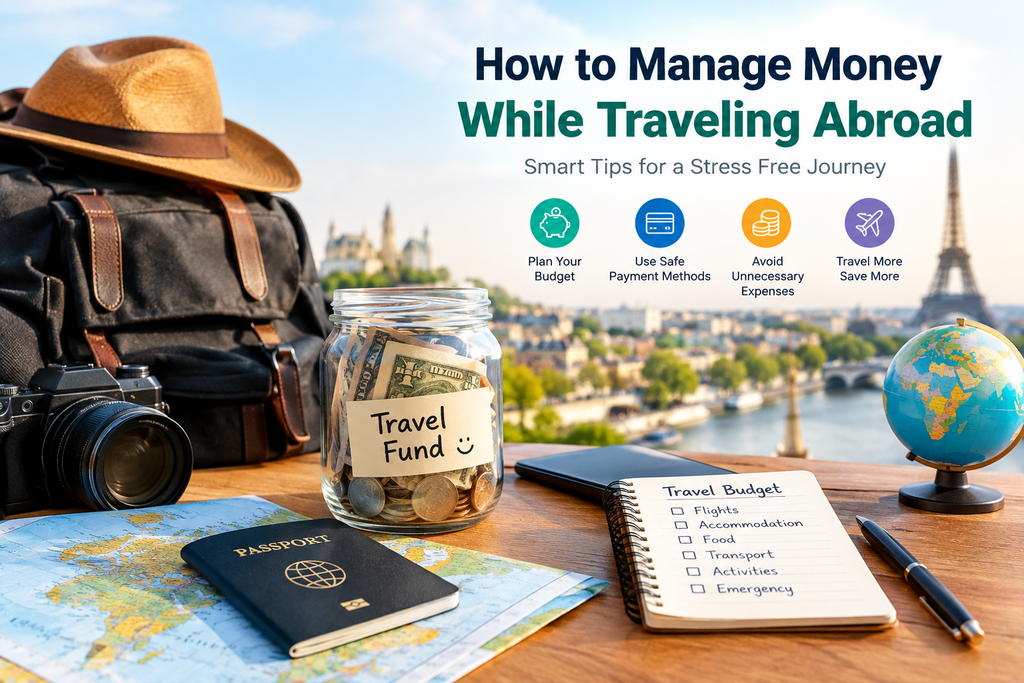
The first step in managing money while traveling abroad is creating a realistic travel budget. Before your trip, estimate how much you can comfortably spend on flights, accommodation, food, transportation, activities, shopping, and emergencies.
I recommend dividing your budget into separate categories instead of keeping everything as one amount. For example, you might have a daily food budget, a transportation budget, and a separate amount for sightseeing.
It is also important to leave some money unplanned. Unexpected costs can happen during any trip. You might need to pay for extra transportation, replace something you lost, or deal with a change in your travel plans.
A small emergency fund can make these situations much easier to handle.
Learn About the Local Currency
Before traveling abroad, learn about the currency used at your destination. Knowing the approximate exchange rate can help you understand prices more easily.
For example, when you see the price of a meal or hotel room, you should be able to quickly estimate how much it costs in your home currency. This can prevent you from spending more than you expected.
I also suggest avoiding the habit of converting every single small purchase in your head. After a few days, you will usually become more comfortable with the local currency.
You can also use a reliable currency conversion app when you need an accurate calculation.
Carry More Than One Payment Method
One of the simplest ways to manage money while traveling abroad is to avoid depending on only one payment method.
I prefer having a combination of payment options. This could include a debit card, a credit card, and a reasonable amount of local cash.
If one card stops working, gets lost, or is temporarily blocked, you still have another option available.
It is also a good idea to keep your payment cards separately. Do not keep every card and all your cash in the same wallet. If your wallet disappears, having another payment option stored safely can be extremely helpful.
Keep Some Local Cash
Cards are convenient, but cash can still be useful when traveling internationally. Small shops, local markets, transportation services, or other businesses may not always accept cards.
I recommend carrying enough local currency for basic daily needs without carrying an unnecessarily large amount of cash.
You should also keep emergency cash in a separate and secure location. This gives you another backup if your main wallet is lost or stolen.
Be Careful With Currency Exchange
Currency exchange can have a noticeable effect on your travel budget. Exchange rates and fees can vary depending on where you exchange your money.
Before exchanging a large amount, check the current rate and understand whether additional fees or commissions apply.
Airport exchange counters can be convenient, but convenience does not always mean you are receiving the most suitable rate. Comparing your available options can help you make a more informed decision.
The important thing is not to exchange large amounts of money without understanding the total cost.
Understand Foreign Transaction Fees
Before leaving your country, check whether your bank or card provider charges foreign transaction fees.
Some cards may charge a percentage every time you make an international purchase. These small charges can become significant when you use your card frequently during a long vacation.
It is also useful to understand ATM withdrawal fees. Your bank and the foreign ATM provider may both charge fees in some situations.
Knowing these costs before your trip can help you choose appropriate payment methods and avoid unnecessary expenses.
Set a Daily Spending Limit
One of my favorite ways to control travel spending is to set a daily spending limit.
Your daily limit can include food, local transportation, entertainment, and small purchases. You do not have to follow it perfectly every day, but it gives you a useful target.
For example, if you spend less than your budget on one day, you may have more flexibility on another day.
This approach is particularly useful during longer trips because small purchases can easily add up without you noticing.
Track Your Expenses
You do not need a complicated spreadsheet to track your travel expenses. A simple notes app or budgeting application can be enough.
At the end of each day, record what you spent on food, transportation, accommodation, activities, and shopping.
I find that tracking expenses makes you more aware of your spending habits. Sometimes a person thinks they are spending mostly on important things, but small snacks, drinks, taxis, and souvenirs can actually consume a large part of the budget.
When you know where your money is going, you can make adjustments before your budget becomes a problem.
Avoid Unnecessary Purchases
Travel destinations often have attractive shops, souvenirs, restaurants, and activities. It can be tempting to buy something simply because you are excited about being somewhere new.
Before making a purchase, ask yourself whether you really want or need it.
This does not mean you should avoid souvenirs or enjoyable experiences. Travel is about creating memories, and spending money on experiences can be part of the fun. The key is making intentional choices rather than spending automatically.
A little self control can make a major difference to your overall travel budget.
Choose Accommodation Carefully
Accommodation is often one of the largest expenses on an international trip. Choosing the right place can help you manage your travel money more effectively.
Do not look only at the room price. Consider the location, transportation costs, included meals, additional fees, and nearby facilities.
A slightly more expensive hotel in a convenient location might sometimes reduce your transportation expenses. On the other hand, a cheaper hotel far from major attractions could cost more once transportation is included.
Always consider the complete cost instead of looking at the basic room price alone.
Plan Your Food Spending
Food can become another major travel expense. Eating at expensive restaurants for every meal can quickly increase your costs.
One practical approach is to combine different types of meals. You might enjoy a nice restaurant occasionally while choosing affordable local food for other meals.
If your accommodation provides a kitchen or breakfast facilities, you may also be able to reduce food expenses.
Trying local food does not always have to be expensive. In many destinations, local markets and small restaurants offer affordable options that can also provide an authentic travel experience.
Be Careful With ATMs
When withdrawing money abroad, use ATMs carefully. Choose reputable machines in safe and well known locations.
Be aware of the exchange rate and any fees shown during the transaction. If an ATM offers currency conversion, read the information carefully before accepting the option.
Your bank may also have specific advice about international ATM use, so checking your account information before traveling can be useful.
Keep Emergency Money Separate
An emergency fund is one of the most important parts of travel money management.
I recommend keeping a separate amount that you do not plan to spend during normal travel days. This money can help if your card stops working, your luggage is delayed, or an unexpected transportation or accommodation expense appears.
The emergency fund should be accessible when necessary but separate from your everyday spending money.
Notify Your Bank Before Traveling
Some banks may monitor international transactions for security reasons. Before leaving, check your bank’s travel and international transaction policies.
Make sure your contact information is updated and that you know how to contact your bank if your card stops working.
It is also helpful to know your card’s emergency support number and keep it somewhere secure.
Be Smart About Travel Shopping
Shopping abroad can be enjoyable, but it can also quickly damage your travel budget.
Before buying expensive items, compare prices and consider whether you actually need them. Remember that your luggage has limited space, and additional baggage costs may apply when returning home.
If you plan to shop, include a shopping category in your original travel budget. This allows you to enjoy shopping without taking money away from accommodation, food, or transportation.
Keep Your Money Secure
Money management is not only about saving money. It is also about protecting the money you already have.
Avoid displaying large amounts of cash in public. Keep your wallet secure and use bags with reliable closures when appropriate.
Do not share your card PIN or banking information with other people. When using public WiFi, be cautious about accessing sensitive financial accounts.
Basic security habits can reduce the risk of financial problems during your trip.
Final Thoughts
Managing money while traveling abroad does not have to be complicated. In my view, the best approach is to plan before leaving, understand your destination’s currency, carry multiple payment options, track your spending, and keep an emergency fund.
You do not need to spend as little as possible to have a great vacation. Instead, focus on spending your money intentionally on the things that matter most to you.
A good travel budget gives you control without taking away the enjoyment of your trip. When your finances are organized, you can spend more time exploring new places, experiencing different cultures, and enjoying your journey with greater peace of mind.