 travelandlearns
Related Articles



Traveling with electronics has become a normal part of modern life. Whether I am going on a short weekend trip or planning a longer international journey, I usually carry a smartphone, laptop, power bank, headphones, charging cables, and sometimes a camera. These devices make travel easier, but they also need extra care because airports, crowded transport, changing weather, and unfamiliar environments can increase the chances of damage.
In my experience, protecting electronics while traveling is not only about buying expensive accessories. It is mostly about packing carefully, keeping devices organized, protecting them from moisture and heat, and paying attention to where I keep them. A few simple habits can prevent expensive repairs and make the entire journey less stressful.
Use a Dedicated Electronics Organizer
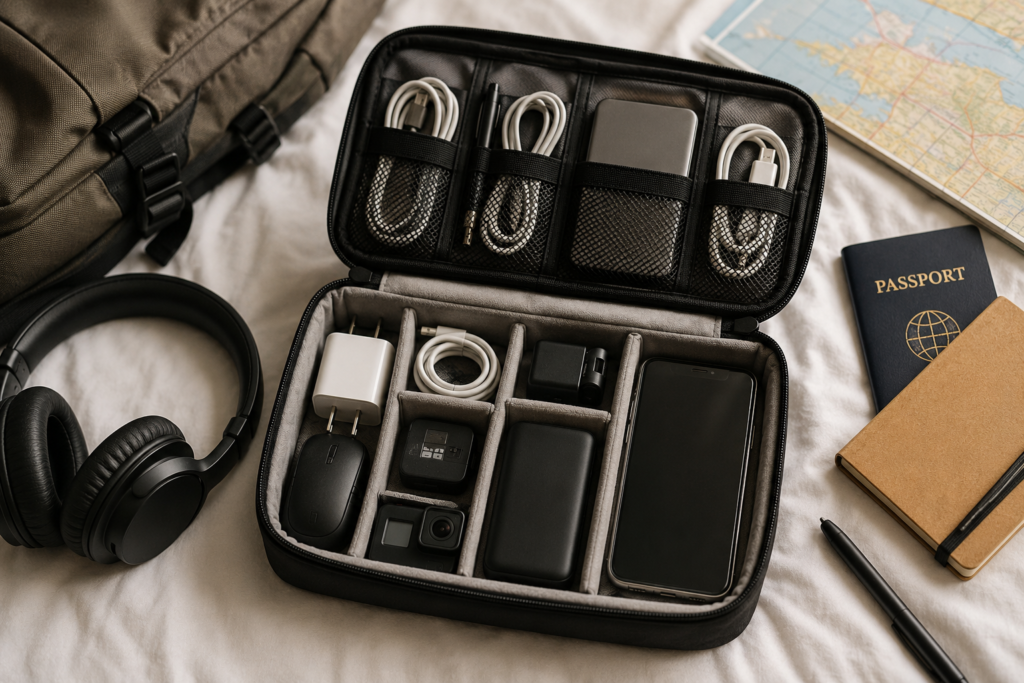
One of the easiest ways to protect travel electronics is to keep them in a dedicated electronics organizer. Instead of putting chargers, cables, memory cards, adapters, and small accessories loosely inside a suitcase, I prefer keeping them together in one protective case.
A good electronics organizer normally has separate compartments for different items. This prevents cables from becoming tangled and keeps small accessories from getting lost. It also adds another layer of protection against pressure and accidental impact.
When choosing an electronics organizer, I recommend looking for one with padded sections, strong zippers, and enough space for your regular travel gadgets. It should be compact enough to carry easily but large enough to prevent devices from being squeezed together.
Protect Your Phone With a Strong Case
Your smartphone is probably one of the most important electronics you carry while traveling. You may use it for navigation, boarding passes, hotel bookings, photography, communication, and payments.
Because you use your phone so frequently during a trip, it can easily slip from your hand or fall onto a hard surface. A good protective phone case can reduce the risk of serious damage.
I prefer a case with raised edges around the screen and camera. A screen protector is also worth considering because scratches can happen surprisingly easily when a phone is placed in a pocket with keys or other objects.
I also recommend avoiding the habit of placing your phone on the edge of tables or chairs while traveling. Small mistakes can quickly turn into expensive repairs.
Keep Electronics Away From Water
Water and electronics are a bad combination. Even devices advertised as water resistant should not be treated as completely waterproof.
Rain, spilled drinks, wet bags, and humid environments can all create problems. When traveling, I like to keep sensitive electronics inside waterproof pouches or sealed bags when there is a possibility of rain or water exposure.
If I am visiting a beach, pool, or destination with frequent rainfall, I take extra precautions. A waterproof pouch can be useful for phones, cables, memory cards, and other small accessories.
It is also important to avoid charging electronics when the charging port is wet. Allow the device and port to dry completely before connecting a charger.
Use Proper Laptop Protection
Laptops are especially vulnerable during travel because they are larger, heavier, and often expensive to replace. A laptop should never be placed loosely inside a suitcase with shoes, books, bottles, or other heavy objects.
I recommend using a padded laptop sleeve even when the laptop is inside a backpack. The extra padding helps protect it from pressure and accidental bumps.
When carrying a laptop in a backpack, I keep it in a dedicated compartment rather than placing it between other items. This gives it some protection from impact and reduces the chance of scratches.
Another useful habit is to avoid overpacking the laptop compartment. If the bag becomes extremely tight, pressure from other items can put unnecessary stress on the laptop.
Organize Charging Cables Carefully
Charging cables are small, but they can cause a lot of frustration during travel. They can become tangled, damaged, or left behind in hotel rooms.
I like to keep each cable neatly coiled and stored in a separate compartment. Avoid wrapping cables extremely tightly because repeated bending in the same area can eventually damage the internal wires.
It is also useful to label similar cables if you carry several. For example, USB C cables can look almost identical even though their capabilities may differ.
Before leaving home, I check that every important device has a suitable charging cable. This simple check can save a lot of trouble when you are far from home.
Be Careful With Power Banks
A power bank is one of my most useful travel accessories because it can keep a phone running when I cannot find an available outlet. However, power banks should be handled carefully.
Always follow the airline and local transportation rules for carrying power banks. In general, spare lithium batteries and power banks are commonly subject to specific airline restrictions, so checking the current rules of your airline before flying is a smart habit.
I keep my power bank protected from keys, coins, and other metal objects that could come into contact with its terminals. I also avoid using a damaged, swollen, or unusually hot power bank.
If a power bank shows physical damage, it is better to stop using it rather than taking a risk.
Protect Electronics From Extreme Temperatures
Extreme temperatures can affect electronic devices and batteries. Leaving a phone, laptop, camera, or power bank in direct sunlight for a long period can cause overheating.
For this reason, I avoid leaving electronics inside a parked vehicle whenever possible. A closed car can become extremely hot, even when the weather outside does not feel unbearable.
Cold temperatures can also affect battery performance. If a device becomes very cold, I prefer allowing it to gradually return to normal temperature before using or charging it.
During outdoor trips, keeping electronics inside a protective bag and away from direct sunlight can make a noticeable difference.
Keep Electronics in Your Carry On
When flying, I prefer keeping important electronics in my carry on rather than placing them inside checked luggage. This gives me much more control over how they are handled.
Laptops, cameras, phones, tablets, and other valuable electronics can be exposed to rough handling when placed in checked baggage. Keeping them with me reduces this risk.
I also keep important charging accessories in my carry on so I can access them during the journey if necessary.
Before traveling, always check the latest baggage and battery rules of your airline because requirements can vary depending on the device and battery type.
Use Surge Protection When Necessary
Electrical systems can vary between destinations, and voltage differences can damage incompatible electronics. Before traveling internationally, I always check the electrical standards of my destination.
A universal travel adapter can be extremely useful, but an adapter only changes the plug shape in many cases. It does not automatically convert voltage.
For devices that are not designed for the local voltage, a suitable voltage converter may be necessary. Before plugging in an unfamiliar device, check the information printed on its charger or power adapter.
Using the correct equipment is much safer than assuming every charger works everywhere.
Back Up Important Data
Protecting electronics is not only about preventing physical damage. Protecting the information stored on those devices is equally important.
Before a trip, I recommend backing up important photos, documents, contacts, and other files. Cloud storage can be useful, while an external storage device can provide another backup option.
If your laptop or phone is lost or damaged, having a backup means you may still be able to recover your important information.
I also recommend enabling device tracking and using a strong password or biometric security. These features can help protect personal information if a device goes missing.
Avoid Leaving Electronics Unattended
Travel environments can be busy and distracting. Airports, train stations, restaurants, hotel lobbies, and tourist attractions are all places where it is easy to lose track of your belongings.
I try to develop a simple habit of checking my surroundings before leaving any location. Before leaving a hotel room, I check the charging area, bedside table, desk, bathroom, and luggage area.
This takes only a few seconds but can prevent the frustrating experience of discovering that a charger, tablet, camera, or phone was left behind.
Keep Small Accessories Together
Memory cards, USB drives, adapters, earbuds, and SIM tools are easy to lose because of their small size.
Instead of placing these items randomly in different pockets, I keep them together in a small accessory pouch. This makes everything easier to find and reduces the chance of accidentally leaving something behind.
For photography trips, I also keep spare memory cards in a protective case. Memory cards may be small, but losing them can mean losing valuable travel photos.
Handle Electronics Carefully at Security Checks
Airport security checks can be another stressful moment for electronics. I prefer organizing my carry on so that devices can be removed easily if required.
Keeping laptops and other larger electronics accessible can make the process smoother. It also reduces the chance of forgetting something after passing through security.
After collecting my belongings, I take a moment to check that I have all my electronics, cables, and accessories before walking away.
Clean Electronics Regularly
Travel can expose electronics to dust, fingerprints, sand, and other debris. Cleaning devices regularly helps keep them in better condition.
I use a soft microfiber cloth for screens and surfaces and avoid using excessive liquid. Charging ports should also be kept free from dust, but sharp objects should not be pushed into them because they can cause damage.
If you are traveling to a sandy destination, extra care is important. Sand particles can enter small openings and scratch screens or damage moving components.
Final Thoughts
Protecting your electronics while traveling does not have to be complicated. In my opinion, the most important thing is developing a few simple habits before and during every trip.
I recommend using protective cases, organizing cables, keeping electronics away from water and extreme temperatures, carrying valuable devices with you, and backing up important data. Checking airline battery rules and destination voltage requirements is also important when traveling internationally.
The goal is not to worry about your electronics throughout the entire journey. Good preparation should actually make travel easier. When everything has its own protective case and place, I can focus more on enjoying the trip instead of constantly wondering whether my devices are safe.
A little preparation before leaving home can save money, protect valuable information, and prevent unnecessary stress. For me, that is what makes protecting electronics while traveling worth the effort.