 travelandlearns
Related Articles


International travel has become much easier because of modern technology. From checking flight information on a smartphone to using digital maps in a new city, electronics can make a trip more comfortable and convenient. However, packing too many gadgets can quickly make your luggage heavy and confusing. That is why I believe it is important to focus on the essential electronics for international travel rather than carrying every device you own.
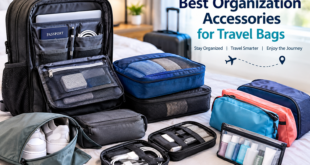
When I prepare for an international trip, I think about the electronics I will actually use during the journey. A smartphone, charger, power bank, travel adapter, headphones, and a few useful accessories can often cover most situations. Depending on the type and length of your trip, you may also need a laptop, camera, smartwatch, or electronic organizer.
In this article, I will share the essential electronics to pack for international travel and explain why each one can be useful.
Smartphone
A smartphone is probably the most important electronic device for international travel. I would not leave home without it because it can replace several different travel tools.
You can use your phone for boarding passes, hotel bookings, maps, translation apps, communication, currency information, photography, and emergency contacts. It can also store digital copies of important travel documents.
Before leaving, I recommend downloading important maps and travel information so you can access them without an internet connection. It is also worth checking whether your phone is unlocked and compatible with the mobile network you plan to use at your destination.
Keeping your phone fully charged before leaving for the airport is another simple habit that can make travel less stressful.
Universal Travel Adapter
A universal travel adapter is one of the most important travel electronics to pack when visiting another country. Electrical outlets are not the same everywhere, so the charger you normally use at home may not fit the socket at your destination.
A universal travel adapter can support different plug types and make it easier to charge your devices in hotels, airports, cafes, and other locations.
When choosing one, I recommend checking which countries it supports and whether it has USB or USB C charging ports. Having several charging options in one compact adapter can reduce the number of separate accessories you need to carry.
One important point is that an adapter changes the plug shape. It does not necessarily convert voltage. Before using certain appliances abroad, always check their voltage requirements.
Power Bank
A power bank can be extremely useful when you are spending long hours away from a hotel or electrical outlet. Airports, train stations, sightseeing locations, and long road journeys do not always provide convenient charging opportunities.
I prefer carrying a reliable power bank that is compact enough to fit inside my personal bag. The capacity you need depends on your devices and travel habits.
For international flights, it is also important to check the current airline rules for carrying power banks. In general, spare lithium batteries and power banks are treated differently from ordinary luggage, so they should be packed according to the airline’s instructions.
A power bank is especially useful when your phone is being used heavily for navigation, photography, and communication.
Phone Charger and Charging Cable
A power bank is not much help if you forget the cable needed to charge your phone. That is why I recommend treating your charger and cable as essential travel electronics.
If possible, carry a good quality cable that supports both charging and data transfer. It is also useful to have a spare cable if you are traveling for a longer period.
USB C has become common across many modern devices, but not every device uses the same connection. Before packing, I check every gadget I am taking and make sure I have the correct cables.
A small cable organizer can also prevent cords from becoming tangled inside your bag.
Noise Canceling Headphones or Earbuds
Long flights can be tiring, especially when the cabin is noisy. Headphones or earbuds can make the journey much more comfortable.
I find noise canceling headphones particularly useful for flights because they can reduce surrounding noise while listening to music, podcasts, or movies. They can also be useful when you simply want some quiet time.
Wireless earbuds are another convenient option because they are small and easy to carry. If you use wireless headphones, remember to charge them before your journey and pack their charging case.
For long trips, I also like having a wired backup if the airline entertainment system requires a cable.
Laptop or Tablet
A laptop is not necessary for every traveler, but it can be essential if you are working while traveling. It can also be useful for longer trips when you need to manage files, emails, bookings, or other tasks.
If you do not need a full laptop, a tablet can provide a lighter alternative. Tablets are useful for reading, watching downloaded movies, browsing travel information, and handling basic work.
My advice is simple: only bring a laptop if you expect to use it. Carrying a heavy computer throughout a vacation when you rarely open it may not be worth the extra weight.
Digital Camera
Modern smartphones have excellent cameras, so many travelers do not need a separate camera. However, photography enthusiasts may still prefer a dedicated digital camera.
A camera can provide greater control over images and may offer better results in certain situations. If you are taking a camera, remember to pack the charger, spare batteries, memory cards, and any other necessary accessories.
I recommend keeping these items together in a small camera pouch. This makes them easier to find and provides some protection from accidental damage.
Smartwatch
A smartwatch can be a useful travel companion, although it is not essential for everyone. It can display notifications, track activity, provide quick access to information, and show the time without requiring you to take your phone out repeatedly.
Some smartwatches also offer travel related features such as boarding pass access, navigation assistance, and contactless payment options depending on the model and destination.
If you take a smartwatch abroad, remember to pack its charging cable or charging dock.
Portable Electronic Organizer
When traveling with several gadgets, an electronic organizer can make a big difference. Instead of putting chargers, memory cards, adapters, and cables into different pockets, you can keep them together.
I personally think this is one of the simplest ways to keep travel electronics organized. A good organizer usually has separate compartments for cables, plugs, small devices, and other accessories.
It also makes security checks and hotel packing easier because all your electronic accessories are stored in one place.
USB C Hub or Multiport Adapter
For travelers who work remotely, a USB C hub can be very useful. Modern laptops often have fewer physical ports than older computers, which can become inconvenient when you need to connect a memory card, USB drive, monitor, or other accessory.
A compact multiport adapter can provide additional connection options without requiring several separate devices.
However, this is only necessary if your work or travel activities require it. For a normal vacation, I would leave it at home.
Portable Bluetooth Speaker
A small Bluetooth speaker can be enjoyable during certain trips. It can be useful in a hotel room, vacation rental, outdoor setting, or private accommodation.
However, I consider it an optional travel electronic rather than an essential one. If your luggage space is limited, headphones are usually more practical because they are smaller and more personal.
Always remember to use speakers responsibly and respect hotel rules and other travelers.
E Reader
If you enjoy reading during flights or vacations, an e reader can be a useful device. It can store many books while taking up very little physical space.
I particularly like the idea of an e reader for long international journeys because it can provide entertainment without requiring a large number of physical books.
Make sure it is fully charged before your flight and download your books in advance so you can continue reading without depending on an internet connection.
Extra Memory Cards and Storage
If you plan to take lots of photos and videos, extra digital storage can be important. Running out of storage in the middle of a trip can be frustrating.
Photographers should consider carrying additional memory cards and, when appropriate, a portable storage device. Keep important files backed up whenever possible.
For personal travel, cloud storage can also be useful if you have reliable internet access.
How to Pack Electronics Safely
Packing electronics requires a little planning. I recommend keeping expensive and important devices in your carry on bag rather than checked luggage.
Use protective cases for fragile items and avoid placing heavy objects directly on top of delicate electronics. Cables should be stored neatly so they do not become damaged or tangled.
It is also a good idea to label chargers and cables if you are traveling with other people. This small step can prevent confusion when several similar cables are being used.
Before leaving home, check that every device is charged and that you have the necessary charger or cable.
Do Not Pack More Electronics Than You Need
One mistake I see travelers make is packing too many gadgets. More electronics mean more cables, chargers, batteries, weight, and things to keep track of.
Before putting a device in your luggage, ask yourself whether you are genuinely going to use it. If your phone can handle a task, you may not need another device for the same purpose.
For most international trips, I would prioritize a smartphone, charger, universal travel adapter, power bank, headphones, and electronic organizer. Everything else should depend on your personal needs.
Final Thoughts
The essential electronics to pack for international travel are the devices that make your journey easier without creating unnecessary weight or clutter. A smartphone keeps you connected, a universal travel adapter solves charging problems, and a power bank provides backup power when you are away from an outlet.
Headphones can make long flights more comfortable, while a laptop, tablet, camera, smartwatch, or e reader can be useful depending on your travel style. The most important thing is to plan before packing and make sure every device has the right charger, cable, and accessories.
From my point of view, smart packing is not about carrying the most technology. It is about carrying the right technology. When you choose your electronics carefully and keep them organized, you can travel with less stress and enjoy the convenience that modern devices provide.