 travelandlearns
Related Articles

Traveling to a new place is exciting, but it can also come with unexpected problems. From losing your wallet to getting overcharged by a taxi driver, small mistakes can sometimes turn a good trip into a stressful experience. In my opinion, most common tourist problems can be avoided with a little preparation, awareness, and common sense.
I have learned that you do not need to plan every minute of a trip to stay safe and comfortable. You simply need to understand the destination, protect your important belongings, and avoid making rushed decisions. In this guide, I will share some practical travel tips that can help you avoid common tourist problems and enjoy your trip with greater peace of mind.
Research Your Destination Before Traveling
One of the easiest ways to avoid tourist problems is to research your destination before leaving home. You do not need to become an expert, but you should know the basics.
Research the local transportation system, popular tourist areas, weather, local customs, currency, and common safety concerns. It is also useful to understand how far your hotel is from the airport or train station.
I also recommend saving the address of your hotel on your phone. If you get lost or your internet stops working, having the address available can make things much easier.
A little research can prevent many unnecessary problems once you arrive.
Keep Your Important Documents Safe
Your passport, identification, travel tickets, money, and other important documents should always be treated carefully.
I prefer keeping my passport in a secure place rather than carrying it loosely in a backpack. When possible, make digital copies of important documents and store them securely.
You should also keep emergency contact information somewhere accessible. If your phone is lost or damaged, having another way to access important information can be extremely helpful.
Never leave your passport or other essential documents unattended in public places.
Avoid Carrying Too Much Cash
Carrying a large amount of cash can create unnecessary risk. If your wallet is lost or stolen, you could lose everything at once.
I think it is better to carry a reasonable amount of local currency and use a secure payment method when appropriate. Keep your cash and cards in separate places rather than putting everything in one wallet.
Before traveling, check which payment methods are commonly accepted at your destination. Some smaller shops and local businesses may still prefer cash.
It is also a good idea to keep a small emergency amount separate from your main wallet.
Learn About Common Tourist Scams
Tourist scams are among the most common problems travelers face. Scams can take many forms, including fake guides, overpriced transportation, dishonest ticket sellers, and people offering unexpected help.
This does not mean you should distrust everyone you meet. Most people are simply going about their daily lives. However, you should be careful when someone approaches you with an unusual offer that seems too good to be true.
Before accepting a service, check the price first. If someone suddenly demands a large payment after providing a service, you may find yourself in an uncomfortable situation.
Learning about common scams before visiting a destination can help you recognize suspicious situations quickly.
Be Careful With Taxis and Transportation
Transportation problems can happen easily when you are unfamiliar with a city.
Before taking a taxi, understand how fares work. If official taxis are available, use reputable services and avoid accepting rides from random people who approach you inside an airport or tourist attraction.
Ride booking apps can sometimes make transportation easier because you can see the estimated price before confirming the trip.
Public transportation can also be a great option, but learn the basic routes and ticket system before using it. Keep your belongings close, especially in crowded stations and buses.
Do Not Display Expensive Items
A simple way to reduce unwanted attention is to avoid displaying expensive belongings in crowded tourist areas.
You do not need to hide your phone or camera completely, but constantly holding expensive electronics in busy places can make you more noticeable.
When taking photos, stay aware of your surroundings. After using your phone, put it away rather than continuing to hold it while walking through crowded streets.
Being aware does not mean being afraid. It simply means paying attention.
Keep Your Phone Charged
A dead phone can become a serious inconvenience when you are traveling.
Your phone may contain your hotel address, maps, tickets, reservations, translation tools, and emergency contacts. Because of this, I recommend keeping it charged throughout the day.
A portable charger can be extremely useful, especially during long sightseeing days.
Before leaving your hotel, check your battery level and make sure you have the information you need available offline when possible.
Be Careful With Public Wi Fi
Free public Wi Fi can be convenient, but I recommend being cautious when using unfamiliar networks.
Avoid entering sensitive information on questionable networks and make sure websites and apps are secure before entering important account details.
If you are using public internet at an airport, hotel, café, or shopping center, confirm that you are connecting to the correct network.
It is also helpful to use mobile data when you need a more reliable connection for important tasks.
Respect Local Customs
One of the best ways to avoid problems while traveling is to respect local culture.
Every destination has its own customs and expectations. Clothing that is perfectly normal in one country may be inappropriate in another location. The same applies to behavior, photography, greetings, and religious sites.
Before visiting a new country, learn a few basic cultural rules. This shows respect and can help you avoid uncomfortable situations.
I believe travelers should remember that they are guests when visiting another country. Being respectful costs nothing and can make your experience much better.
Check Prices Before Buying
Tourists sometimes pay more simply because they do not ask about prices beforehand.
Whether you are buying souvenirs, hiring transportation, ordering food, or booking a local activity, check the price before agreeing.
If the price is not clearly displayed, ask.
This simple habit can prevent unpleasant surprises when the bill arrives.
You should also check whether service charges, taxes, or additional fees are included when relevant.
Do Not Overpack
Packing too much can create more problems than you might expect.
Heavy luggage is difficult to carry, especially when using trains, buses, stairs, and crowded streets. It can also make it harder to keep track of your belongings.
I prefer packing only what I genuinely need and leaving some extra space for things I may purchase during the trip.
Make sure your most important items are easy to access. Keep medications, travel documents, chargers, and other essentials somewhere convenient.
Protect Your Luggage
Lost or stolen luggage can quickly ruin the beginning of a trip.
Use luggage tags with your contact information and make your suitcase easy to recognize. Before checking your luggage, make sure you have everything important in your carry on bag.
I recommend keeping passports, money, medication, important documents, electronics, and other valuable items with you rather than placing them in checked luggage.
You can also take a quick photograph of your suitcase before traveling. This may help identify it if there is a baggage problem.
Be Careful With Food and Water
Trying local food is one of my favorite parts of traveling, but you should still use common sense.
If you are unfamiliar with a restaurant or food stall, look for places that appear clean and busy. A busy restaurant often means that food is being prepared regularly, although it is not a guarantee of safety.
You should also learn whether tap water is considered safe to drink at your destination. If you are unsure, ask your accommodation or a reliable local source.
Do not let fear stop you from trying new foods. Just make sensible choices.
Give Yourself Extra Time
One of the biggest mistakes travelers make is underestimating how long things take.
Traffic, security checks, long lines, unfamiliar transportation systems, and unexpected delays can all affect your schedule.
I prefer arriving early when I have a flight, train, tour, or important reservation.
Giving yourself extra time reduces stress and gives you a chance to handle unexpected problems without panicking.
Keep Emergency Information Handy
Even if you have a carefully planned trip, unexpected situations can happen.
Save important emergency numbers, your accommodation details, travel insurance information, and contact information for your airline or travel provider.
If you are traveling internationally, learn how to contact your country’s embassy or consular services if necessary.
You may never need this information, but having it available can make a difficult situation much easier to manage.
Do Not Trust Every Online Review
Online reviews can be useful when choosing hotels, restaurants, tours, and attractions, but I recommend reading them carefully.
Do not rely on one extremely positive or negative review. Look for patterns across many reviews and pay attention to recent experiences.
Also be careful with social media recommendations that promise secret deals or unbelievable experiences. Some offers may not be as genuine as they appear.
Use several sources when making important travel decisions.
Stay Flexible
Even the best travel plan can change.
A flight may be delayed, a restaurant may be closed, the weather may change, or an attraction may be unexpectedly unavailable.
Instead of allowing one problem to ruin the entire day, try to have a backup plan.
For example, if your outdoor activity is canceled because of rain, have an indoor attraction or local café in mind. Flexibility can turn a disappointing situation into a new part of the adventure.
Final Thoughts
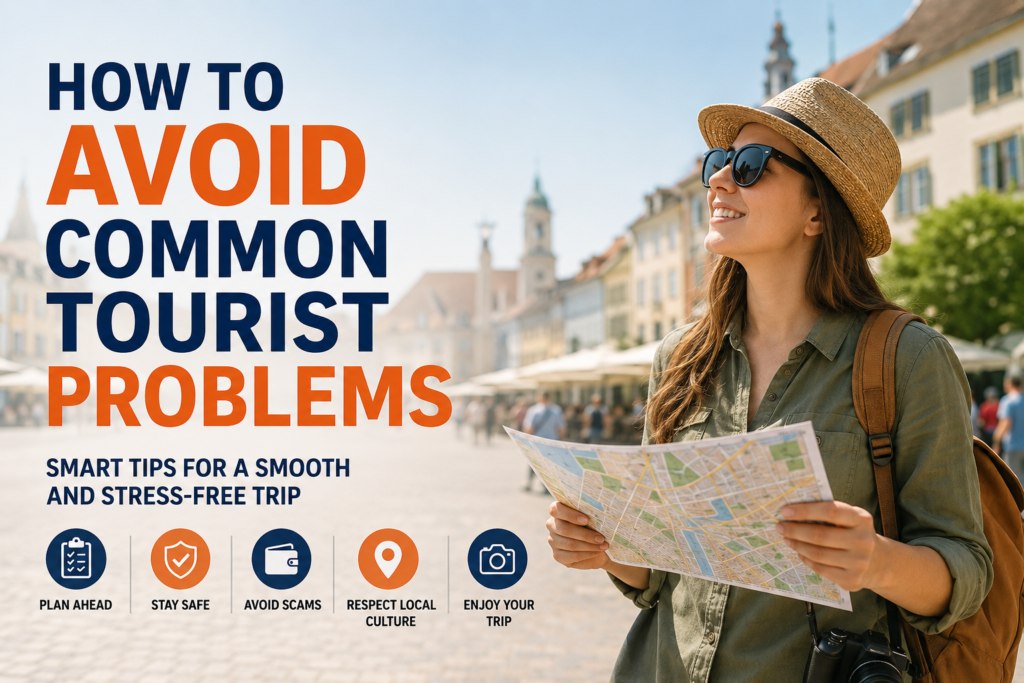
Learning how to avoid common tourist problems is not about being nervous or suspicious during your entire trip. It is about being prepared and paying attention.
Research your destination, protect your documents, keep your phone charged, watch your belongings, check prices before buying, use transportation carefully, and respect local customs. These simple habits can prevent many of the problems travelers commonly experience.
In my opinion, the best travelers are not those who never face problems. They are the ones who know how to handle unexpected situations without letting them ruin the entire journey.
Travel should be enjoyable, educational, and memorable. With a little preparation and common sense, you can avoid many common tourist problems and focus on what really matters: enjoying the places you visit, meeting new people, trying new experiences, and creating memories that you will remember for years.