 travelandlearns
Related Articles

Introduction
Traveling is one of the best experiences anyone can have. Every trip gives us a chance to explore new places, meet different people, enjoy local food, and create unforgettable memories. However, I have learned that a successful trip does not happen by luck. It starts with proper planning. In the beginning, I thought planning was simple. I believed booking a flight and hotel was enough. After making several mistakes, I realized that small planning errors can turn an exciting vacation into a stressful experience.
Over time, I have discovered that avoiding common travel planning mistakes saves both money and time. It also helps me enjoy every moment without unnecessary worries. In this article, I want to share the most common travel planning mistakes that many people make and how I avoid them. If you are planning your next adventure, these tips can help you enjoy a smoother and more enjoyable journey.
Not Setting a Realistic Budget
One of the biggest mistakes I made in my early trips was not creating a proper budget. I focused only on flight tickets and hotel costs while forgetting about transportation, food, shopping, entrance fees, and unexpected expenses.
Now I always prepare a complete travel budget before booking anything. I estimate every possible expense and also keep some extra money for emergencies. Having a realistic budget gives me confidence because I know I can enjoy the trip without worrying about running out of money.
Booking Everything at the Last Minute
Many people think waiting until the last moment will help them find cheaper deals. Sometimes it happens, but most of the time prices become much higher.
I have learned that booking flights and hotels in advance usually gives better prices and more options. Early booking also allows me to choose better seats, better rooms, and convenient travel times. It removes unnecessary stress because everything is already organized before the trip begins.
Ignoring Travel Insurance
For a long time, I believed travel insurance was an unnecessary expense. Then I realized that unexpected situations can happen at any time. Flights may get canceled, luggage can be lost, or medical emergencies may occur.
Travel insurance provides peace of mind. Even if I never need to use it, I know I have financial protection if something goes wrong. Spending a little on insurance can save thousands of dollars during an emergency.
Not Researching the Destination
Every destination has its own culture, weather, transportation system, and local customs. Arriving without basic knowledge can lead to confusion and disappointment.
Before every trip, I spend time researching the destination. I learn about popular attractions, local transportation, weather conditions, safety tips, and cultural etiquette. This simple preparation helps me avoid embarrassing situations and enjoy my trip with confidence.
Packing Too Much
Packing too many clothes and unnecessary items is another mistake I made several times. Carrying heavy luggage makes traveling uncomfortable and often results in extra baggage charges.
Now I only pack what I truly need. I choose clothes that can be mixed and matched, carry essential toiletries, and leave space for souvenirs. Traveling with light luggage makes moving between airports, hotels, and public transport much easier.
Forgetting Important Documents
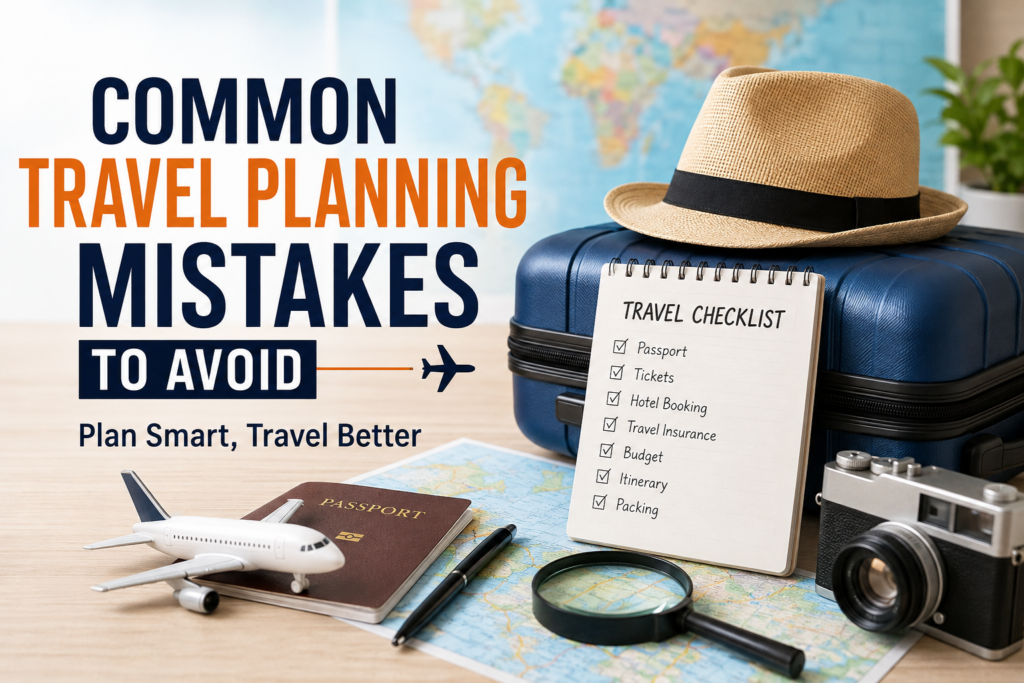
Nothing creates more panic than realizing an important document is missing. Passport, visa, travel insurance papers, hotel confirmations, and flight tickets should always be organized.
I keep both printed and digital copies of all important documents. I also save them on cloud storage so I can access them from anywhere if needed. This simple habit has saved me from unnecessary stress many times.
Ignoring Weather Forecasts
Weather plays a huge role in every trip. I once packed summer clothes for a destination that experienced unexpected cold weather. Buying warm clothes during the trip increased my expenses.
Now I always check the weather forecast a few days before departure. This helps me pack appropriate clothing and plan outdoor activities more effectively.
Creating an Overloaded Itinerary
When I first started traveling, I wanted to visit every famous attraction in just a few days. Instead of enjoying the experience, I spent most of my time rushing from one place to another.
Today I plan fewer activities each day. I leave enough free time for relaxation, unexpected discoveries, and local experiences. A flexible itinerary allows me to enjoy the journey instead of constantly watching the clock.
Not Checking Visa Requirements
Many travelers assume they can enter every country without checking visa rules. Unfortunately, every country has different immigration requirements.
Before booking flights, I always verify visa requirements for my destination. I also check passport validity because some countries require at least six months of remaining validity. This prevents last minute surprises that could ruin the entire trip.
Ignoring Local Transportation
Transportation can become confusing if you do not research it before arriving.
I always learn about buses, trains, taxis, ride sharing services, and metro systems before reaching my destination. Downloading transportation apps in advance also saves time and helps me avoid expensive taxi fares.
Exchanging Money at the Airport
Airport currency exchange counters often offer poor exchange rates. I made this mistake once and lost a noticeable amount of money.
Now I compare exchange rates before traveling. Sometimes I exchange a small amount before departure and withdraw local currency from trusted ATMs after arrival. This helps me save money throughout the trip.
Depending Only on Internet Access
Many travelers assume they will always have internet access. Unfortunately, this is not always true.
I download offline maps, hotel information, booking confirmations, and translation apps before leaving home. Even without internet, I can still find my destination and access important information.
Forgetting Emergency Contacts
During travel, emergencies can happen unexpectedly. It is important to know who to contact.
I save emergency phone numbers, embassy contact details, hotel information, and family contacts in both my phone and a small notebook. Having these details available provides extra security during the trip.
Not Informing the Bank
Using credit or debit cards in another country without informing the bank may result in blocked transactions.
Before every international trip, I notify my bank about my travel dates and destinations. This simple step prevents payment issues and allows me to use my cards without interruption.
Ignoring Health Precautions
Health should never be ignored while traveling. Some destinations require vaccinations or have different health recommendations.
I carry a small first aid kit with basic medicines for headaches, stomach problems, allergies, and minor injuries. Drinking clean water and maintaining good hygiene also help me stay healthy during the journey.
Spending Too Much on the First Day
I have noticed that many travelers become overly excited after arriving and spend too much money immediately.
Now I control my spending from the beginning. I compare prices before buying souvenirs, choose local restaurants instead of tourist traps, and keep track of my daily expenses. This allows me to enjoy the entire trip without financial pressure.
Not Respecting Local Culture
Every destination has unique traditions and customs. Ignoring them may unintentionally offend local people.
I always try to learn basic local etiquette before traveling. Respecting dress codes, greeting people politely, and understanding cultural traditions create positive experiences and meaningful interactions.
Forgetting to Leave Time for Rest
Many people think every minute of vacation should be filled with activities. I used to believe the same.
Eventually I realized that travel should also include relaxation. Taking breaks allows me to appreciate the destination, enjoy local cafes, watch beautiful sunsets, and simply experience the atmosphere. These peaceful moments often become my favorite travel memories.
Conclusion
Travel planning does not need to be complicated, but it does require careful attention. Most travel problems happen because of simple mistakes that could easily be avoided with proper preparation. I have personally learned that spending extra time planning before departure makes every trip more enjoyable and less stressful.
Now I always create a realistic budget, research my destination, book early, pack wisely, organize important documents, and keep my itinerary flexible. These habits have improved every journey I have taken.
No trip will ever be completely perfect because unexpected situations are part of every adventure. However, avoiding these common travel planning mistakes gives you the best chance to enjoy your vacation from beginning to end. Every journey becomes more memorable when you are prepared, confident, and ready to embrace new experiences without unnecessary stress.