 travelandlearns
Related Articles



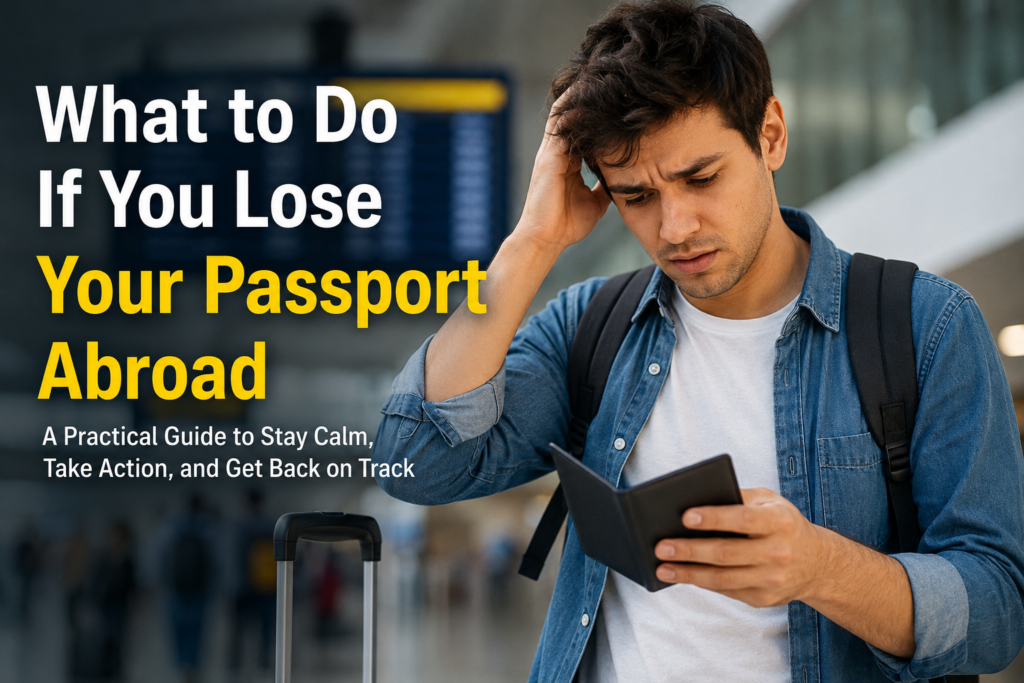
Losing your passport while traveling abroad is one of those situations that can turn a great trip into a stressful experience within minutes. Your passport is one of the most important documents you carry, so it is completely normal to feel worried when you cannot find it.
From my point of view, the most important thing is to stay calm and take action quickly. Losing a passport does not necessarily mean that your entire trip is over. There are established steps travelers can follow to report the loss, contact their embassy or consulate, arrange replacement travel documents, and continue their journey.
In this guide, I will explain what to do if you lose your passport abroad and how you can make the process easier.
Stay Calm and Search Carefully
The first thing I would do after realizing my passport is missing is stop and think about where I last used it.
Before reporting it as lost, check your hotel room, backpack, luggage, wallet, jacket pockets, airport documents, transportation, and any place where you recently showed your passport.
Sometimes travelers believe their passport has been stolen when it has simply been placed somewhere unusual.
Take a few minutes to search carefully. If you are at an airport, hotel, restaurant, train station, or another business, ask the staff if a lost item has been handed in.
However, do not spend hours searching if you have strong reasons to believe the passport was stolen or permanently lost. In that situation, move on to the next steps.
Report the Lost Passport
Once you are reasonably certain that your passport is gone, report the loss to the appropriate local authorities.
If you believe it was stolen, contacting the local police can be particularly useful. Ask for a copy of the police report or an official reference number if one is available.
The report may be useful when dealing with your embassy, insurance provider, airline, or other organizations.
Explain clearly when and where you last had your passport and provide any information you remember. If other belongings were stolen at the same time, mention those items as well.
Keep the police report somewhere safe because you may need it later during the replacement process.
Contact Your Embassy or Consulate
After reporting the loss, contact your country’s embassy or consulate in the country where you are traveling.
This is one of the most important steps when you lose your passport abroad.
The embassy or consulate can explain the current process for replacing your passport or obtaining an emergency travel document. Requirements can vary depending on your nationality, destination, circumstances, and the type of travel document you need.
Do not rely on advice from random people online when dealing with an important document like a passport. Use official government and embassy information whenever possible.
If you are not sure where your nearest diplomatic mission is located, check your government’s official website for current contact information.
Prepare Proof of Your Identity
Replacing a lost passport usually requires you to prove your identity and nationality.
This is why keeping copies of important travel documents before a trip can be extremely helpful.
Useful documents may include a copy of your lost passport, national identity document, driver’s license, birth certificate, or other accepted identification. Requirements vary, so check with your embassy or consulate before visiting.
If you have digital copies stored securely, they may help you provide important information more quickly.
I personally think keeping a secure digital backup of your passport information is one of the simplest travel preparation habits. It can save a lot of time when something goes wrong.
Bring Passport Photos If Required
Your embassy or consulate may require passport photographs for a replacement passport or emergency travel document.
Photo requirements can vary, so check the instructions provided by your government or diplomatic mission.
If you do not already have suitable photographs, ask the embassy where you can get them locally. Many major cities have professional photo shops that understand passport photo requirements.
Do not assume that any random photograph will be accepted.
Check Your Travel Insurance
If you have travel insurance, review your policy as soon as possible.
Some travel insurance policies may provide assistance or cover certain costs related to lost or stolen travel documents. Coverage varies significantly between policies, so do not assume that every expense will automatically be reimbursed.
Contact your insurance provider and explain what happened.
Keep copies of police reports, receipts, embassy documents, transportation expenses, and other relevant paperwork. These records may be useful if you need to make a claim.
Contact Your Airline
If you have a flight coming up soon, contact the airline after speaking with the relevant authorities.
A replacement passport or emergency travel document may have different requirements depending on your destination and transit countries.
The airline can tell you what travel documentation it expects, but immigration and passport authorities have the final say on entry requirements.
This is especially important if your journey includes connecting flights through another country.
Do not assume that an emergency travel document will automatically be accepted everywhere. Confirm the requirements for every country on your route.
Understand Emergency Travel Documents
In some situations, your government may issue an emergency travel document instead of immediately replacing your regular passport.
An emergency travel document is generally intended to help eligible citizens travel when they do not have access to a valid passport.
The exact rules, validity period, destinations, and permitted uses vary by country.
Some documents may allow you to return home, while others may have specific restrictions.
That is why it is important to explain your travel plans clearly to the embassy or consulate. Tell them your destination, planned departure date, connecting countries, and any other relevant details.
Do Not Buy a New Ticket Too Quickly
One mistake travelers can make is immediately purchasing a new flight without understanding what documentation they will have when traveling.
If your passport has been lost and you need a replacement document, your original travel plans may need to change.
Before spending more money on flights, speak with your embassy or consulate and check with your airline.
If your travel insurance includes assistance for document loss, contact the insurer as well.
You may be able to avoid unnecessary expenses by understanding the replacement process first.
Protect Your Other Documents
When your passport disappears, take a moment to check whether anything else is missing.
Look at your wallet, credit cards, identity documents, travel permits, and other important papers.
If your passport was stolen along with bank cards, contact your bank or card provider immediately.
If your phone was also stolen, secure your important accounts and consider changing passwords from a safe device.
Losing several documents at once can create additional problems, so it is important to protect whatever remains.
Keep Important Information Secure
When traveling, I recommend keeping copies of important documents in more than one secure location.
You might keep one encrypted digital copy in a secure cloud account and another copy somewhere accessible offline.
You can also keep a separate written record of important contact information, including your bank, travel insurance provider, airline, and embassy.
The goal is not to carry every document everywhere. Instead, it is to make sure that you can access essential information if your original documents disappear.
Avoid sharing passport copies publicly or sending sensitive information to unknown people.
Be Careful With Scams
Unfortunately, stressful situations can make travelers easier targets for scams.
If you lose your passport abroad, you may receive offers from people claiming they can quickly arrange a replacement for a large amount of money.
Be cautious.
Your embassy or consulate should be your primary source of information about replacing your passport or obtaining an emergency travel document.
Avoid giving passport information, identity documents, or money to unofficial individuals who promise special treatment.
If someone contacts you unexpectedly and claims to represent an embassy, verify their identity through official contact details.
Check Your Visa Situation
Losing your passport can also create questions about visas and immigration records.
If you had a valid visa, residence permit, entry stamp, or other immigration document connected to the lost passport, tell the embassy and local immigration authorities.
Do not assume that your visa automatically transfers to a replacement passport.
The rules can differ depending on the country and type of visa.
If you are staying abroad for an extended period, this issue becomes even more important. Get official advice before attempting to leave or reenter a country.
What If You Lose Your Passport at the Airport?
If you realize your passport is missing at an airport, contact airport staff immediately.
Retrace your steps and check with the airport’s lost and found department.
If you are already past security or immigration, ask an airport employee where you should report the problem.
If your flight is about to depart, do not simply ignore the situation. Speak with airline staff and explain what happened.
You may need to miss the flight while arranging the correct documentation, but it is better than creating a much bigger immigration problem.
What If Your Passport Is Stolen?
A stolen passport should be treated seriously.
Report the theft to local police and contact your embassy or consulate as soon as possible.
Your government may need to cancel the lost passport to prevent unauthorized use.
Keep the police report and any other official documentation you receive.
Also check your belongings carefully. If your wallet, phone, bank cards, or identification documents were stolen with your passport, take steps to secure those accounts immediately.
How to Prevent Passport Problems in the Future
After dealing with a lost passport, I think the best lesson is prevention.
Use a secure travel wallet or document pouch when appropriate. Avoid leaving your passport unattended in restaurants, public transportation, or hotel common areas.
When a hotel or other service provider needs to see your passport, collect it immediately after the required process is complete.
Before leaving a hotel room, quickly check your important documents along with your phone, wallet, and keys.
It is also useful to make secure copies of your passport information before traveling.
Final Thoughts
Losing your passport abroad can be frightening, but it does not mean that your trip has to completely fall apart.
The most important steps are to stay calm, search carefully, report the loss when appropriate, contact your embassy or consulate, gather proof of identity, communicate with your airline, and check your travel insurance.
Do not rely on unofficial promises or random online advice when dealing with passport replacement. Follow instructions from your government, embassy, immigration authorities, and airline.
From my point of view, the best way to handle a passport emergency is to prepare before it happens. Keep secure copies of important documents, know where to find your embassy’s contact information, and keep important travel details organized.
A lost passport is a serious inconvenience, but with the right steps and a calm approach, you can work through the situation and get back to your travel plans.