 travelandlearns
Related Articles



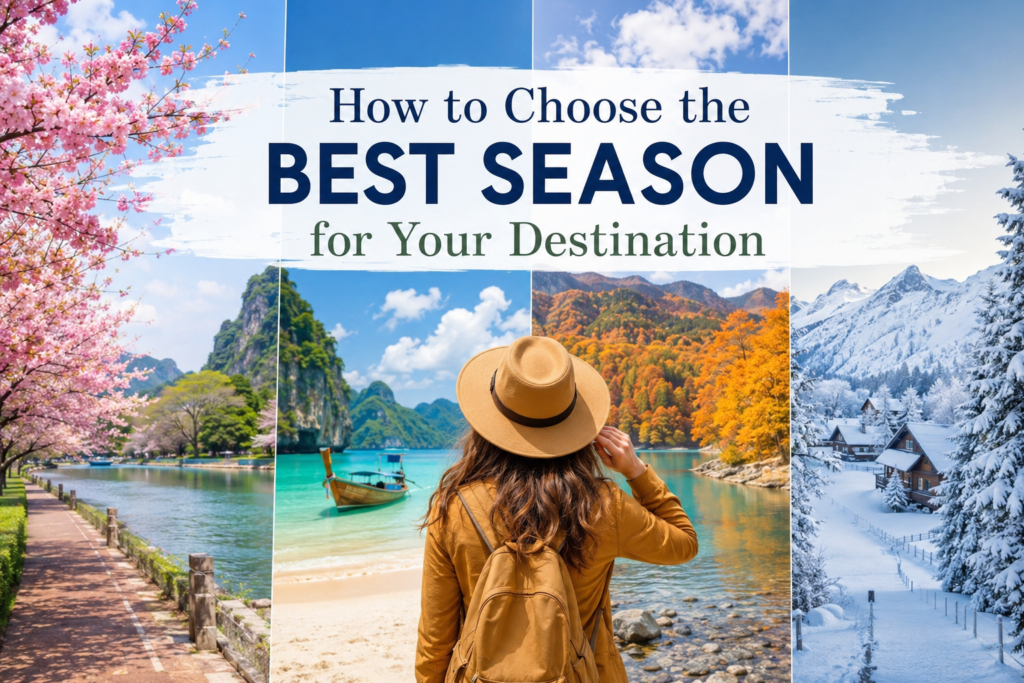
Choosing the best season for your destination can completely change the way you experience a trip. The same place can feel peaceful and beautiful during one season, crowded and expensive during another, and completely different when the weather changes. In my opinion, choosing the right travel season is just as important as choosing the destination itself.
When I plan a trip, I do not simply look at beautiful pictures or popular travel months. I think about the weather, activities, crowds, prices, local events, and the kind of experience I actually want. A destination may be famous for summer vacations, but that does not always mean summer is the best time for every traveler.
If you are wondering how to choose the best season for your destination, there are several simple factors that can help you make a better decision.
Understand the Weather Before You Travel
The first thing I consider when choosing the best travel season is the weather. Weather can have a major impact on your entire trip, especially if you are planning outdoor activities.
Some destinations are best visited during warm and sunny months, while others are more enjoyable during cooler seasons. Beach destinations usually attract travelers during sunny weather, while mountain destinations can offer completely different experiences in summer and winter.
It is also important to understand that weather can vary from one region to another. A country may have pleasant weather in one area while another region is experiencing heavy rain or extreme temperatures.
Before booking your trip, check the typical weather conditions for the destination during the months you are considering. Think about temperature, rainfall, humidity, snow, and wind. This will help you avoid unpleasant surprises.
Consider the Purpose of Your Trip
Your reason for traveling should also influence the season you choose. In my experience, there is no single best season for every destination because every traveler has different expectations.
If your main goal is relaxing on a beach, you will probably prefer warm and sunny weather. If you want to explore cities, walk through historic streets, visit museums, and enjoy local food, mild weather may be more comfortable.
Adventure travelers should pay special attention to seasonal conditions. Hiking, camping, skiing, wildlife viewing, and water sports often depend heavily on weather and natural conditions.
For example, someone planning a mountain hiking trip may prefer spring or autumn because temperatures can be more comfortable than during the hottest part of summer.
Research the Peak Tourist Season
Peak season is another important factor when choosing the best season for your destination. Peak season usually means that more tourists are visiting, hotels can become more expensive, and popular attractions may be crowded.
There are advantages to traveling during peak season. The weather may be ideal, more attractions may be open, and transportation options can be easier to find. Some destinations also organize their biggest festivals and events during their busiest months.
However, I personally think travelers should not automatically choose peak season just because it is popular.
If you prefer a quieter experience, consider traveling during the shoulder season. This is the period between peak and off season. You can often enjoy pleasant weather, fewer crowds, and better accommodation prices.
Look at the Cost of Traveling
Your travel budget should always be part of your seasonal planning. Flights, hotels, restaurants, and activities can become more expensive when demand is high.
During the busiest travel periods, accommodation prices can rise significantly. Popular hotels may also sell out quickly. If you have a limited budget, traveling during the off season or shoulder season can sometimes give you better value.
One of the things I like about traveling outside peak season is that I can sometimes spend less money while enjoying a more relaxed experience. Instead of paying a premium for a hotel in the busiest month, you may find a comfortable place at a much lower price during a quieter period.
Before booking, compare prices across several months rather than looking at only one date.
Think About Local Events and Festivals
Local events can make a destination much more exciting. Festivals, cultural celebrations, food events, concerts, and traditional holidays can give travelers an opportunity to experience local culture in a special way.
If you are interested in a particular event, your travel dates should be based around it. Research the destination’s annual calendar and find out when major events take place.
However, remember that popular festivals can also bring large crowds and higher prices. If you want to attend a major event, booking accommodation and transportation early can make your trip easier.
On the other hand, if you prefer peace and quiet, you may want to avoid dates when large events are happening.
Check Seasonal Activities
The best season for travel often depends on what you want to do after arriving. This is especially important for nature and adventure destinations.
For example, skiing destinations are obviously more suitable during the colder months. Hiking destinations may be more comfortable during spring, summer, or autumn depending on the location. Wildlife experiences can also change throughout the year because animals may migrate, reproduce, or become more active during particular seasons.
Beach destinations can have excellent conditions during certain months but unpleasant weather during rainy or storm seasons.
Before choosing your travel dates, make a list of the activities you want to enjoy. Then check which season provides the best conditions for those activities.
Consider the Crowds
Crowds can completely change your travel experience. A famous attraction may look peaceful in photographs, but it can feel very different when thousands of visitors arrive at the same time.
If you enjoy taking your time, photographing places, walking through quiet streets, and exploring without long queues, consider visiting during a less crowded season.
Traveling during shoulder season can be a great compromise. You may still experience reasonably good weather while avoiding some of the crowds associated with peak season.
For me, a quieter destination often feels more enjoyable because I can experience the place at my own pace instead of constantly worrying about queues and crowded attractions.
Learn About the Rainy and Dry Seasons
For many international destinations, understanding rainy and dry seasons is essential. Rain does not necessarily mean that you should avoid a destination, but it can affect your plans.
Some rainy seasons involve short afternoon showers followed by beautiful weather. Other destinations can experience continuous rain, storms, flooding, or difficult road conditions.
If outdoor activities are the main reason for your trip, research the rainfall patterns carefully.
Sometimes traveling just before or after the rainy season can provide a good balance between weather, prices, and crowds.
Think About Daylight Hours
Daylight is something travelers often overlook when choosing the best season for a destination. However, it can make a big difference.
Long summer days can give you more time to explore outdoor attractions. You may be able to visit several places in one day and enjoy evening walks without darkness arriving early.
Winter can bring shorter days in many destinations. This does not necessarily make winter travel bad, especially if you enjoy winter scenery, cozy cafés, museums, or seasonal activities. It simply means you should plan your daily schedule carefully.
If photography and sightseeing are important to you, daylight hours should definitely be part of your planning process.
Consider Your Personal Weather Preference
There is no point choosing a season that is considered perfect by other travelers if you personally dislike the weather.
Some people love hot summer temperatures, while others feel uncomfortable in extreme heat. Some travelers enjoy cold weather and snow, while others prefer mild temperatures.
Think honestly about your comfort level. Do you enjoy walking outside in hot weather? Are you comfortable traveling during rain? Do you enjoy snowy landscapes? Your answers can help you choose the best travel season for your personal preferences.
A good vacation should feel enjoyable, not like a test of endurance.
Compare More Than One Season
One of my favorite ways to choose the best season for a destination is to compare at least three different periods before making a decision.
Look at the weather, prices, crowds, activities, and local events for each period. You may discover that your first choice is not actually the best option.
For example, peak summer might offer perfect beach weather, but early autumn could provide slightly cooler temperatures, fewer tourists, and lower hotel prices. In that situation, autumn may offer a better overall experience.
The best season is often the one that gives you the right balance rather than the one with perfect conditions in only one category.
Do Not Ignore Travel Advisories and Local Conditions
Seasonal travel planning should also include checking current local conditions before departure. Weather patterns can change, and unusual storms, heat waves, wildfires, or other local situations can affect travel.
Check reliable weather information and official travel guidance close to your departure date. This is especially important if you are traveling to remote areas or planning outdoor adventures.
Good preparation does not mean expecting problems. It simply gives you more confidence and helps you make smarter decisions.
Final Thoughts
Choosing the best season for your destination is about finding the right match between the place, your plans, your budget, and your personal preferences. There is rarely one perfect answer for everyone.
I believe the best approach is to look beyond the usual popular travel months. Research the weather, compare prices, consider crowds, check seasonal activities, and find out what local events are happening. Most importantly, think about what you want from your trip.
Sometimes the most memorable vacation is not the one taken during the busiest or most famous season. It can be the trip you take when the weather feels comfortable, the streets are less crowded, prices are reasonable, and you have enough time to enjoy every moment.
With a little research and flexible planning, you can choose the best travel season for almost any destination and make your vacation more comfortable, affordable, and memorable.