 travelandlearns
Related Articles


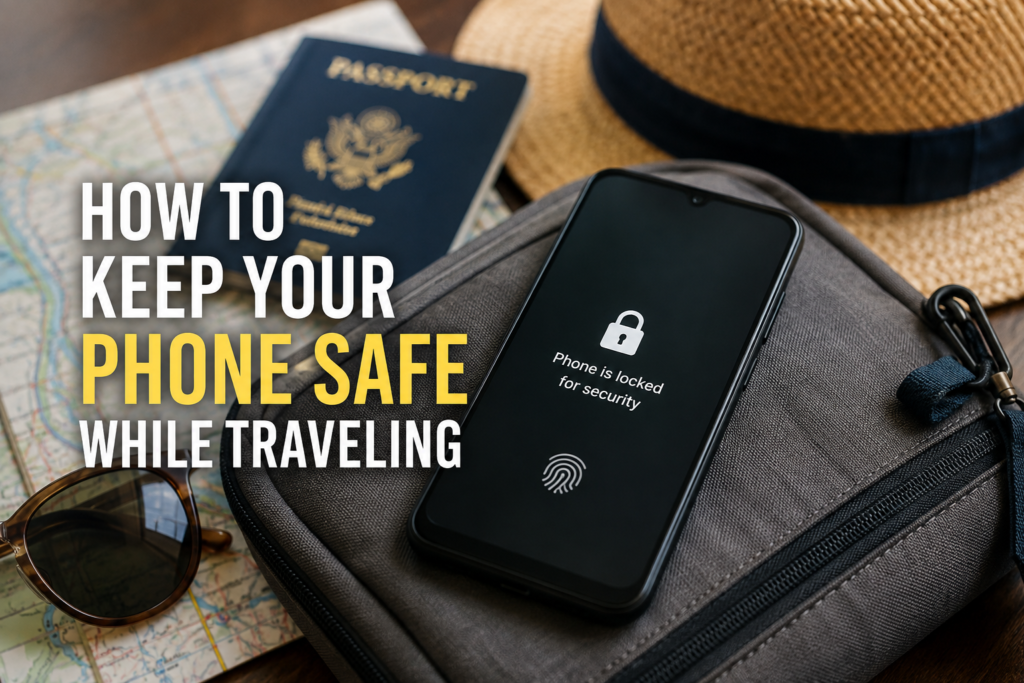
Traveling is one of the best ways to create new memories, explore different places, and enjoy experiences outside your normal routine. During almost every trip, my phone becomes one of my most useful travel companions. I use it for maps, bookings, photos, communication, payments, and keeping important travel information. Because of that, keeping my phone safe while traveling is something I take seriously.
A lost or stolen phone can create much more trouble than simply losing an expensive device. It can give someone access to personal photos, messages, emails, social media accounts, travel bookings, and sometimes financial information. The good news is that a few simple habits can make a big difference.
In this guide, I will share practical tips on how to keep your phone safe while traveling, based on simple precautions that any traveler can follow.
Use a Strong Screen Lock
The first thing I recommend is using a strong screen lock. A phone without proper protection can become a serious privacy risk if it gets lost or stolen.
I prefer using a fingerprint or face unlock together with a strong PIN or password. Avoid simple PINs such as 1234, your birth year, or other numbers that someone could easily guess.
Your screen lock is the first layer of protection between your personal information and another person. Even if someone physically gets your phone, a strong lock can make it much harder for them to access your data.
Before traveling, check your phone security settings and make sure automatic locking is enabled. I also recommend keeping the automatic lock time reasonably short so your phone does not remain unlocked when you are not using it.
Turn On Find My Phone
One of the most useful security features on a modern smartphone is its location tracking and device recovery service. Make sure this feature is enabled before leaving home.
For iPhone users, Apple’s Find My feature can help locate a missing device. Android users can use Google’s device finding features to locate, secure, or manage a lost phone.
I always recommend checking this before a trip instead of waiting until the phone disappears. It is also a good idea to understand how the feature works and make sure you can access your account from another device if necessary.
If your phone is lost, being able to locate or secure it quickly can make a major difference.
Back Up Your Important Data
Keeping your phone physically safe is important, but protecting the information stored on it is equally important.
Before traveling, I make sure important photos, contacts, documents, and other valuable information are backed up. Cloud backup can be particularly helpful because you do not need your phone in your hands to recover your information.
A backup also protects you from accidental damage. Phones can fall, get wet, stop working, or become damaged during a trip. If everything important is backed up, losing the device does not necessarily mean losing your memories and important files.
Before departure, check when your last backup was completed and make sure the backup account is working correctly.
Be Careful With Public WiFi
Free WiFi can be extremely convenient while traveling. Airports, hotels, cafes, restaurants, and shopping centers often provide public internet access. However, I avoid treating every public network as completely trustworthy.
Before connecting, check the network name carefully. Criminals can sometimes create networks with names that look similar to legitimate ones.
I also avoid entering sensitive information on unfamiliar networks whenever possible. If I need to access banking or other important accounts, I prefer using mobile data or a trusted network.
If you regularly travel and use public WiFi, consider using a reputable VPN service and keep your phone’s security settings updated.
Keep Your Phone Close in Crowded Places
Crowded tourist areas can be exciting, but they are also places where travelers need to pay extra attention to their belongings.
When walking through busy markets, public transportation stations, festivals, or tourist attractions, I keep my phone in a secure pocket or inside a closed bag. I avoid putting it in an easily accessible back pocket.
I also try not to walk around with my phone held loosely in my hand when I am not actively using it. A few seconds of distraction can sometimes be enough for someone to grab a phone.
The main idea is simple. Your phone should be easy for you to access but difficult for someone else to take.
Use a Secure Phone Case
A good phone case can protect your device from accidental drops and scratches. This becomes especially important when traveling because you are often moving between unfamiliar places.
I prefer a case with enough protection around the corners and edges. A screen protector is also useful because replacing a cracked screen while traveling can be expensive and inconvenient.
A protective case may not look like an important travel accessory, but it can save you from a lot of trouble if your phone slips from your hand.
Avoid Showing Your Phone Unnecessarily
Another habit that I find useful is avoiding unnecessary attention to my phone. When visiting unfamiliar places, I try not to stand in crowded areas while holding an expensive smartphone in an obvious way.
This does not mean you should be afraid to use your phone. Smartphones are extremely useful for navigation and photography. I simply try to be aware of my surroundings.
If I need to check a map, I step into a safer area when possible. If I want to take photos, I keep a firm grip on the device and pay attention to what is happening around me.
Being aware is often one of the easiest ways to reduce risk.
Keep Your Software Updated
Before traveling, I check for operating system and app updates. Security updates can fix vulnerabilities and improve the overall protection of your device.
I also remove apps that I no longer use. Every unnecessary application can create additional privacy or security concerns, especially if it has access to your location, contacts, photos, microphone, or other information.
Take a few minutes before your trip to review your installed apps and permissions. Only give an application access to information it genuinely needs.
Protect Your Accounts
Your phone may contain access to many important accounts. Email, social media, cloud storage, shopping accounts, and financial applications can all be connected to your device.
For this reason, I recommend enabling two factor authentication whenever it is available. This provides another layer of protection if someone somehow obtains your password.
It is also wise to use different passwords for important accounts. If one password is exposed, using the same password everywhere can put several accounts at risk.
A password manager can make it easier to create and manage strong passwords without having to remember every one manually.
Be Careful When Charging Your Phone
Keeping your phone charged is essential when traveling because you may need it for maps, communication, tickets, reservations, or emergencies.
I prefer carrying my own charger and charging cable rather than relying on unfamiliar charging equipment. A personal power bank is also useful, especially during long travel days.
When using public charging stations, I am careful about connecting my phone to unfamiliar devices. Carrying your own power adapter or a power bank gives you more control over how your phone is charged.
Do Not Store Everything on Your Phone
Your phone may contain travel documents, boarding passes, hotel details, identification information, and personal photographs. While digital storage is convenient, I do not recommend relying entirely on one device.
For important travel information, keep a backup somewhere secure. For example, you can store important documents in a trusted cloud account and keep essential information available offline.
Having a backup plan means you are less likely to panic if your phone becomes unavailable.
Take Extra Care When Taking Photos
Taking photos is one of my favorite parts of traveling, but it is easy to become distracted while trying to capture the perfect picture.
When taking photos near roads, water, crowded viewpoints, or busy streets, I pay attention to my surroundings rather than focusing only on the screen.
I also avoid placing my phone on tables, walls, benches, or other public surfaces where I might forget it. When I finish taking a photo, I put the phone back into a secure place.
Small habits like this can prevent surprisingly common accidents.
What to Do If Your Phone Is Lost or Stolen
Even with good preparation, accidents can happen. If your phone disappears, act quickly.
First, try using your phone’s device location service. If the phone appears to be nearby, you may be able to locate it. If you believe it has been stolen, avoid confronting anyone yourself.
Use another device to secure your accounts and remotely lock the phone if the available service supports it. Change important passwords, especially your email password, if you believe your accounts could be at risk.
If necessary, contact your mobile carrier to suspend the SIM or service. You should also report the theft to local authorities if appropriate and keep any relevant documentation for insurance purposes.
This is why preparing before your trip matters so much. When you already know what to do, it is easier to stay calm during an unexpected situation.
Final Thoughts
For me, keeping my phone safe while traveling is mostly about developing simple habits rather than worrying constantly. A strong screen lock, regular backups, updated software, secure internet habits, and careful handling can greatly reduce the chances of losing access to your important information.
Your phone is more than an expensive piece of technology when you travel. It can be your map, camera, communication tool, booking assistant, payment device, and connection to family and friends. Protecting it means protecting a valuable part of your travel experience.
Before your next trip, take a few minutes to check your phone’s security settings, back up your important information, enable device tracking, and prepare a backup charging option. These small steps can give you much more confidence while exploring new places.
The goal is not to spend your vacation worrying about your phone. The goal is to protect it well enough that you can put it away, enjoy your surroundings, and focus on the journey.