 travelandlearns
Related Articles


Traveling internationally is exciting, but managing money in another country can sometimes feel confusing. You have to think about currency exchange, card payments, cash, ATM fees, daily expenses, emergencies, and unexpected costs. If you do not plan your travel money properly, it is easy to spend more than you expected.
In my experience, good money management can make an international trip much more comfortable. You do not need to avoid spending money or constantly worry about every purchase. You simply need a clear budget and a sensible way to manage your money.
In this guide, I will share practical international travel money tips that can help you control your spending, avoid unnecessary fees, and enjoy your trip with greater peace of mind.
Create a Travel Budget Before You Leave
The first step in managing money during an international trip is creating a realistic budget before departure. I like to divide my travel budget into different categories so I know where my money is going.
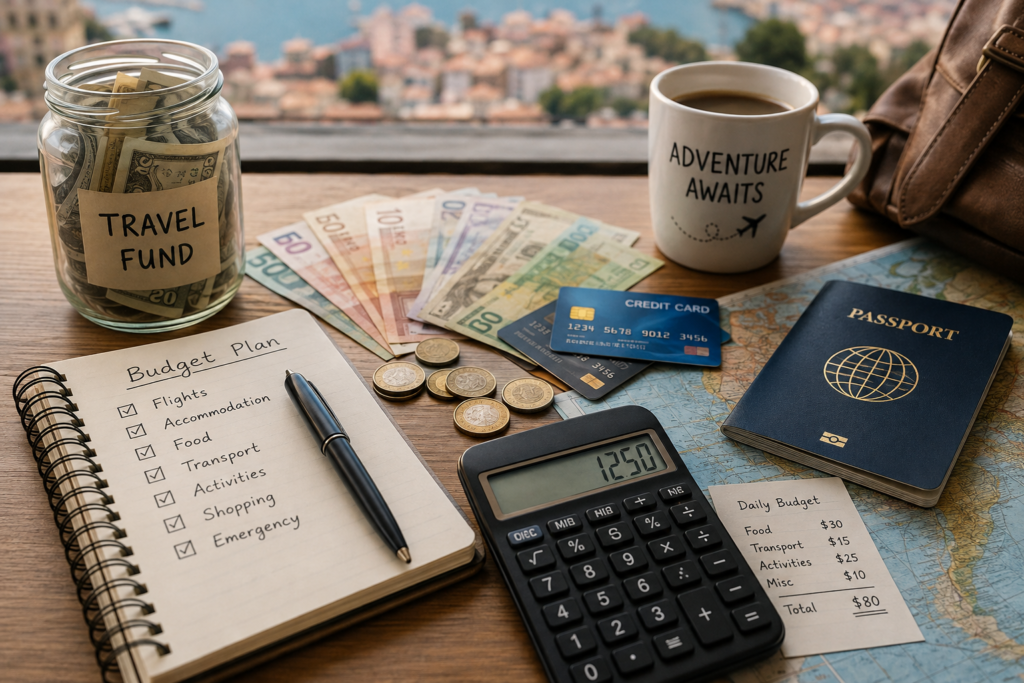
Consider expenses such as flights, accommodation, food, local transportation, activities, shopping, travel insurance, and emergencies.
Do not create a budget based only on the prices you hope to pay. Research the destination and estimate realistic costs.
For example, if you are visiting an expensive city, your daily food and transportation costs may be much higher than they would be in a smaller destination.
Once you know your expected expenses, decide how much money you can comfortably spend during the entire trip.
Set a Daily Spending Limit
A daily travel budget can make international money management much easier. After paying for major expenses such as flights and hotels, calculate how much you can spend each day.
Your daily budget can include meals, transportation, sightseeing, coffee, snacks, and small purchases.
I do not recommend treating your daily budget as a strict rule that prevents you from enjoying yourself. Instead, use it as a guide.
If you spend less than your budget on one day, you may have more flexibility on another day. The important thing is to understand how your spending is progressing throughout the trip.
Learn About the Local Currency
Before traveling, learn about the currency used in your destination. Knowing the approximate exchange rate can help you understand prices more easily.
You do not need to memorize complicated calculations. A simple conversion method on your phone can be enough.
I also recommend becoming familiar with common banknotes and coins before you arrive. This can make shopping and paying for transportation much easier.
Understanding the local currency also reduces the chance of accidentally overpaying because you misunderstood the price.
Carry Some Local Cash
Even though card payments are becoming common around the world, I believe travelers should still carry some local cash.
Small restaurants, markets, local transportation, street vendors, and other businesses may not always accept cards.
However, avoid carrying all of your travel money as cash. Carry only an amount that you are comfortable having with you for the day.
You can keep additional emergency cash in a secure and separate location.
Do Not Keep All Your Money in One Place
One of my most important international travel money tips is to avoid keeping everything together.
Do not put all your cash, cards, and important documents in the same wallet or bag.
If your wallet is lost or stolen, you could lose access to everything at once.
Instead, consider keeping a small amount of cash in your daily wallet while keeping another payment card and emergency cash in a separate secure place.
This simple habit can give you an extra layer of protection while traveling.
Use Credit or Debit Cards Wisely
Cards can be very convenient during international trips. They reduce the need to carry large amounts of cash and can make larger purchases easier.
Before traveling, check whether your card works internationally and whether your bank charges foreign transaction fees.
It is also a good idea to inform your bank about your travel plans if your bank requires travel notifications.
I usually prefer having more than one payment option. If one card stops working, another card or cash can help you continue your trip without major problems.
Understand Foreign Transaction Fees
Foreign transaction fees can quietly increase the cost of an international trip.
Some banks and card providers charge a percentage of each international purchase. ATM withdrawals may also include fees from both the bank and the ATM operator.
Before traveling, check your card’s international fees and withdrawal policies.
A card with low or no foreign transaction fees can be useful for frequent international travelers.
Even small fees can add up when you make many purchases during a long trip.
Be Careful With Currency Exchange
Currency exchange is another area where travelers can lose money.
Avoid exchanging large amounts of money without checking the current exchange rate and the fees involved.
Airport exchange counters can be convenient, but convenience does not always mean good value. Compare rates and fees whenever possible.
I prefer exchanging only enough money to handle immediate needs when I arrive and then finding a reliable option for additional cash if necessary.
Always understand how much local currency you are receiving and what the total cost of the exchange is.
Choose the Local Currency When Paying by Card
When paying with a card abroad, you may sometimes be asked whether you want to pay in the local currency or your home currency.
This is often called dynamic currency conversion.
In many situations, paying in the local currency can be a better choice because your card provider handles the currency conversion. The conversion offered by the merchant may include an additional markup.
Before confirming the payment, check the screen carefully and make sure you understand which currency you are selecting.
Track Your Spending Every Day
It is easy to lose track of money when traveling because you are constantly making small purchases.
A coffee here, a snack there, a taxi ride, and a souvenir may not seem expensive individually. However, these costs can become significant over several days.
I recommend checking your spending at the end of each day.
You can use a notes app, budgeting app, spreadsheet, or simple notebook.
Write down major expenses and compare them with your daily budget. This takes only a few minutes but can help you identify overspending before it becomes a problem.
Keep an Emergency Fund
Unexpected expenses can happen on almost any international trip.
You could miss transportation, need medical assistance, lose a booking, replace a phone, or face another situation that requires extra money.
For this reason, I always recommend keeping an emergency fund separate from your normal travel budget.
You may never need it, but knowing it is available can reduce stress.
Do not include your emergency money in your normal daily spending plan. Treat it as money that should only be used when something genuinely unexpected happens.
Be Careful With ATMs
ATMs can be convenient when you need local cash, but fees can vary significantly.
Before using an ATM, check the fees displayed on the screen. If the machine offers a currency conversion, read the information carefully before accepting it.
Using bank affiliated ATMs can sometimes provide better conditions than unfamiliar machines in tourist areas.
I also recommend withdrawing a reasonable amount rather than making many small withdrawals if each transaction includes a fee.
Avoid Impulse Shopping
International travel can make shopping very tempting. New products, souvenirs, clothing, electronics, and local goods can quickly affect your budget.
Before buying something, ask yourself whether you genuinely want it or whether you are simply excited because you are traveling.
I like setting a separate shopping budget. Once that amount is used, I stop shopping unless the purchase is genuinely necessary.
This approach allows you to enjoy shopping without letting it interfere with money needed for food, transportation, and other important expenses.
Keep Digital Records of Important Information
Money management is not only about spending less. It is also about being prepared.
Keep secure records of your bank contact information, card details, travel insurance information, and important account information.
Do not store sensitive information carelessly or share financial details with strangers.
If your card is lost, knowing how to contact your bank quickly can save a lot of time and stress.
Review Your Budget During the Trip
Your original budget is a plan, not something that can never change.
Prices may be different from what you expected. You may spend less on transportation but more on activities. Your hotel may include breakfast, reducing your food expenses.
Review your budget every few days and make adjustments when necessary.
If you notice that you are spending too much in one category, look for simple ways to balance it. For example, you might choose a less expensive restaurant for a few meals or use public transportation instead of taxis.
Keep Some Money for Your Last Day
One mistake travelers sometimes make is spending almost everything before the trip ends.
Remember that you still need money for transportation to the airport, food, unexpected expenses, and possibly airport costs.
I recommend keeping enough money for the final day and your journey home.
If you have extra local currency at the end, you can decide whether to exchange it, save it for a future trip, or spend it on something useful.
Conclusion
Managing money during an international trip does not have to be stressful. With proper planning, you can enjoy your vacation while staying in control of your finances.
Create a realistic travel budget, set a daily spending limit, learn about the local currency, carry some cash, and keep multiple payment options available. Pay attention to foreign transaction fees, ATM charges, currency exchange rates, and unnecessary spending.
Most importantly, keep an emergency fund and track your expenses throughout the trip.
For me, good travel money management is about finding a balance between saving and enjoying the experience. You should not spend your entire vacation worrying about money, but you should always know how much you have and where it is going.
When you plan your finances before leaving home and stay aware of your spending while abroad, you can travel with greater confidence and make your international trip much more enjoyable.