 travelandlearns
Related Articles
Traveling is one of the best ways to experience new places, meet different people, try new food, and create memories that stay with us for years. However, many people avoid traveling because they believe it is always expensive. In my experience, traveling does not have to cost a fortune. With some planning, smart choices, and a little flexibility, it is possible to enjoy a great trip while keeping your expenses under control.
The key to saving money while traveling is not to remove all the fun from your trip. Instead, it is about spending your money where it matters and avoiding unnecessary expenses. From choosing affordable transportation to finding reasonably priced accommodation, small decisions can make a big difference to your travel budget.
Set a Travel Budget Before You Leave
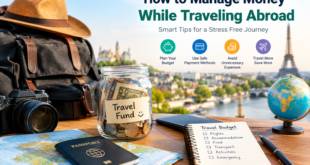
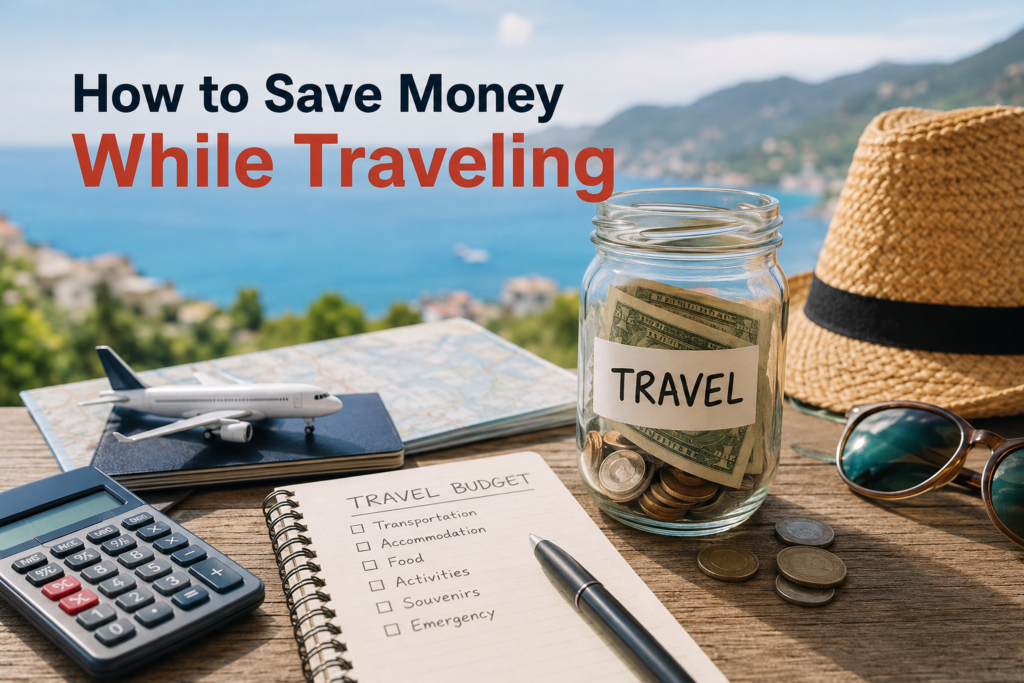
The first step to save money while traveling is creating a realistic travel budget. Before booking anything, I like to think about how much I can comfortably spend on the entire trip.
Divide your budget into important categories such as transportation, accommodation, food, activities, shopping, local transportation, and emergency expenses. This gives you a clear idea of where your money is going.
A travel budget also helps prevent unnecessary spending. When you know your daily spending limit, you are less likely to spend too much during the first few days of your trip.
I also recommend keeping a small emergency amount separate from your regular travel budget. This money can be useful if you face an unexpected transportation cost, medical expense, or other problem during your journey.
Choose Affordable Travel Dates
One of the easiest ways to save money on travel is to be flexible with your dates. Flights and hotels can become much more expensive during holidays, school vacations, major events, and peak tourist seasons.
If your schedule allows it, consider traveling during the shoulder season. This is the period just before or after the busiest travel season. Prices can be lower, attractions may be less crowded, and you can often enjoy a more relaxed experience.
I always recommend comparing different travel dates before making a booking. Sometimes changing your trip by just a few days can make a noticeable difference in the total cost.
Compare Transportation Options
Transportation can take a large part of your travel budget, especially when traveling internationally. Before booking a flight, compare different airlines, departure dates, airports, and routes.
Do not automatically choose the cheapest ticket without checking the complete cost. A cheaper flight might have additional baggage fees, inconvenient connections, or expensive transportation to and from the airport.
For shorter distances, buses and trains can sometimes be more affordable than flights. Public transportation can also be a great option once you arrive at your destination.
When I travel, I prefer to compare the total cost and convenience rather than looking only at the initial ticket price.
Save Money on Accommodation
Accommodation is another major travel expense. Fortunately, there are many ways to reduce this cost without making your trip uncomfortable.
Instead of always choosing a luxury hotel, compare hotels, guesthouses, hostels, apartments, and other suitable accommodation options. The best choice depends on your destination, travel style, and personal comfort.
Location is also important. A very cheap hotel far away from everything may cost more in the long run because of transportation expenses. Sometimes paying slightly more for a centrally located place can actually save money.
I also recommend checking whether your accommodation includes useful extras such as breakfast, WiFi, parking, or kitchen facilities. These small benefits can reduce other daily expenses.
Eat Like a Local
Food is one of the most enjoyable parts of traveling, but restaurant bills can quickly become expensive. One of my favorite ways to save money while traveling is to eat where local people eat.
Local restaurants, food markets, bakeries, and casual cafés often provide good food at more reasonable prices than restaurants located in major tourist areas.
You do not need to avoid restaurants completely. Instead, balance your meals. You might enjoy a special dinner one evening and choose a simple local meal the next day.
If your accommodation has a kitchen, buying groceries and preparing some meals can also reduce your food expenses. Even preparing breakfast or snacks yourself can make a difference over several days.
Use Public Transportation
Taxis and private rides are convenient, but using them regularly can become expensive. Public transportation is often one of the best ways to save money while traveling.
Depending on the destination, buses, trains, metro systems, and shared transportation can help you move around at a much lower cost.
Walking is another excellent option when places are close together. It costs nothing and gives you the opportunity to discover streets, shops, parks, and local neighborhoods that you might miss while sitting in a vehicle.
Before traveling, I like to understand the local transportation system. Knowing how buses, trains, or metro services work can make getting around easier and cheaper.
Look for Free Activities
You do not need to spend money every day to enjoy a destination. Many cities offer free attractions, parks, walking areas, beaches, museums on certain days, public events, historic neighborhoods, and scenic viewpoints.
Before your trip, research free things to do at your destination. This can help you create an enjoyable itinerary without filling every day with expensive activities.
For example, instead of paying for an expensive attraction every afternoon, you could spend the morning visiting a free public area and then choose one paid activity that you genuinely want to experience.
In my opinion, this approach makes travel more enjoyable because you are spending money on experiences that actually matter to you.
Avoid Unnecessary Tourist Purchases
Souvenirs can be tempting, especially when you are visiting a new country or city. However, buying something from every shop can quickly increase your travel expenses.
Before purchasing something, ask yourself whether you genuinely want it or whether you are simply buying it because you are on vacation.
I prefer choosing a few meaningful souvenirs instead of spending money on many small items. This keeps my luggage lighter and my budget healthier.
It is also worth comparing prices before buying souvenirs. Shops located directly beside major tourist attractions may charge more than stores in local neighborhoods.
Carry a Reusable Water Bottle
Buying bottled water repeatedly may seem like a small expense, but these costs can add up during a longer trip.
Where safe drinking water is available, carrying a reusable water bottle can help reduce daily spending. Many hotels, airports, restaurants, and public places may provide opportunities to refill a bottle.
It is a simple habit that can save money while also reducing unnecessary plastic waste.
Be Careful With Foreign Currency Fees
International travelers should also pay attention to currency exchange rates and transaction fees. Using a card without understanding its foreign transaction fees can result in unexpected costs.
Before traveling, check the fees associated with your bank cards and understand how currency conversion works.
When exchanging cash, compare rates and fees instead of choosing the first exchange service you see. Airport exchange counters can sometimes have less favorable rates, so it is worth doing some research beforehand.
I also recommend keeping more than one payment method available in case one card does not work.
Use Travel Apps and Discounts Wisely
Travel apps can make it easier to compare transportation, accommodation, attractions, and other expenses. Many destinations also offer tourist passes or discounts for public transportation and popular attractions.
However, I do not recommend buying a pass simply because it looks like a good deal. First, calculate whether you will actually use enough of its benefits to make it worthwhile.
Student discounts, senior discounts, family offers, group prices, and seasonal promotions may also help reduce costs when available.
Pack Carefully
Packing properly can save money in several ways. If you pack everything you genuinely need, you may avoid paying for unnecessary baggage or buying items after arriving at your destination.
I prefer creating a simple packing plan before leaving. Comfortable clothes, basic toiletries, appropriate shoes, travel documents, and useful everyday items can prevent unnecessary purchases.
Avoid overpacking because heavy luggage can sometimes lead to additional airline fees and can make transportation more difficult.
Avoid Impulse Spending
Travel can make people spend more freely because everything feels exciting and temporary. This is one reason why impulse purchases can become a major part of a travel budget.
Before buying something, take a moment to think about whether it fits into your budget. A small purchase may not seem important, but several small purchases every day can become a large expense.
I find it useful to set a daily spending limit for shopping, snacks, and entertainment. This gives me some freedom while keeping my overall budget under control.
Plan Your Activities in Advance
Good planning can save both money and time. Research the destination before your trip and make a flexible list of places you want to visit.
Try to group attractions that are close to each other. This reduces transportation costs and allows you to see more places without wasting time traveling from one side of a city to another.
Booking certain activities in advance may also provide better prices, but always check the cancellation rules before paying.
Keep Track of Your Spending
One of the most effective ways to save money while traveling is simply to know where your money is going.
At the end of each day, check your spending. You can write it down in a notebook or use a budgeting app. Compare your actual spending with the budget you created before the trip.
If you spend more than expected one day, you can adjust your plans the next day. This is much easier than discovering at the end of your vacation that you have spent far more than planned.
Final Thoughts
Saving money while traveling does not mean having a boring trip or avoiding everything you enjoy. For me, smart travel is about making thoughtful choices and getting the best value from every amount I spend.
The biggest savings usually come from transportation, accommodation, food, and daily activities. By choosing affordable travel dates, comparing transportation, staying in reasonably priced accommodation, eating local food, using public transportation, and looking for free experiences, you can significantly reduce your travel expenses.
Most importantly, create a budget before your journey and keep track of your spending while you are away. A little preparation can give you more financial freedom and less stress.
Travel should be about enjoying the destination, not constantly worrying about money. With the right approach, you can save money while traveling and still have an exciting, comfortable, and memorable experience.