 travelandlearns
Related Articles
Packing for a flight can feel confusing when you are traveling for the first time. There are size limits, weight restrictions, important documents, clothing, toiletries, electronics, and many other things to think about. I have found that the easiest way to make air travel simpler is to understand how to pack a carry on bag properly.
A well organized carry on can save time, reduce stress, and keep your most important belongings close to you. Instead of filling the bag with everything you might possibly need, I prefer to focus on useful items that I am actually going to use during the journey.
In this carry on packing guide for beginners, I will share practical packing tips that can help you prepare your bag, organize your belongings, and travel more comfortably.
Why Carry On Packing Matters
A carry on bag is more than just a smaller suitcase. It can hold the things you need during your flight and the items you would not want to lose if your checked luggage gets delayed.
Your carry on can include travel documents, electronics, medications, a change of clothes, toiletries, valuables, and entertainment for the journey. Having these items with you can make your trip much easier.
One mistake I see beginners make is packing too much. A carry on should be useful and manageable. If it becomes too heavy or difficult to organize, getting through the airport can become uncomfortable.
My approach is simple. I pack the essentials first and only add extra items when I know I will actually use them.
Check Your Airline Requirements
Before packing your carry on, check the current baggage rules of your airline. Airlines can have different requirements for bag dimensions, weight, and the number of items passengers can bring.
This is one of the most important steps for beginners because a bag that works for one airline may not meet the requirements of another.
I recommend checking the airline website before your trip rather than depending on information from an old travel article or a friend. Rules can change, and it is better to confirm everything before arriving at the airport.
Also remember that personal items such as a small backpack or handbag may have separate requirements depending on the airline.
Choose the Right Carry On Bag
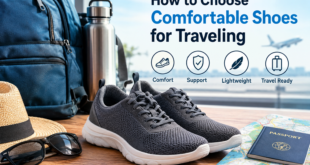
The bag itself can make a huge difference. For beginners, I recommend choosing something lightweight, durable, and easy to organize.
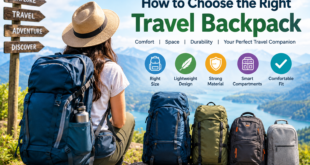
A small rolling suitcase is convenient if you want to avoid carrying weight on your shoulders. A travel backpack can be better if you expect to walk through train stations, airports, or busy streets.
When choosing a carry on, I look for strong zippers, comfortable handles, useful compartments, and a design that is easy to open.
A separate laptop compartment is helpful if you travel with electronics. Interior pockets can also make it easier to keep small items organized.
Start With a Packing Plan
Before putting anything inside your bag, make a simple packing plan. Think about the length of your trip, the weather, your activities, and what you will have access to at your destination.
For a short trip, you may only need a few outfits. For a longer trip, you can choose clothing that works in different combinations instead of packing a completely different outfit for every day.
I like to place everything I plan to take on the bed before packing. This gives me a better idea of how much I actually have.
It also makes it easier to remove unnecessary items before the bag becomes crowded.
Pack Your Clothing Efficiently
Clothing usually takes up the most space in a carry on. The key is to pack versatile pieces that can be used more than once.
For example, neutral shirts, comfortable trousers, lightweight jackets, and simple shoes can usually be combined in several ways.
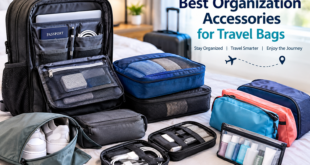
Rolling clothes can be useful because it makes small items easier to organize and can help you use the available space efficiently. Packing cubes are another useful option because they separate clothing by category.
I normally keep underwear and socks together, casual clothing in another section, and sleepwear in a separate packing cube.
Try not to pack clothing for every possible situation. Think about what you are realistically going to wear during the trip.
Keep Important Documents Accessible
Travel documents should never be buried at the bottom of your carry on.
Keep your passport, identification, boarding information, travel confirmations, and other important documents in an easily accessible pocket.
I also recommend keeping digital copies of important travel information on your phone. Having backup information can be useful if you lose a document or cannot access a printed copy.
A small document organizer can help keep everything together and prevent you from searching through your entire bag at the airport.
Pack Toiletries Carefully
Toiletries are another area where beginners can easily overpack. Instead of taking large bottles, use travel size containers when appropriate.
Basic toiletries can include toothpaste, a toothbrush, face wash, shampoo, deodorant, moisturizer, and other personal care products you actually use.
Remember that liquids and gels are subject to airport security rules. Requirements can vary by airport and country, so check the current security guidance for your departure airport before packing.
A clear toiletry pouch can make security checks easier because you can quickly access your liquids instead of searching through your clothes.
Keep Electronics Organized
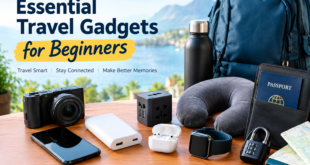
Phones, chargers, laptops, tablets, cameras, headphones, and other electronics can quickly create a mess inside a carry on.
I recommend keeping cables and chargers together in a small electronics pouch. This prevents them from getting tangled with clothing and other belongings.
If you are carrying a laptop or tablet, place it in a protected compartment when possible.
Keep valuable electronics in your carry on rather than putting them in checked luggage. You will also want easy access to your phone and charger during the journey.
Pack a Change of Clothes
One of my favorite carry on packing tips is to include one basic change of clothes, especially when checking a larger suitcase.
If your checked luggage is delayed, having fresh underwear, socks, and a shirt can make the situation much easier.
You do not need to pack a complete wardrobe in your carry on. A simple outfit and basic personal items are usually enough for unexpected situations.
This small amount of preparation can provide a lot of peace of mind.
Think About Your Flight Comfort
A carry on can also make your flight more comfortable.
Depending on your needs, you might pack headphones, an eye mask, a small travel pillow, reading material, snacks, or an empty reusable water bottle that you can fill after security where permitted.
Wear comfortable clothing for longer flights and keep anything you may need during the flight near the top of your bag.
I prefer to create a small section specifically for flight essentials. This means I do not have to unpack my entire bag just to find my headphones or charger.
Do Not Forget Medications
If you regularly use medications or need important health related items while traveling, keep them accessible in your carry on and follow the relevant airline and destination requirements.
It is generally better to keep essential items with you rather than placing them in checked luggage.
If you are traveling internationally, check the rules for carrying your particular medications into your destination country before departure.
Use Every Part of the Bag
Efficient packing is not just about putting more things into your suitcase. It is about using the available space intelligently.
Small spaces can hold socks, underwear, charging cables, or other compact items. Shoes can also be used to store small belongings, provided they are clean and properly protected.
However, do not fill every empty space simply because it is available. A little extra room can make it easier to access your belongings and repack your bag later.
Keep Heavy Items Near the Bottom
If you are using a rolling carry on suitcase, placing heavier items toward the bottom and closer to the wheels can help with balance.
For backpacks, distribute weight carefully so that the bag remains comfortable to carry.
Avoid putting everything heavy on one side. A balanced bag is easier to move and less uncomfortable when you are walking through the airport.
Make a Simple Carry On Packing List
Before leaving home, I recommend checking your bag against a simple list.
Start with your passport and travel documents. Then check your phone, charger, wallet, medications, toiletries, clothing, electronics, and any destination specific essentials.
After everything is packed, check the bag weight if your airline has a weight limit.
Doing this at home is much easier than discovering a problem at the airport.
Common Carry On Packing Mistakes
Beginners often make a few simple mistakes.
The first is packing too many clothes. Most people do not need a completely different outfit for every day.
The second is ignoring airline restrictions. Always check the latest requirements.
The third is putting important items at the bottom of the bag. Documents, electronics, and essential personal items should be easy to reach.
Another common mistake is forgetting about comfort. A bag that is technically within the size limit can still be difficult to carry if it is poorly designed or overloaded.
Finally, avoid packing items simply because you think you might need them. The goal is to travel with useful essentials rather than unnecessary weight.
Final Thoughts
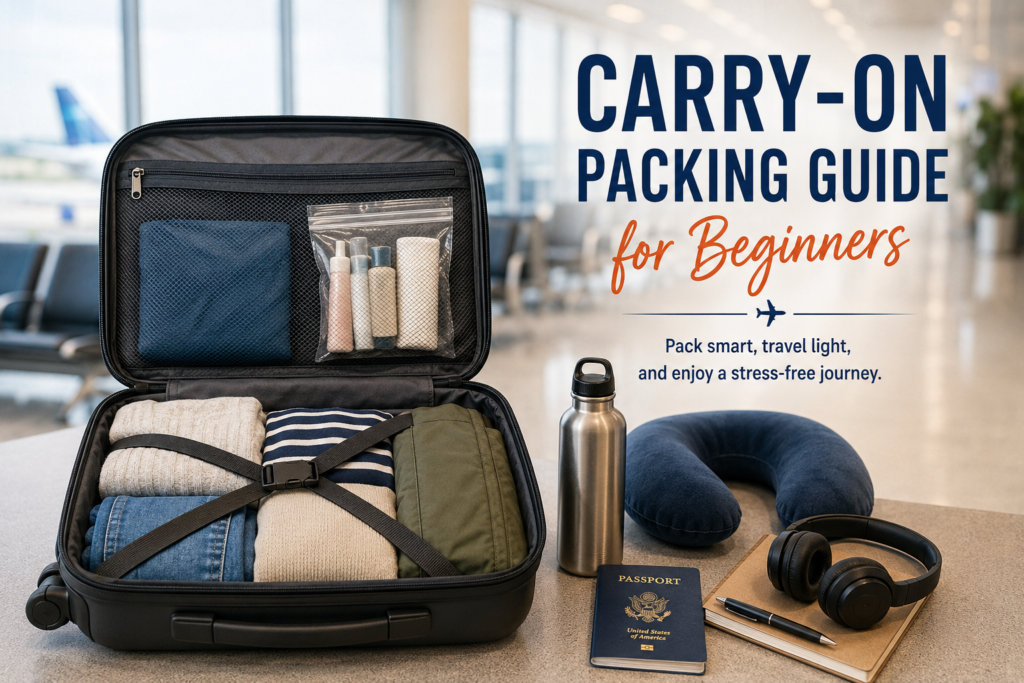
Learning how to pack a carry on does not have to be difficult. Once you understand what you actually need, the process becomes much easier.
My biggest advice for beginners is to pack light, stay organized, and check your airline requirements before leaving home. Choose a practical bag, keep important documents accessible, organize your clothing, protect your electronics, and leave a little space for flexibility.
The best carry on packing guide for beginners is not about fitting the maximum number of items into a small suitcase. It is about choosing the right items and arranging them in a way that makes your journey easier.
With a little planning, you can travel with less stress and more confidence. A well packed carry on gives you quick access to your essentials and helps you stay prepared throughout your trip.