 travelandlearns
Related Articles
Traveling does not always mean carrying a large suitcase filled with clothes, gadgets, and things that may never leave the bag. In my experience, the more carefully I choose my travel gear, the easier and more comfortable my trips become. Minimalist travel gear is all about carrying useful items without adding unnecessary weight or clutter.
The idea is simple. Take what you genuinely need, choose products that can serve more than one purpose, and avoid packing something just because you think you might need it. This approach can make airport transfers easier, hotel stays more organized, and daily travel much less stressful.
In this guide, I will share what I consider essential minimalist travel gear and how you can decide what deserves a place in your bag.
What Is Minimalist Travel Gear?
Minimalist travel gear refers to practical travel items that help you stay comfortable, organized, and prepared while keeping your luggage light. It does not mean traveling with almost nothing. Instead, it means being thoughtful about every item you carry.
For me, a good piece of travel gear should solve a real problem. If something is useful every day, saves space, or replaces several separate items, it becomes much more valuable.
The goal is not to have the smallest possible bag. The goal is to have a bag that contains everything you need and very little that you do not.
Start With the Right Travel Bag
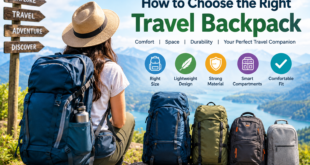
The first item I would focus on is the travel bag. A lightweight backpack is often one of the best choices for minimalist travel because it gives you flexibility without encouraging overpacking.
I prefer a bag with several useful compartments rather than a huge bag with lots of empty space. A well designed travel backpack can hold clothing, electronics, documents, toiletries, and other essentials while keeping everything accessible.
Look for comfortable shoulder straps, strong zippers, durable material, and a size that fits your travel style. If you normally take short trips, there is little reason to carry a large suitcase.
A smaller bag also creates a useful limitation. When space is limited, you naturally become more selective about what you pack.
Choose Versatile Clothing
Clothing can quickly become the biggest part of your luggage. This is where minimalist packing can make a major difference.
Instead of taking a separate outfit for every day, I recommend choosing clothing that can be mixed and matched. Neutral colors are especially useful because shirts, trousers, and jackets can work together in different combinations.
For a short trip, a few comfortable shirts, two pairs of trousers, underwear, socks, sleepwear, and one lightweight outer layer may be enough. Your exact amount will depend on the destination, weather, and length of your trip.
I also like clothing made from materials that dry relatively quickly and do not wrinkle easily. If you can wash a shirt and wear it again after it dries, you do not need to pack several extra shirts.
The key question I ask myself before packing clothing is simple: Will I actually wear this?
If the answer is uncertain, I usually leave it at home.
Comfortable Travel Shoes
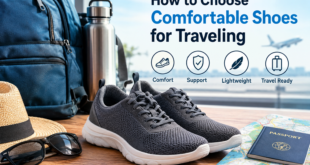
Shoes can take up a surprising amount of space, so minimalist travelers should choose carefully.
A comfortable pair of walking shoes can often handle airports, sightseeing, restaurants, and casual activities. If your trip involves a specific activity such as hiking or formal events, you may need another pair, but I would avoid carrying several pairs without a clear reason.
The most important thing is comfort. A beautiful pair of shoes is not useful if they cause pain after several hours of walking.
When possible, wear your heavier shoes during transportation and keep lighter footwear in your luggage.
A Reusable Water Bottle
A reusable water bottle is one of those simple travel accessories that I find genuinely useful. It can help you stay hydrated while reducing the need to repeatedly buy disposable bottles.
Choose a bottle that is durable but not unnecessarily heavy. A compact design that fits inside your backpack is ideal.
I would also consider whether the bottle is easy to clean. A complicated bottle with many small parts may become more annoying than useful during a trip.
Minimalist Toiletry Kit
Toiletries are another area where travelers often pack too much.
You usually do not need full size bottles of shampoo, shower gel, lotion, or other products. A compact toiletry bag with travel size containers can save considerable space.
My basic approach is to pack only the products I use regularly. This may include a toothbrush, toothpaste, deodorant, skincare essentials, shaving supplies, and any personal hygiene products I need.
Some accommodations provide basic toiletries, so it is worth checking what your hotel or accommodation offers before leaving home.
A small toiletry bag also makes airport security and daily organization easier.
Essential Electronics
Technology can make travel easier, but electronics can quickly turn into unnecessary baggage.
For most trips, a smartphone is the most important device because it can replace a camera, map, boarding pass, communication tool, entertainment system, and travel guide.
If you need a laptop for work, bring it. Otherwise, consider whether you really need one.
A charging cable and suitable wall charger are also essential. If you travel internationally, a universal travel adapter can be extremely useful because different countries use different power outlets.
I also recommend carrying a compact power bank when you expect long travel days. It can provide extra battery power when you cannot easily find an outlet.
The minimalist rule here is simple: bring technology that you will actually use.
Keep Your Documents Organized
Travel documents should never be treated as an afterthought.
Your passport, identification, boarding passes, reservations, travel insurance information, and other important documents should be easy to access.
A slim document organizer can help keep everything together without taking much space. I also recommend keeping digital copies of important documents securely available on your phone or another trusted location.
You do not need a large folder full of printed papers. Carry the documents that are genuinely required and keep the rest digitally when appropriate.
Packing Cubes Can Help
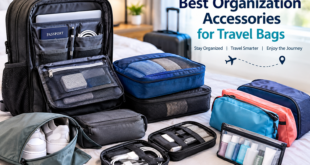
Packing cubes are not essential for every traveler, but I find them useful when they improve organization.
Instead of throwing everything directly into your backpack, you can separate clothing, underwear, electronics, and other categories. This makes it easier to find what you need without unpacking the entire bag.
For minimalist travel, I would avoid using too many packing cubes. One or two well chosen cubes may be enough.
The purpose is organization, not creating more containers for more things.
A Small Day Bag
A compact day bag can be useful if your main travel backpack is too large for sightseeing.
A foldable daypack is especially practical because it takes very little room when not in use. You can use it for walking around a city, visiting attractions, carrying water, or buying a few essentials.
If your main backpack is already comfortable enough for daily use, however, you may not need another bag.
This is an important part of minimalist travel. Not every recommended accessory is necessary for every person.
Basic Travel Comfort Items
Long journeys can become uncomfortable, so I believe a few small comfort items can be worth carrying.
A lightweight travel pillow can be useful during flights, buses, and long train journeys. An eye mask can help when you need to rest in bright environments. Earplugs can also be useful when your surroundings are noisy.
You do not necessarily need all three. Choose the items that solve problems you regularly experience while traveling.
Minimalism is personal. What is unnecessary for one traveler may be essential for another.
What You Probably Do Not Need
One of the biggest benefits of minimalist travel is learning what to leave behind.
You probably do not need five pairs of shoes, several heavy jackets, large bottles of toiletries, multiple cameras, duplicate chargers, or clothing for situations you are unlikely to encounter.
I also recommend avoiding the habit of packing something simply because you have room for it. Empty space does not mean you need to fill it.
Before packing an item, ask yourself three questions.
Will I use it?
Does it solve a real problem?
Can I replace it easily if I need it?
If the answer is no to all three, there is a good chance you can leave it behind.
How to Build Your Own Minimalist Travel Kit
The best minimalist travel gear setup should match your destination and personal habits.
For a weekend trip, you may only need a small backpack, versatile clothing, comfortable shoes, basic toiletries, your phone, charger, documents, and a water bottle.
For international travel, you may add a universal adapter, power bank, travel document organizer, and a few additional essentials.
For outdoor travel, your requirements will be different. You may need specialized clothing, footwear, and equipment.
The important thing is to build your travel kit around your actual trip rather than following a generic packing list.
Quality Matters More Than Quantity
Minimalist travel does not mean buying the cheapest products or owning the fewest things possible.
In my opinion, it is better to own a few reliable travel accessories than a large collection of items that break easily or serve no real purpose.
A durable backpack, comfortable shoes, reliable charger, reusable bottle, and useful toiletry bag can provide more value than dozens of cheap travel gadgets.
I also think versatility should be a major consideration. If one item can perform several functions without compromising comfort or reliability, it deserves serious consideration.
Final Thoughts
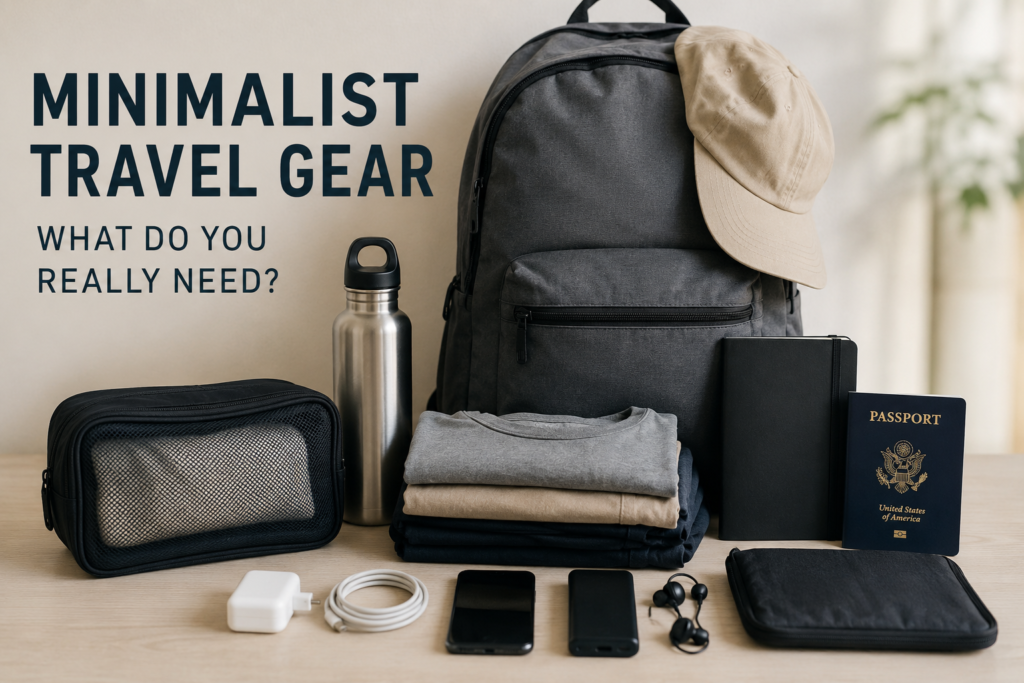
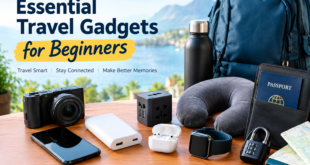
Minimalist travel gear is really about making better choices. You do not need to travel with an enormous suitcase to be prepared. You need the right combination of useful clothing, practical accessories, essential electronics, important documents, and a comfortable bag.
From my point of view, the best travel gear is the gear that makes the journey easier without becoming a burden itself. Every item should have a purpose, and the fewer unnecessary things you carry, the more freedom you have to enjoy the trip.
Start by thinking about what you actually use during travel. Remove duplicate items, choose versatile products, reduce unnecessary clothing, and focus on comfort and reliability.
Once you develop this habit, packing becomes much simpler. You spend less time deciding what to take, your luggage becomes easier to manage, and your travel experience can feel much more relaxed.
Minimalist travel is not about traveling with nothing. It is about carrying exactly what you need and knowing why each item is in your bag.