 travelandlearns
Related Articles


When I think about international travel, one of the first things I consider is my passport. A passport is more than just a small booklet that I carry in my bag. It is one of the most important travel documents I need when leaving my country and entering another one. Without a valid passport, an international trip can quickly become stressful or even impossible.
For first time international travelers, understanding how passports work can make the entire travel experience much easier. In this passport guide for international travelers, I will explain the most important things you should know before your trip, including passport validity, blank pages, renewal, damage, security, and common mistakes travelers should avoid.
What Is a Passport?
A passport is an official government document that identifies you as a citizen or national of a particular country. It allows you to travel internationally and provides important personal information such as your full name, date of birth, nationality, photograph, passport number, and other identification details.
When you travel internationally, airlines, immigration officers, and border authorities may ask to see your passport. Depending on your destination, you may also need a visa, electronic travel authorization, or another entry document.
I always recommend thinking about your passport as the foundation of your international travel documents. Before worrying about flights, hotels, or activities, make sure your passport is valid and suitable for the countries you plan to visit.
Check Your Passport Validity Before Traveling
One of the biggest passport mistakes travelers make is checking only the expiration date. Many countries have passport validity requirements that go beyond the actual date of travel.
For example, some destinations require your passport to remain valid for several months after your planned arrival or departure. This means a passport that looks valid when you leave home might not meet the entry requirements of your destination.
Before booking an international trip, I recommend checking the passport validity requirements for every country on your itinerary. This is especially important if you are visiting multiple countries.
Do not wait until the last few days before traveling. If your passport is close to expiration, renewing it before your trip can prevent unnecessary problems.
Make Sure Your Passport Has Enough Blank Pages
Passport pages are used for visas, entry stamps, exit stamps, and other immigration markings. Some countries require travelers to have a certain number of blank pages available.
This can become especially important during a long international trip where you plan to visit several countries.
I suggest opening your passport and checking the remaining blank pages before your journey. If you have very little space left, research the requirements of your destinations and consider applying for a new passport if necessary.
Having enough blank pages can make border procedures much smoother.
Passport Expiration and Renewal
Passport renewal is something every international traveler should plan for eventually. I personally believe it is better to renew a passport early rather than wait until it becomes an urgent problem.
The renewal process depends on your country of citizenship. You may need to submit an application, recent photographs, your existing passport, identification documents, and a fee.
Processing times can also vary. During busy travel seasons, applications may take longer than expected.
If you already know that you will be traveling internationally in the coming months, check your passport expiration date now. Give yourself enough time for the renewal process and avoid making last minute travel plans around an expiring passport.
What If Your Passport Is Damaged?
A damaged passport can create serious travel problems. Travelers sometimes assume that a passport is still acceptable as long as the personal information and photograph are readable. However, immigration authorities may have different standards for determining whether a passport is damaged.
Water damage, torn pages, missing pages, severe stains, damaged covers, or problems with the identification page can potentially cause complications.
If your passport has significant damage, I would not take the risk of traveling with it without checking the requirements of your passport issuing authority. Replacing a damaged passport before your trip may be much easier than dealing with a problem at the airport or border.
Keep Your Passport Safe While Traveling
Your passport should be treated like one of your most valuable travel documents. Losing it while abroad can be stressful because replacing it may require contacting your embassy or consulate and providing identification.
I recommend keeping your passport in a secure place while traveling. When moving between airports, hotels, and destinations, make sure you know exactly where it is.
Avoid leaving your passport in an unsecured bag or an unattended vehicle. When you arrive at a hotel, use the available secure storage option if appropriate.
At the same time, you should not carry your passport carelessly around a destination when you do not need it. Follow local requirements and use a secure method of carrying it when identification is necessary.
Keep a Digital Copy of Your Passport
One simple travel habit that I find extremely useful is keeping a secure copy of important passport information.
You can keep a scanned copy or clear photograph of the identification page in a secure location. You may also keep a physical photocopy separately from your original passport.
A copy is not a replacement for your actual passport, but it can make things easier if the original is lost or stolen. It may help you provide your personal information when contacting your embassy, consulate, airline, or other authorities.
Be careful about where you store digital copies because passport information is sensitive personal information. Use secure storage and avoid sharing passport images unnecessarily.
Passport and Visa Are Not the Same
A common mistake among first time travelers is thinking that a passport automatically gives them permission to enter another country.
A passport identifies you and confirms your nationality. A visa, when required, gives you permission to request entry under specific conditions.
Some countries allow certain travelers to enter without a traditional visa, while others require travelers to obtain a visa before departure. There may also be electronic travel authorization systems or visas issued on arrival.
Before traveling, I recommend checking the official entry requirements for your destination based on your nationality. Never assume that another traveler has the same requirements as you.
Your Name Must Match Your Travel Documents
Another important passport tip is to make sure your name is consistent across your travel documents.
When booking a flight, enter your name according to your passport and follow the airline’s instructions carefully. Differences in spelling, missing names, or incorrect personal information can sometimes cause problems during check in.
If you notice an error in your passport, contact the appropriate government authority before traveling. Do not assume that a small mistake will automatically be ignored.
Checking these details early can save you from unnecessary stress at the airport.
What To Do If You Lose Your Passport Abroad
Losing a passport abroad can feel overwhelming, but staying calm is important. The first step is usually to report the loss or theft to the appropriate local authorities if required.
You should then contact your country’s embassy or consulate for guidance. They can explain the available options for obtaining an emergency travel document or replacement passport.
This is another reason why keeping copies of your passport and important travel documents can be helpful. Having your passport details available may make the process easier.
I also recommend keeping important emergency contact information separately from your passport. If your passport disappears, you should still have a way to access the information you need.
Passport Security at Airports
Airports can be busy and distracting, especially during an international trip. It is easy to put your passport down while handling luggage, tickets, phones, or security procedures.
I make it a habit to check my passport before leaving every counter, security area, immigration desk, and boarding gate.
During international travel, you may need to show your passport multiple times. Keep it somewhere that is easy for you to access but difficult for someone else to take.
Never hand your passport to an unknown person simply because they claim to be able to help you. Follow instructions from authorized airport, airline, and immigration staff.
Check Passport Requirements Before Every International Trip
Passport rules can vary from country to country and may change over time. That is why I do not recommend relying only on information from an old trip or from another person’s experience.
Before each international journey, check the current requirements for your destination. Look at passport validity, blank pages, visa requirements, entry rules, and any additional documentation that may apply.
If you have connecting flights through another country, check the transit requirements as well. Sometimes travelers need to meet immigration or transit requirements even when they are not planning to stay in that country.
Final Thoughts
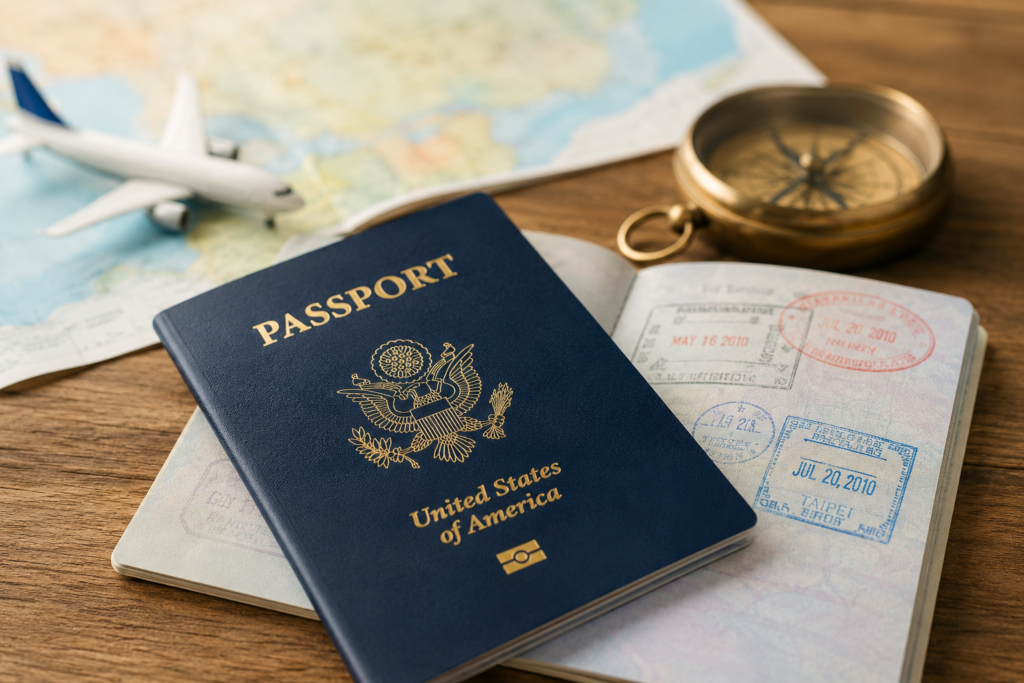
A passport is one of the most important documents for international travelers, and taking care of it should be part of your travel preparation from the beginning. Checking the expiration date, confirming validity requirements, keeping enough blank pages, protecting the document, and understanding visa requirements can prevent many common travel problems.
For first time travelers, I believe the best approach is simple. Do not wait until the airport to discover that your passport is expiring, damaged, or missing an important requirement. Check everything well before your departure date.
International travel should be exciting rather than stressful. When your passport and other travel documents are properly prepared, you can focus more on enjoying your destination and less on unexpected problems.
A few minutes of passport preparation can make a big difference to your entire journey. Treat your passport carefully, keep your information secure, and always check the current entry requirements before leaving home. With these basic habits, you can travel internationally with much greater confidence.