 travelandlearns
Related Articles

Planning your first international trip can feel exciting and a little confusing at the same time. When I first think about international travel, I think about passports, flights, hotels, visas, money, packing, and many other small details that need attention. The good thing is that you do not have to figure everything out at once.
In my opinion, the easiest way to plan your first international trip is to break the entire process into simple steps. When everything is organized properly, international travel becomes much less stressful and much more enjoyable.
This complete guide to planning your first international trip will help you understand the important things you should consider before leaving home.
Choose the Right International Destination
The first step is choosing where you want to go. If this is your first international trip, I recommend choosing a destination that matches your budget, travel experience, interests, and comfort level.
Think about what type of experience you want. Maybe you want to explore famous cities, relax on beaches, experience different cultures, visit historical places, or enjoy nature.
You should also consider the length of your trip. A short trip may be easier to manage if you are traveling internationally for the first time.
Before making your final decision, research the destination carefully. Check the general cost of accommodation, transportation, food, attractions, and other daily expenses. Also learn about the weather during your planned travel dates.
Check Your Passport
Your passport is one of the most important documents for international travel. Before booking your trip, check whether your passport is valid and whether it meets the requirements of your destination.
Some countries require travelers to have several months of passport validity remaining after their planned arrival or departure. Requirements can vary, so always check the official information for the country you are visiting.
Make sure your personal information is correct and that your passport is in good physical condition.
I also recommend keeping a digital copy of your passport in a secure location. It can be useful if your original document is lost or damaged while traveling.
Understand Visa Requirements
Visa requirements are another important part of planning your first international trip.
Some destinations allow certain travelers to enter without a visa, while others require a visa before arrival. Some countries also offer electronic visas or travel authorization systems.
Do not assume that another traveler has the same requirements as you. Visa rules can depend on your nationality, passport, purpose of travel, and length of stay.
Check the official government or embassy website of your destination before booking non refundable travel arrangements.
This step can prevent a major problem later.
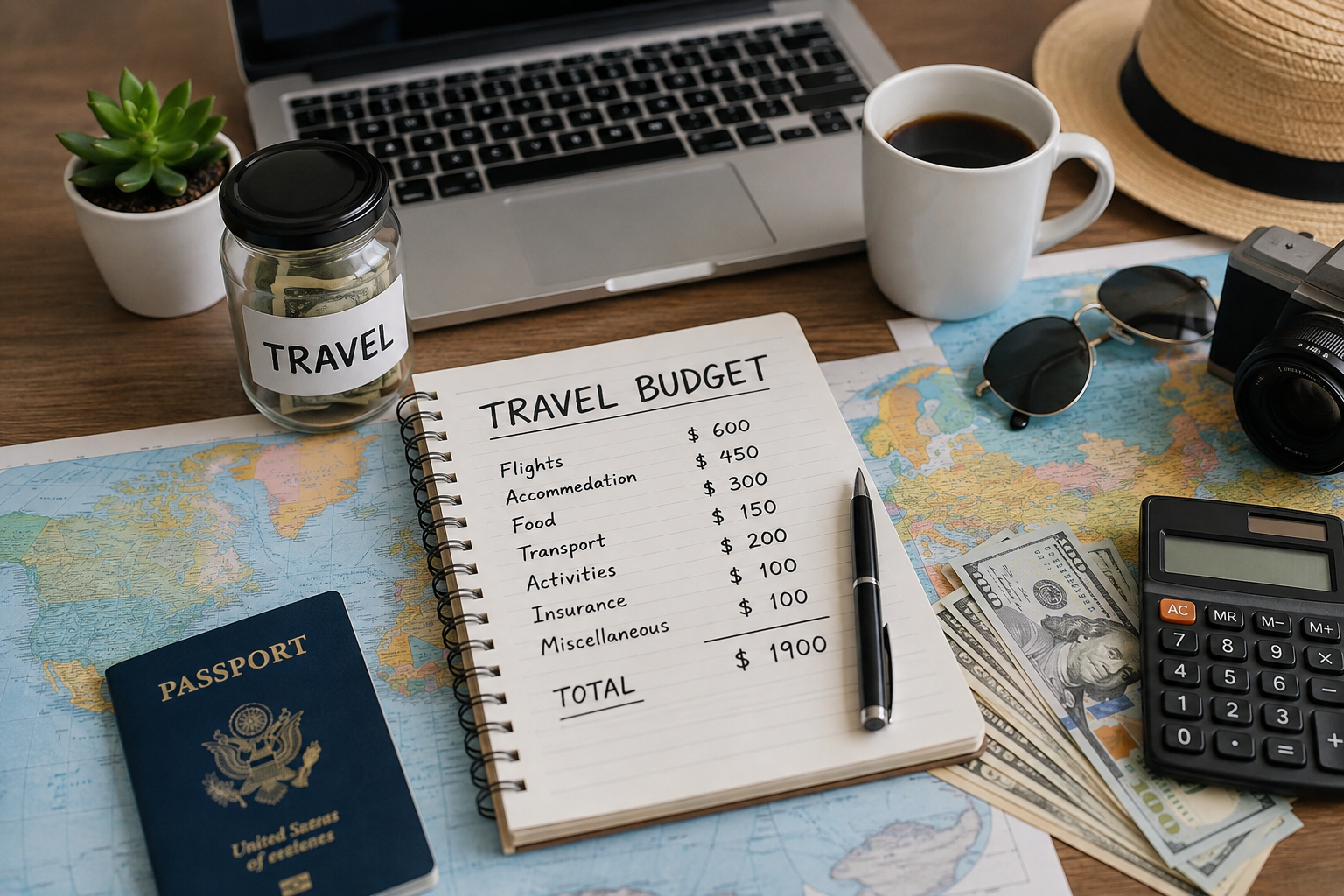
Create a Realistic Travel Budget
A travel budget helps you understand how much money you actually need for your trip.
When creating your budget, include more than just the flight and hotel. Consider transportation, meals, sightseeing, travel insurance, visa fees, luggage costs, shopping, internet access, and emergency expenses.
I personally find it easier to divide the budget into categories.
For example, you can create separate amounts for:
• Flights
• Accommodation
• Food
• Local transportation
• Activities
• Travel documents
• Travel insurance
• Shopping
• Emergency expenses
It is also smart to keep some extra money available for unexpected situations. Your goal should not only be to afford the trip but also to feel financially comfortable while traveling.
Book Your Flights Carefully
After deciding on your destination and approximate dates, start comparing flights.
Do not automatically choose the cheapest flight without checking the details. Look at baggage allowances, departure times, arrival times, layovers, airport locations, and ticket conditions.
A very cheap flight with multiple long layovers may not actually be convenient.
For a first international trip, I prefer keeping the journey as simple as possible. If a slightly more convenient flight saves you from a very long layover or difficult airport transfer, the extra cost may be worth considering.
Before purchasing a ticket, carefully check your name, travel dates, destination, and baggage information.
Choose Comfortable Accommodation
Your accommodation should match your budget and travel plans.
Hotels are not the only option. Depending on your destination, you may find hostels, guesthouses, apartments, or other types of accommodation.
When comparing places to stay, do not focus only on the room price. Look at the location, transportation access, guest reviews, cancellation policy, check in times, and included facilities.
For my first international trip, I would choose a location that makes daily transportation simple. Saving a little money on accommodation is not always useful if you spend a lot of time and money traveling to the main attractions.
Plan Your Transportation
Understanding transportation before arriving can make your first international trip much easier.
Research how you will travel from the airport to your accommodation. Find out whether the destination has trains, buses, taxis, ride services, or other transportation options.
You should also learn how much local transportation usually costs.
If you plan to use public transportation, research payment methods before your trip. Some cities use travel cards, while others allow contactless payments or mobile tickets.
Having a basic transportation plan can make your arrival much less stressful.
Make a Flexible Itinerary
One mistake I think first time travelers can make is creating an itinerary that is too busy.
It can be tempting to visit every famous attraction, restaurant, museum, and shopping area. However, trying to do everything can leave you exhausted.
Instead, create a flexible travel itinerary.
Choose a few important places you really want to visit each day and leave some free time between activities. This gives you the opportunity to explore naturally, rest when necessary, or change your plans.
Your itinerary should be a helpful guide rather than a strict schedule.
Learn About Local Culture
International travel is also about experiencing a different culture.
Before visiting another country, learn a little about local customs, traditions, greetings, clothing expectations, dining habits, and basic social rules.
You do not need to become an expert. Even learning a few simple phrases in the local language can be useful and appreciated.
Respecting local culture can make your experience better and help you avoid uncomfortable situations.
Prepare Your Money and Payment Methods
Money management is extremely important when traveling internationally.
Before leaving, find out which payment methods are commonly accepted at your destination. Carrying a suitable payment card can be useful, but I also recommend having some local cash available for small purchases and situations where cards are not accepted.
Contact your bank if necessary and check whether your cards have international usage restrictions or foreign transaction fees.
Do not keep all your money and cards in one place. Keeping important items separated can reduce the impact if something is lost.
Consider Travel Insurance
Travel insurance is another thing worth researching before an international trip.
Depending on the policy, travel insurance may provide protection for certain unexpected situations such as trip interruptions, baggage problems, or eligible medical expenses.
Coverage differs significantly between policies, so read the terms carefully instead of choosing a policy based only on price.
Make sure you understand what is covered, what exclusions apply, and how to make a claim if necessary.
Pack Smartly
Packing for an international trip does not have to be complicated.
Start with the essentials. Pack suitable clothing for the weather, comfortable shoes, personal items, chargers, important documents, and any items you genuinely need.
Avoid packing too many things just because you think you might need them.
I believe traveling with lighter luggage can make an international trip easier because you have less to carry through airports, hotels, and public transportation.
Before leaving home, create a simple packing checklist and check each item.
Prepare Your Phone
Your smartphone can be extremely useful while traveling.
Before your trip, download maps, translation tools, airline applications, accommodation information, and any other useful travel apps.
Check how you will access mobile data in your destination. Depending on your phone and destination, you may have options such as international roaming, local SIM cards, or eSIM services.
Save important addresses and booking information so you can access them even when your internet connection is unavailable.
Keep Important Documents Organized
Create a small travel document folder or secure digital folder containing your important information.
This may include your passport details, visa information, flight booking, accommodation reservation, travel insurance information, emergency contacts, and copies of important documents.
Having everything organized saves time when you need to show information at the airport or hotel.
Prepare for the Airport
Your first international airport experience can feel overwhelming, especially if you are not familiar with the process.
Arrive at the airport with enough time for check in, baggage drop, security, immigration, and other procedures.
Keep your passport and important documents easily accessible.
Pay attention to airport screens and announcements because gates and schedules can sometimes change.
Do not wait until the last minute to find your gate.
Stay Safe During Your Trip
Basic safety habits can make your international trip more comfortable.
Be aware of your surroundings, especially in crowded tourist areas. Keep valuable items secure and avoid displaying large amounts of cash.
Research common scams in your destination before traveling. It is easier to recognize suspicious situations when you already know what to expect.
Keep emergency contact information available and know how to contact your country’s embassy or consular service if you need assistance.
Final Checklist Before Leaving
A few days before your trip, review everything one more time.
Check your passport, visa requirements, flights, accommodation, transportation, money, travel insurance, packing list, phone setup, and important documents.
Also check your flight status before leaving for the airport.
I find that a final checklist reduces unnecessary stress because you can identify missing items before you leave home.
Final Thoughts
Planning your first international trip may seem complicated in the beginning, but it becomes much easier when you handle each part step by step.
Start with the destination, check your passport and visa requirements, create a realistic budget, book suitable flights and accommodation, prepare your itinerary, organize your documents, and pack carefully.
Most importantly, remember that travel does not have to be perfect to be enjoyable. Unexpected things can happen, plans can change, and you may make small mistakes. That is part of the travel experience.
With proper preparation and a flexible attitude, your first international trip can become a memorable experience that gives you confidence for many more journeys in the future.