 travelandlearns
Related Articles


Planning an international trip can be exciting, but it can also become stressful if you leave important things until the last minute. In my experience, a good pre travel checklist makes the whole process much easier. When everything is checked before leaving home, I can enjoy the journey with a much clearer mind.
An international trip usually requires more preparation than a domestic trip. You may need a passport, visa, travel insurance, flight documents, accommodation details, local currency, important medicines, and several other essentials. Missing even one important item can create unnecessary problems during your journey.
In this guide, I will share a complete pre travel checklist for international trips that beginners can easily follow.
1. Check Your Passport
Your passport should be the first thing you check when planning an international trip. Make sure it is valid for your entire journey and has enough validity for your destination.
Some countries require travelers to have several months of passport validity remaining after their planned arrival or departure date. Because entry requirements can vary, I recommend checking the official requirements of the country you are visiting before making final plans.
Also check your passport for damage. Keep the original passport in a secure place and consider keeping a digital copy of the identification page.
2. Check Visa Requirements
Visa requirements are another important part of your international travel checklist.
Depending on your nationality and destination, you may need a visa before traveling. Some countries offer electronic visas, while others may allow visa free entry or visas on arrival.
Do not assume that you can enter a country without a visa simply because someone you know traveled there without one. Requirements can be different based on nationality, passport type, purpose of travel, and length of stay.
Check the official immigration or embassy information for your destination and complete the visa process early.
3. Confirm Your Flight Details
Before your departure, carefully check your flight booking.
Confirm the departure date, departure time, airport, terminal, baggage allowance, and flight number. If you have connecting flights, check the connection time and airport information as well.
I also recommend checking your airline’s website before leaving for the airport because flight schedules can sometimes change.
Save your booking confirmation on your phone and keep an accessible copy of your travel details.
4. Confirm Your Accommodation
Your hotel or accommodation should be confirmed before your trip.
Write down the hotel name, address, phone number, check in time, and booking reference. Having these details available can be especially helpful when you arrive in an unfamiliar country.
I prefer keeping accommodation information both digitally and offline. If your phone battery runs out or you have trouble accessing the internet, an offline copy can still help.
5. Make Copies of Important Documents
Important documents should always be protected.
Before traveling, make copies of your passport, visa, flight tickets, hotel reservations, travel insurance documents, and other necessary paperwork.
You can keep digital copies in secure cloud storage and also save them on your phone for offline access.
Do not carry all your important documents in one place. Having backup copies can make things easier if an original document is lost.
6. Buy Travel Insurance
Travel insurance is an important consideration for international trips. Depending on the policy, it may provide coverage for certain unexpected situations such as medical emergencies, trip interruptions, lost baggage, or travel delays.
Before purchasing a policy, read the terms carefully. Check what is covered, what is excluded, the claim process, and whether your destination is included.
I believe understanding your insurance before traveling is just as important as buying it.
7. Check Health Requirements
Health preparation should be included in every international travel checklist.
Check whether your destination has any vaccination or health entry requirements. Requirements can change depending on the country and current circumstances, so use reliable official sources when checking them.
If you regularly take prescription medicines, make sure you have enough for your trip. Keep medicines in their original packaging when possible and carry any documentation that may be required.
A small personal first aid kit can also be useful for basic travel needs.
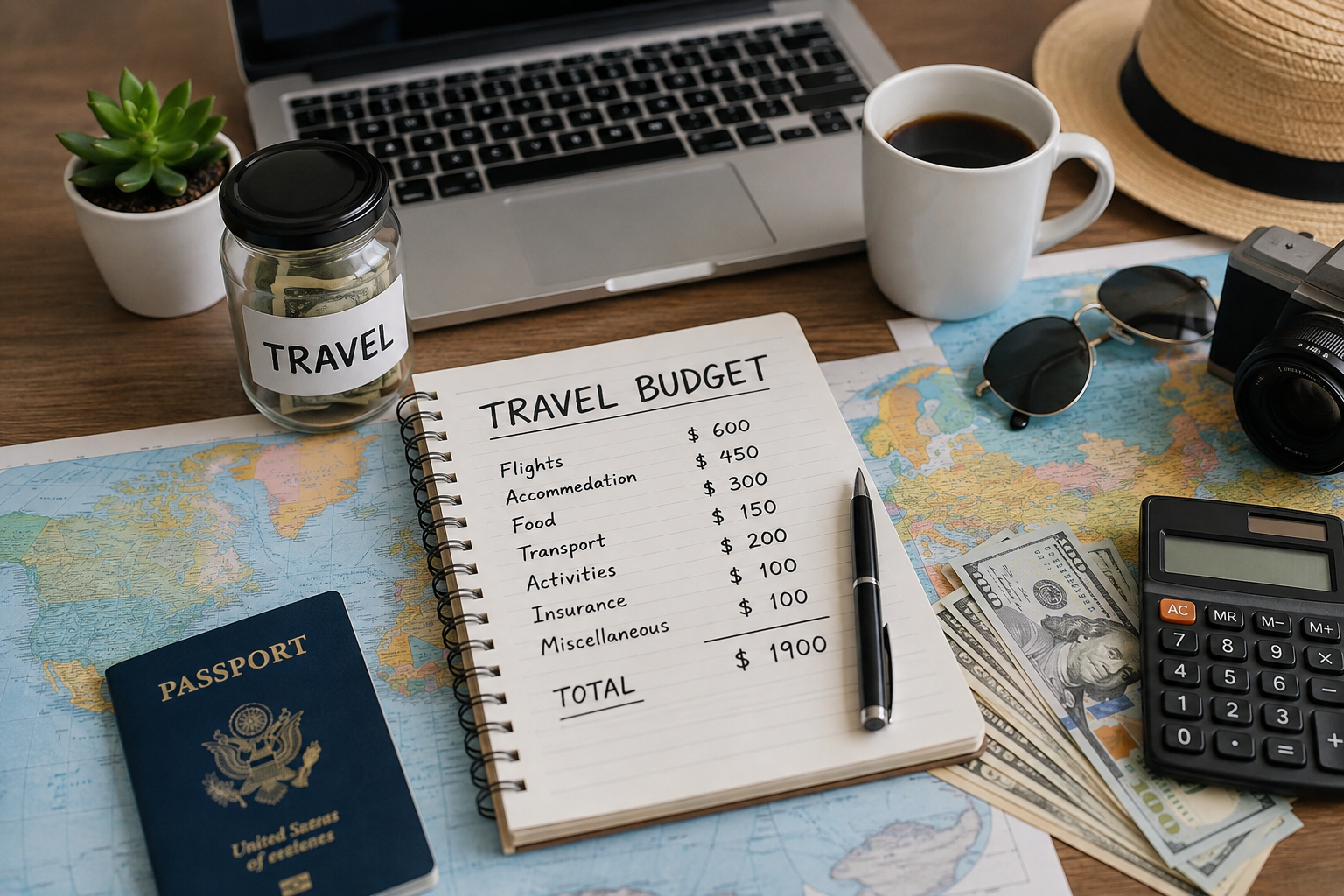
8. Plan Your Travel Budget
A travel budget can prevent many financial problems during a trip.
Before leaving, estimate the cost of flights, accommodation, transportation, food, activities, shopping, insurance, and emergency expenses.
I recommend keeping some extra money available for unexpected situations. Your actual spending may be different from your original plan, so having a small emergency budget can provide additional flexibility.
9. Prepare Your Payment Methods
Do not depend on only one payment method when traveling internationally.
Take your main bank card and, if practical, a backup payment method. Inform your bank about international travel if your bank requires this to prevent unexpected card restrictions.
It is also useful to understand the payment options commonly accepted at your destination.
Carry some local currency when appropriate, especially for small purchases, transportation, or situations where cards are not accepted.
10. Check Your Phone and Internet
Your phone can become one of your most useful travel tools.
Before leaving, check whether your mobile plan works internationally. You may also want to research international roaming, local SIM cards, or eSIM options.
Download important travel apps before your trip. Useful apps may include maps, translation tools, airline apps, transportation apps, and hotel apps.
Download offline maps when possible because you may not always have a reliable internet connection.
11. Pack According to Your Destination
Packing should be based on your destination, weather, activities, and length of stay.
Check the expected weather before packing clothes. Think about comfortable shoes, basic toiletries, chargers, travel documents, and any special items you personally need.
Avoid packing things you probably will not use. A lighter suitcase is often easier to manage, especially when using public transportation or changing hotels.
Also check your airline’s baggage rules before arriving at the airport.
12. Prepare Your Travel Essentials
Create a separate list of items that you need to keep easily accessible.
These may include your passport, wallet, phone, charger, boarding pass, medications, glasses, headphones, and important documents.
I prefer keeping essential items in my carry on bag rather than checked luggage. This means they remain accessible throughout the journey.
13. Research Your Destination
A little research before an international trip can make a big difference.
Learn about the local transportation system, currency, weather, common payment methods, basic cultural customs, and important local rules.
Save the address of your accommodation and identify how you will travel from the airport to your hotel.
You do not need to plan every minute of your trip. In my opinion, knowing the basics while leaving some room for flexibility creates a more comfortable travel experience.
14. Make an Emergency Contact List
Prepare a list of important contacts before leaving.
Include your family’s contact information, accommodation details, airline information, travel insurance provider, and relevant emergency services for your destination.
If you are traveling with family or friends, make sure everyone knows how to contact each other.
Keep this information somewhere accessible even if your phone is unavailable.
15. Secure Your Home Before Leaving
Your pre travel checklist should not stop at your suitcase.
Before leaving home, check doors and windows, electrical appliances, water taps, and other household essentials.
If someone needs to look after your home, provide them with the necessary information. You may also want to arrange care for pets, plants, or other responsibilities before departure.
16. Check Everything One More Time
A final review is one of the most useful steps in preparing for an international trip.
A day or two before departure, go through your checklist again.
Check your passport, visa, tickets, accommodation, insurance, money, medicines, luggage, phone, chargers, and transportation plans.
Then check your departure time and calculate how early you need to leave for the airport.
Final Thoughts
A complete pre travel checklist for international trips can save you from many avoidable problems. International travel becomes much easier when important details are handled before you leave home.
My approach is simple. I prepare my documents early, confirm my bookings, organize my finances, check health requirements, pack carefully, and keep backup copies of important information.
You do not need to make travel preparation complicated. A simple checklist can help you stay organized and confident from the moment you leave home until you return.
Before your next international trip, take some time to go through each item on this checklist. Once the important preparations are complete, you can focus less on what might go wrong and more on enjoying the experience ahead.