 travelandlearns
Related Articles
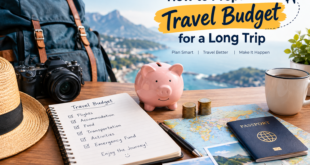
Planning a trip is exciting, but one thing that can quickly turn excitement into stress is money. Many people choose a destination first and think about the budget later. In my opinion, it is much better to do the opposite. When you understand how much you can comfortably spend, you can choose a destination, accommodation, transportation, and activities that fit your financial situation.
Learning how to plan a trip around your budget does not mean you have to travel without comfort or enjoyment. It simply means making smart choices before and during your journey. With proper planning, you can have a memorable trip without returning home with unnecessary financial pressure.
In this guide, I will explain how I approach travel budgeting and how you can create a practical travel plan based on the money you actually have available.
Start With Your Total Travel Budget
The first step is to decide exactly how much you can afford to spend on the entire trip.
Do not choose a destination simply because you like it. First, look at your available travel fund and decide what amount you are comfortable spending.
For example, if you have a total budget of $1,500, that amount should cover your major travel expenses as well as some money for unexpected situations.
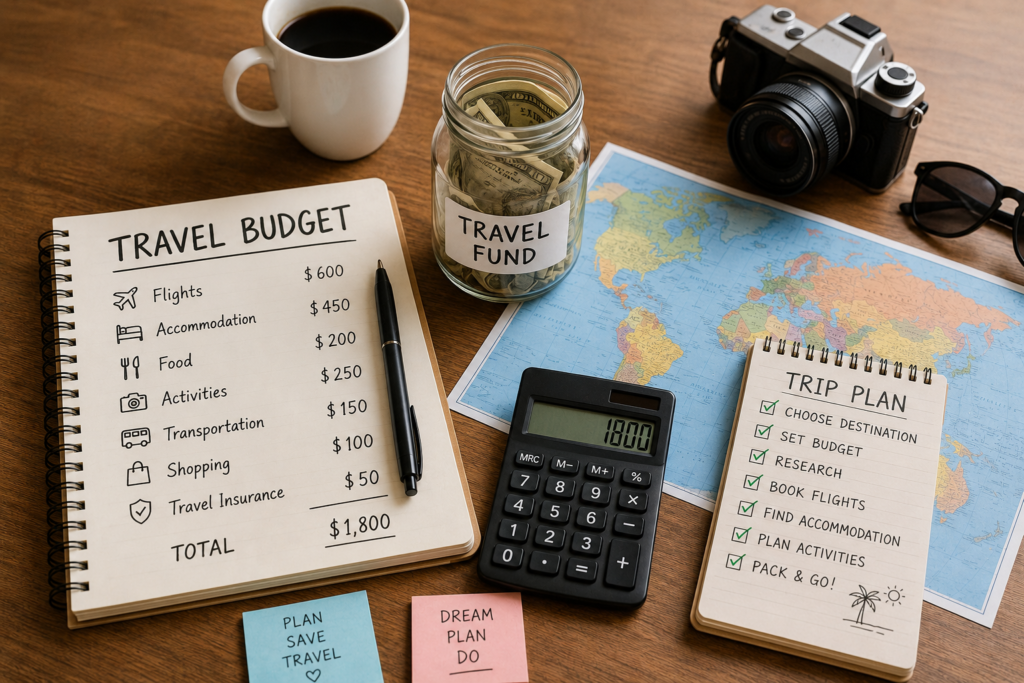
Your total travel budget may include flights, accommodation, food, local transportation, activities, travel insurance, visa costs, shopping, and emergency expenses.
I recommend keeping a small portion of your money untouched as an emergency fund. This gives you more confidence during the trip because you know that you have something available if an unexpected expense appears.
Decide What Kind of Trip You Want
Before spending money, think about what you actually want from the trip.
Some travelers care most about comfortable hotels. Others prefer spending more money on sightseeing, food, shopping, or unique experiences.
Personally, I think knowing your priorities makes budgeting much easier.
If your main goal is exploring a city, you may not need an expensive hotel because you will spend most of your day outside. If relaxation is your main goal, you may prefer to spend more on a comfortable hotel or resort.
There is no single perfect travel budget. The right budget depends on your travel style and priorities.
Choose a Destination That Matches Your Budget
Your destination can have a huge effect on your total travel cost.
Two destinations can offer similar experiences while having completely different prices for accommodation, food, transportation, and activities.
When comparing destinations, research the average daily cost of staying there. Look at hotel prices, restaurant prices, public transportation, entrance fees, and other common expenses.
Do not focus only on the price of the flight.
A cheap flight to an expensive destination may cost more overall than a slightly more expensive flight to an affordable destination.
This is why I always recommend calculating the estimated total cost before making a final decision.
Set a Budget for Flights
For many international trips, airfare can take a large portion of the budget.
Start comparing flights early and look at different travel dates when possible. Flexible dates can sometimes help you find better prices.
However, do not automatically choose the cheapest flight.
Check baggage allowances, departure times, layovers, airport locations, and additional charges. A very cheap ticket may become expensive after adding baggage and other fees.
If your budget is limited, traveling during less busy periods can sometimes help reduce airfare costs.
You can also compare nearby airports if they are practical for your journey.
The goal is not simply to find the lowest ticket price. The goal is to find a flight that provides good value while keeping your total trip budget under control.
Plan Your Accommodation Budget
Accommodation is another major part of travel expenses.
Before booking a hotel, decide how much you can comfortably spend per night.
Then multiply that amount by the number of nights you plan to stay.
For example, if your accommodation budget is $400 and you are staying for five nights, you have an average budget of $80 per night.
This simple calculation can help you avoid choosing hotels that are too expensive for your overall budget.
Remember to check what is included in the room price. Breakfast, taxes, parking, internet access, and other charges can affect the final cost.
Location is also important. A cheaper hotel far from the city center may require expensive transportation every day.
Sometimes paying slightly more for a well located hotel can actually save money.
Create a Daily Food Budget
Food costs can easily become difficult to control during a trip because travelers often eat several times a day.
Instead of guessing, create a simple daily food budget.
You can divide your expected spending between breakfast, lunch, dinner, drinks, snacks, and occasional special meals.
If you want to save money, you do not have to eat inexpensive food all the time. You can balance your meals.
For example, you might have a simple breakfast, enjoy a reasonably priced lunch, and spend more on dinner at a restaurant you really want to experience.
I believe food is an important part of travel, so I would rather plan for it properly than remove it completely from the budget.
Budget for Local Transportation
Transportation costs continue after you land.
Research how you will travel between the airport, hotel, attractions, restaurants, and other places.
Public transportation can often be more affordable than taxis, especially in cities with reliable trains or buses.
Walking is another excellent option when attractions are close together. It costs nothing and can also help you discover places you might otherwise miss.
Before traveling, research local transportation passes and compare their prices with individual tickets.
If you are visiting multiple cities, include intercity transportation in your budget as well.
Decide Which Activities Matter Most
One of the easiest ways to control travel spending is to prioritize activities.
You do not need to visit every attraction in a destination.
Make a list of the experiences you genuinely want and estimate their costs. Then decide which ones are worth paying for.
Some activities may be free, such as walking tours, public parks, beaches, markets, viewpoints, and exploring historic neighborhoods.
Paid attractions can still be included, but choose the ones that are most meaningful to you.
This approach allows you to enjoy your destination without spending money simply because an attraction is popular.
Research Free and Affordable Things to Do
A limited budget does not mean a boring trip.
Many destinations have free attractions and affordable experiences that can make your trip memorable.
You can explore local neighborhoods, visit public parks, walk through markets, admire architecture, visit free museums on special days, or simply spend time enjoying the atmosphere of the city.
Before traveling, search for free activities and affordable attractions in your destination.
I often find that some of the best travel memories do not come from expensive activities. They come from exploring a new place, trying local food, talking with people, and seeing everyday life.
Include Travel Insurance and Visa Costs
Some travel expenses are easy to forget when creating a budget.
Visa fees, travel insurance, airport transfers, documentation costs, and other preparation expenses can add up.
Research these costs before finalizing your budget.
If your destination requires a visa, include the application fee and any related expenses.
Travel insurance should also be considered, particularly for international travel. The cost and coverage depend on the policy, so read the details carefully before purchasing one.
Planning for these expenses early prevents unpleasant surprises later.
Create an Emergency Fund
I strongly recommend keeping emergency money separate from your regular travel budget.
You may never need it, but having it available can make a major difference.
Unexpected expenses can include transportation changes, replacement documents, additional accommodation, lost belongings, or other situations.
The emergency fund should not be treated as shopping money.
Keep it available for genuine unexpected needs.
The amount depends on your destination, trip length, and personal circumstances, but even a small reserve can provide peace of mind.
Track Your Spending During the Trip
Creating a budget before traveling is only half the job.
You should also keep track of your spending while you are away.
You can use a simple notes application, spreadsheet, budgeting application, or notebook.
Record your major expenses each day.
If you spend more than planned on one day, look for ways to reduce spending the next day.
For example, if you spend more on an expensive dinner, you could choose a simpler meal the following day.
This does not mean you have to worry about every small purchase. It simply helps you understand where your money is going.
Leave Room for Fun
A travel budget should not feel like a punishment.
If you create a plan that is too strict, you may spend the entire trip worrying about money.
Instead, create a small entertainment or personal spending category.
This money can be used for souvenirs, special meals, coffee, shopping, or an unexpected activity.
Having some flexible money allows you to enjoy spontaneous moments without destroying your main budget.
Review Your Budget Before Booking
Before confirming your flight or hotel, calculate your estimated total trip cost.
Add your airfare, accommodation, food, transportation, activities, insurance, visa expenses, and emergency reserve.
Then compare the total with the amount you can actually afford.
If the estimated cost is too high, do not immediately give up on the trip.
Look for areas where you can adjust the plan.
You might reduce the number of travel days, choose a more affordable hotel, travel during a different season, use public transportation, or select fewer paid activities.
Small changes can make a significant difference.
Final Thoughts
Learning how to plan a trip around your budget is one of the most useful travel skills you can develop.
The most important thing is to be realistic about what you can afford. Choose a destination that matches your finances, set spending limits for flights and accommodation, plan your food and transportation costs, prioritize activities, and keep money aside for emergencies.
In my opinion, good travel planning is not about spending the least amount of money possible. It is about spending your money on the things that matter most to you.
A carefully planned budget can give you more freedom, not less. When you know where your money is going, you can enjoy your trip with greater confidence and fewer financial worries.
You do not need a huge budget to have a great travel experience. You need a realistic plan, smart choices, and the willingness to make your trip work for your own financial situation.