 travelandlearns
Related Articles
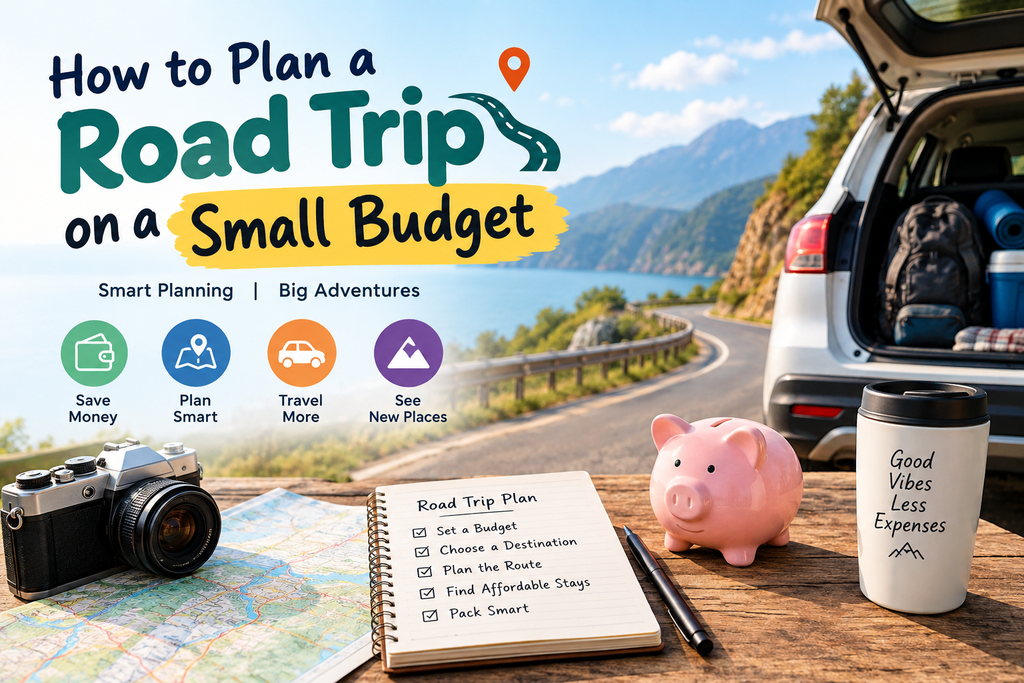
A road trip can be one of the most enjoyable ways to travel. You get the freedom to choose your own route, stop whenever you want, discover places that may not be included in regular travel plans, and enjoy time with friends or family. The only problem is that road trips can become expensive if you do not plan them carefully.
In my experience, a road trip on a small budget is completely possible when you focus on the right things before leaving home. You do not need an expensive car, luxury hotels, or expensive restaurants to have a memorable trip. Good planning can help you save money while still enjoying the journey.
In this guide, I will explain how to plan a road trip on a small budget, including transportation, fuel, food, accommodation, activities, and unexpected expenses.
Set Your Road Trip Budget First
The first step I recommend is setting a realistic budget before planning anything else. Many travelers choose a destination first and think about the cost later. This can make the trip more expensive than expected.
Start by deciding how much money you can comfortably spend on the entire trip. Then divide your budget into different categories.
Your main expenses may include:
Fuel
Food and drinks
Accommodation
Tolls and parking
Activities
Car maintenance
Emergency expenses
For example, if your total budget is $500, you might decide to spend around $150 on fuel, $100 on food, $120 on accommodation, $50 on activities, and keep the remaining amount for parking, tolls, or emergencies.
The exact amounts will depend on your destination and travel style, but having a limit makes your decisions much easier.
Choose an Affordable Destination
You do not have to travel hundreds of miles to enjoy a great road trip. One of the easiest ways to save money is to choose a destination that is reasonably close to your home.
Look for nearby cities, natural attractions, lakes, mountains, beaches, historical places, or small towns. Sometimes the best road trip experiences can be found only a few hours away.
I also recommend comparing several destinations before making a final decision. One location might have cheap transportation but expensive accommodation, while another may offer free attractions and affordable places to stay.
Think about the complete cost rather than only the distance.
Plan Your Route Carefully
A well planned route can save both time and fuel. Before starting your trip, check the roads and decide which places you really want to visit.
Try to avoid unnecessary driving between locations. If you are visiting several attractions, organize them according to their geographical location.
For example, instead of driving back and forth between two areas, visit nearby attractions together and then continue toward your next destination.
Navigation apps can also help you find different routes and estimate travel time. However, I recommend downloading an offline map before leaving, especially if you are traveling through areas where mobile internet may not be reliable.
Calculate Fuel Costs
Fuel is usually one of the biggest expenses on a road trip. That is why I always recommend estimating fuel costs before leaving.
First, estimate the total distance you will travel. Then check your vehicle’s average fuel efficiency and the current fuel price in the areas you plan to visit.
Do not calculate only the distance from your home to your destination. Include local driving, sightseeing, and the return journey.
You should also leave some extra money for unexpected driving. A road trip rarely goes exactly according to plan.
Travel With Friends or Family
One of the easiest ways to reduce the cost of a road trip is to share expenses.
If you travel with friends or family, fuel, parking, tolls, and accommodation can often be divided among several people. This can make a significant difference to your individual cost.
Before the trip, discuss how expenses will be divided. You can decide whether everyone contributes an equal amount or whether expenses are divided according to what each person uses.
Clear communication can prevent misunderstandings later.
Choose Affordable Accommodation
Accommodation can quickly consume a large part of your travel budget. Fortunately, there are many ways to reduce this cost.
Compare hotels, hostels, guesthouses, budget accommodations, and other suitable options before booking. Sometimes staying slightly outside a popular tourist area can save money.
If you are traveling with several people, look for accommodation where everyone can stay together. Depending on the location and local rules, this may be more affordable than booking several hotel rooms.
Camping can also be an option in areas where it is legally permitted and safe.
I would not recommend choosing accommodation based only on the lowest price. Check the location, reviews, safety information, facilities, and cancellation conditions before booking.
Prepare Your Own Food
Food is another area where travelers can easily spend more than expected.
Eating at restaurants for every meal may seem convenient, but the cost can add up quickly. Before your road trip, prepare some simple food and snacks at home.
You can pack items such as sandwiches, fruit, nuts, biscuits, bottled water, and other foods that travel well.
A reusable water bottle can also help reduce the need to repeatedly buy drinks.
You do not have to avoid restaurants completely. I personally think enjoying local food is part of the travel experience. The goal is simply to balance restaurant meals with affordable food options.
Look for Free Activities
You do not need to spend money on expensive attractions to enjoy a road trip.
Research free or low cost activities before you leave. Parks, hiking trails, viewpoints, beaches, local markets, public gardens, walking areas, and scenic roads can provide memorable experiences without a large entrance fee.
Search for free attractions in each destination and add them to your itinerary.
This is one of my favorite ways to keep travel affordable because you can often experience the character of a place without spending much money.
Avoid Unnecessary Shopping
Shopping can quietly increase your travel expenses.
When visiting tourist destinations, you may find souvenirs, clothes, decorations, snacks, and other things that look attractive. However, buying something at every stop can quickly affect your budget.
Before purchasing anything, ask yourself whether you actually need it or whether you simply like it because you are traveling.
If you want souvenirs, set a specific amount in your budget for shopping. This allows you to enjoy buying something without losing control of your expenses.
Check Your Vehicle Before the Trip
Saving money is important, but vehicle safety should never be ignored.
Before a long road trip, check your tires, brakes, engine oil, lights, battery, spare tire, and other important parts of the vehicle.
A basic vehicle inspection may help you avoid expensive problems during the journey.
You should also make sure you have essential items such as a phone charger, emergency supplies, basic tools, water, and important vehicle documents.
Spending a little time preparing your vehicle can potentially save you from major problems later.
Pack Smart
Packing too much can make your trip less comfortable and may even affect fuel efficiency.
Make a simple packing checklist before leaving. Take clothing appropriate for the weather, personal items, medications you normally need, travel documents, chargers, snacks, and other essentials.
Avoid packing things you probably will not use.
A well organized bag also makes it easier to find what you need during the trip instead of buying replacements on the road.
Keep an Emergency Fund
Even when you carefully plan a road trip, unexpected expenses can happen.
You might need an extra fuel stop, unexpected accommodation, vehicle repair, medical assistance, or another emergency expense.
For this reason, I recommend keeping part of your budget separate as an emergency fund.
Try not to spend this money unless it is genuinely necessary. Knowing that you have some money available for unexpected situations can make the trip less stressful.
Travel During the Right Season
The timing of your road trip can have a major effect on the total cost.
Popular travel seasons often bring higher accommodation prices and larger crowds. If your schedule is flexible, consider traveling during an off season or shoulder season.
You may find cheaper accommodation, less crowded attractions, and sometimes better travel deals.
Before choosing your dates, research the weather and local conditions. Saving money is useful, but you should still choose a period that is comfortable and safe for driving.
Create a Simple Daily Spending Limit
Once your main expenses are planned, create a daily spending limit.
For example, you might decide that you will spend a certain amount each day on food, activities, parking, and other small expenses.
This helps prevent small purchases from becoming a large unexpected bill.
I also recommend writing down your expenses during the trip. You can use a simple notes app on your phone. Seeing your spending in real time makes it easier to adjust your plans if you are getting close to your limit.
Keep Your Itinerary Flexible
A budget road trip does not need to be packed with activities from morning until night.
Leave some free time in your schedule. You might discover an interesting viewpoint, a beautiful town, or a peaceful place that was not part of your original plan.
At the same time, avoid changing your route too frequently because unnecessary detours can increase fuel and accommodation costs.
A flexible itinerary gives you freedom while still keeping your spending under control.
Final Thoughts
Planning a road trip on a small budget is mainly about making smart decisions before you leave. You can save money by choosing an affordable destination, planning your route, sharing expenses, comparing accommodation, preparing some food, finding free activities, checking your vehicle, and keeping an emergency fund.
For me, the most important lesson is that an enjoyable road trip does not depend on how much money you spend. The experience comes from the places you discover, the people you travel with, and the memories you create along the way.
With a little preparation and a realistic budget, you can enjoy a comfortable and memorable road trip without putting unnecessary pressure on your finances.