 travelandlearns
Related Articles
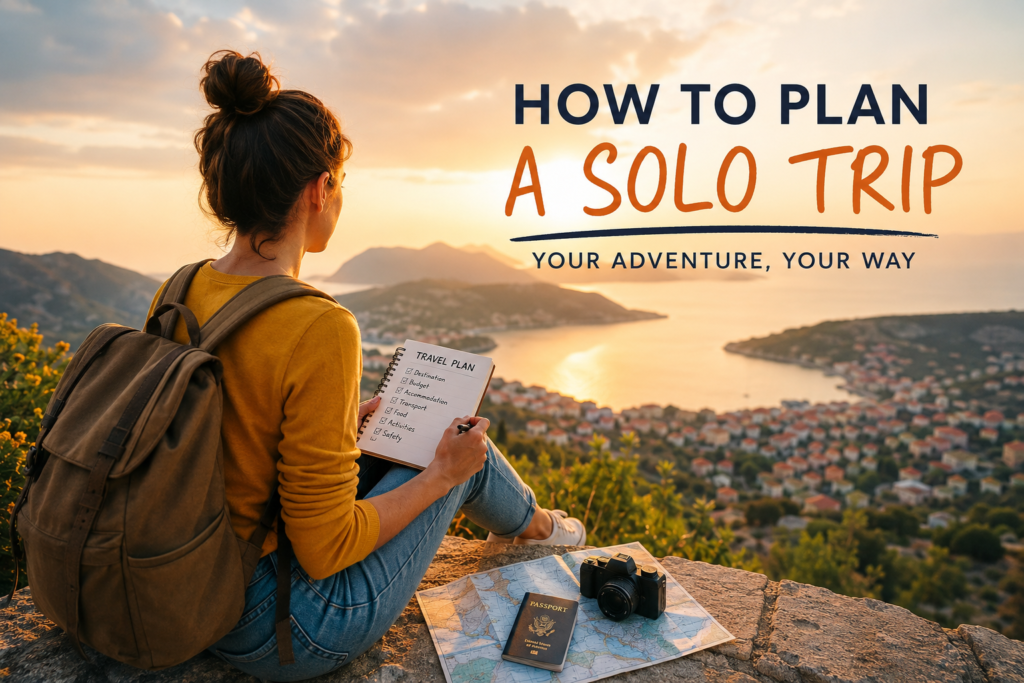
Planning a solo trip can feel exciting, slightly scary, and incredibly rewarding at the same time. When you travel alone, you have complete freedom to decide where you want to go, what you want to see, where you want to eat, and how you want to spend your time.
I believe solo travel is one of the best ways to become more confident and independent. You learn how to make decisions, solve small problems, communicate with different people, and enjoy your own company. However, a successful solo trip does not happen by simply booking a flight and leaving home. A little planning can make your journey safer, easier, and much more enjoyable.
In this guide, I will explain how to plan a solo trip step by step, especially if you are traveling alone for the first time.
Decide Why You Want to Travel Alone
Before choosing a destination, think about what you want from your solo trip.
Maybe you want some peaceful time away from your normal routine. Perhaps you want to explore a new culture, take beautiful photographs, try local food, or simply challenge yourself.
Knowing your purpose can help you choose the right destination and travel style.
If you want relaxation, a peaceful beach town may be better than a busy city. If you enjoy history and culture, a destination with museums, old buildings, and cultural attractions may be more suitable.
There is no single perfect solo trip. The best trip is one that matches your personality and interests.
Choose a Solo Friendly Destination
Choosing the right destination is one of the most important parts of planning a solo trip.
For your first solo adventure, I recommend choosing a place that is relatively easy to navigate and has reliable transportation and accommodation options. A destination with good tourist infrastructure can make your first experience much less stressful.
Research the local transportation system, common tourist areas, weather, language, cultural customs, and general cost of living before booking your trip.
You should also research current entry requirements and travel advisories for your destination.
Do not choose a destination simply because it looks beautiful on social media. Think about whether you will actually feel comfortable exploring it alone.
Set a Realistic Travel Budget
A solo trip can sometimes cost more than traveling with friends because you cannot split accommodation, transportation, or other expenses.
Start by deciding how much you can comfortably spend.
Your solo travel budget should include flights or other transportation, accommodation, food, local transportation, activities, travel insurance, documents, communication, and emergency expenses.
I always recommend keeping some extra money aside. Unexpected costs can happen during any trip, and having an emergency reserve gives you peace of mind.
Once you know your total budget, you can choose accommodation and activities that fit within it.
Plan Your Accommodation Carefully
Accommodation becomes even more important when you are traveling alone.
Look for a place with good reviews, a convenient location, and clear check in information. Before booking, check how easy it will be to reach the property from the airport, train station, or bus terminal.
For a first solo trip, I prefer staying somewhere that is reasonably close to the areas I want to explore. Spending slightly more on a convenient location can save time and transportation costs.
Read recent guest reviews and pay attention to comments about cleanliness, location, communication, and security.
You should also keep your accommodation address and contact information saved on your phone.
Create a Flexible Itinerary
One of the biggest advantages of solo travel is freedom.
You do not have to follow someone else’s schedule. You can wake up early, sleep late, spend three hours in a museum, or change your plans completely.
However, having no plan at all can sometimes create unnecessary stress.
I recommend creating a flexible travel itinerary. Choose the main places you want to visit each day, but leave enough free time between activities.
For example, instead of planning ten attractions in one day, choose two or three important places and leave the rest of the day open.
This gives you structure without making your trip feel like a strict schedule.
Research Transportation Before You Go
Understanding transportation before arriving at your destination can make your first day much easier.
Research how you will travel from the airport to your accommodation. Check whether public transportation, airport shuttles, taxis, or rideshare services are available.
Also learn how the local transportation system works.
If you plan to use buses or trains, find out how tickets are purchased and whether you need a travel card or mobile application.
I recommend saving important routes and maps on your phone before leaving. Having offline information can be extremely useful if you do not have mobile data.
Keep Important Documents Safe
When traveling alone, you are responsible for all of your important documents.
Make sure your passport is valid and check whether your destination requires a visa or other travel documents.
Keep digital copies of your passport, visa, travel insurance information, accommodation details, and important contact numbers in a secure location.
It is also useful to have a physical copy of important information.
Never keep all your important documents and money in one place. If something gets lost, having a backup can make the situation much easier to manage.
Think About Solo Travel Safety
Safety should always be part of your solo travel planning.
Before visiting a destination, research the areas that are generally suitable for tourists and learn about common scams or problems travelers may encounter.
When exploring, stay aware of your surroundings. Avoid displaying large amounts of cash or expensive belongings.
At night, choose transportation and routes that you are comfortable with. If a situation feels uncomfortable, you do not need to prove anything. Leave and move to a safer location.
I also recommend sharing your itinerary and accommodation details with someone you trust. Let them know when you arrive and occasionally check in during your trip.
Solo travel does not mean you have to handle everything completely alone.
Pack Light and Smart
Packing for a solo trip is easier when you focus on what you actually need.
You have to carry your own luggage, so bringing too much can quickly become annoying.
Choose comfortable clothes that work with the expected weather. Pack essential toiletries, medications if needed, chargers, travel documents, and a few useful accessories.
A comfortable backpack or manageable suitcase can make moving between airports, hotels, buses, and train stations much easier.
I also recommend keeping your most important items easily accessible. Your passport, phone, wallet, and travel documents should not be buried at the bottom of your luggage.
Stay Connected
Communication is important during solo travel.
Before leaving, check whether your mobile provider offers international roaming or consider a suitable local SIM or eSIM option if available for your destination.
Save important phone numbers and addresses offline.
You can also download maps and translation tools before your trip.
Staying connected does not mean you need to spend your entire vacation on your phone. It simply gives you another layer of convenience and security when you need directions, information, or assistance.
Plan Your First Day Carefully
Your first day in a new destination can feel overwhelming, especially when traveling alone.
I recommend keeping your first day simple.
After arriving, focus on reaching your accommodation safely, checking in, getting something to eat, and becoming familiar with the nearby area.
You do not need to see every major attraction immediately.
Once you become comfortable with your surroundings, exploring becomes much easier.
Make Time for Local Experiences
Solo travel gives you a wonderful opportunity to connect with your destination.
Try local food, visit markets, explore cultural attractions, and consider joining a guided walking tour or group activity.
Group activities can be especially useful for solo travelers because they allow you to meet other people while still maintaining your independence.
You might meet other travelers, locals, or people who share your interests.
At the same time, do not feel pressured to socialize constantly. One of the best parts of traveling alone is being comfortable spending time by yourself.
Prepare for Loneliness
Solo travel can be amazing, but it is normal to occasionally feel lonely.
You may see families and groups enjoying their vacations and briefly wish someone you know was there with you.
This does not mean your trip is going badly.
You can stay connected with friends or family through occasional calls and messages. You can also join group activities when you want company.
I think learning to enjoy your own company is one of the most valuable lessons of solo travel.
Keep an Emergency Plan
Before your trip, think about what you would do if something went wrong.
Know where the nearest hospital, police station, embassy or consulate, and reliable transportation options are located when relevant.
Keep emergency contact information available.
You should also have access to emergency funds and a backup payment method.
You probably will not need these things, but preparing for them can make you feel much more confident.
Do Not Overplan Everything
It can be tempting to plan every minute of a solo trip.
I have found that this can remove some of the fun from traveling.
Create a basic plan for transportation, accommodation, important attractions, and safety. Then leave room for unexpected discoveries.
You might find a small cafe that you love, meet another traveler, discover a beautiful street, or decide to spend an afternoon doing absolutely nothing.
Some of the best travel memories come from moments that were never included in the original itinerary.
Final Thoughts
Learning how to plan a solo trip is mainly about finding the right balance between preparation and freedom.
Choose a destination that matches your comfort level, create a realistic travel budget, book reliable accommodation, research transportation, organize your important documents, and think about personal safety before you leave.
At the same time, give yourself permission to enjoy the freedom that comes with traveling alone.
You do not need to create a perfect itinerary. You simply need enough preparation to feel comfortable and confident.
In my opinion, a well planned solo trip can teach you things that ordinary vacations cannot. You learn to trust your decisions, adapt to unfamiliar situations, and enjoy your own company.
Start with a destination that feels manageable, plan the important details, stay aware of your surroundings, and leave some space for adventure. Your first solo trip may feel challenging at first, but it could also become one of your most memorable travel experiences.