 travelandlearns
Related Articles
Planning a long trip is exciting, but managing money during a long journey can sometimes feel difficult. From my experience, one of the best ways to enjoy a trip without unnecessary financial stress is to prepare a travel budget before leaving home. A good travel budget helps you understand how much money you need, where your money will go, and how much you should keep for unexpected situations.
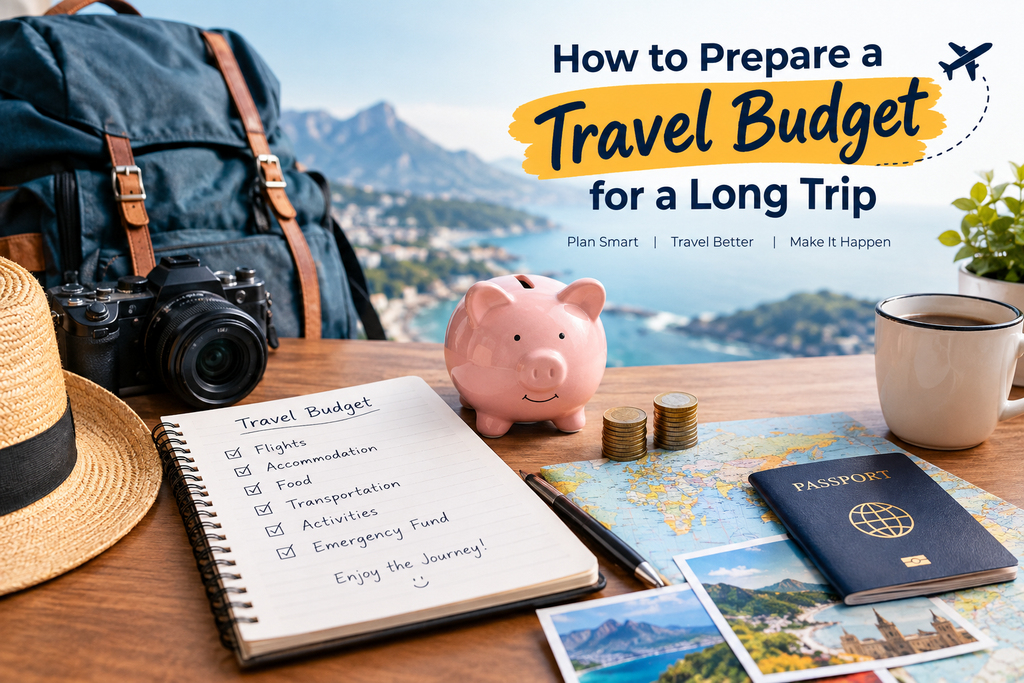
When I plan a long trip, I do not only think about flights and hotels. I also consider food, transportation, activities, travel insurance, shopping, emergency expenses, and small daily costs. These expenses can add up quickly when you are traveling for several weeks or even months.
In this guide, I will explain how to prepare a travel budget for a long trip in a simple and practical way.
Decide How Long You Will Travel
The first thing I consider when preparing a travel budget is the total length of the trip. A three day vacation and a thirty day trip will obviously require very different budgets.
Write down your planned departure date and return date. Then calculate the total number of days you expect to spend traveling.
For example, if you are planning a thirty day trip, you can create a daily spending estimate and multiply it by the number of days. This gives you a basic idea of how much money you may need for everyday expenses.
A longer trip does not always mean spending more every day. In many cases, staying longer in one place can actually reduce your daily costs because you may find cheaper accommodation, cook some meals, or use local transportation instead of expensive tourist options.
Set Your Total Travel Budget
After deciding the length of your trip, choose the maximum amount you are comfortable spending.
I recommend being realistic when setting this amount. Do not create a budget based on an unrealistic spending limit just because you want the trip to be cheap. Your travel budget should be comfortable enough to cover your basic needs and some enjoyable activities.
For example, you could decide that your total travel budget is $3,000. You can then divide this amount into different categories such as transportation, accommodation, food, activities, and emergency money.
Having a total limit makes it easier to control your spending throughout the journey.
Calculate Transportation Costs
Transportation can be one of the biggest parts of a travel budget, especially when visiting multiple destinations.
Start by estimating the cost of flights, trains, buses, rental cars, taxis, and local transportation. If you are planning to visit several cities, calculate the cost of moving between each destination.
I also like to check different transportation options before making a final decision. A train may be cheaper than a flight in some locations, while a bus may be the most affordable choice in another destination.
Do not forget about airport transportation. The cost of getting from the airport to your hotel and back can become significant during a long trip.
Plan Your Accommodation Budget
Accommodation is another major travel expense.
Before booking anything, decide how much you can comfortably spend per night. Then multiply that amount by the number of nights you plan to stay.
For example, if your average accommodation budget is $50 per night and you are staying for twenty nights, you would need approximately $1,000 for accommodation.
However, do not assume that every night will cost exactly the same. Prices can change depending on the location, season, weekends, holidays, and type of accommodation.
For a long trip, I would also consider apartments, guesthouses, hostels, and budget hotels. Sometimes these options can provide better value than traditional hotels.
Create a Daily Food Budget
Food is an expense that is easy to underestimate.
When I prepare a travel budget, I create a daily food allowance. This amount should cover breakfast, lunch, dinner, drinks, and occasional snacks.
You can save money by combining restaurant meals with affordable local food or simple meals prepared at your accommodation.
For example, you might decide to spend $25 per day on food. If your trip is thirty days long, your basic food budget would be around $750.
Of course, your actual food expenses will depend on the country and your personal eating habits.
Include Activities and Entertainment
A long trip should not only be about saving money. You also want to enjoy the places you visit.
Make a list of the activities you are interested in and research their approximate prices. This could include museums, tours, national parks, attractions, boat trips, cultural experiences, or other activities.
I prefer to separate essential activities from optional activities. This gives me more control over my spending.
If something is too expensive, I can decide whether it is really important or whether I would rather use the money somewhere else.
Keep Money for Unexpected Expenses
One of the most important parts of preparing a travel budget is creating an emergency fund.
Unexpected expenses can happen during any trip. You might need to replace something you lost, visit a doctor, change transportation, book another night at a hotel, or deal with a delayed journey.
For this reason, I never plan to spend every dollar of my travel money.
A useful approach is to keep a separate emergency amount that you do not include in your normal daily spending. The exact amount depends on the length and type of your trip, but having extra money can provide valuable peace of mind.
Think About Travel Insurance
Travel insurance is another expense worth considering when preparing a long trip budget.
Depending on the policy, travel insurance may provide protection for certain unexpected situations involving medical expenses, trip interruptions, lost baggage, or other covered problems.
Before purchasing a policy, carefully check what it actually covers, the exclusions, and any limits.
The cheapest policy is not automatically the right option. I prefer to understand the coverage first and then decide whether it fits my trip and budget.
Do Not Forget Small Expenses
Small expenses can have a surprisingly large impact on a long trip.
Things such as bottled water, coffee, snacks, public transportation, tips, phone data, laundry, entrance fees, and small purchases may not seem expensive individually. However, spending a few dollars repeatedly can add up over several weeks.
This is why I recommend creating a small daily miscellaneous category in your travel budget.
You do not need to track every tiny purchase before your trip, but you should leave enough room for these everyday costs.
Consider Currency Exchange Fees
If you are traveling internationally, currency exchange can affect your budget.
Banks, exchange services, and card providers may charge different fees or use different exchange rates. Before traveling, check how your bank or payment provider handles international transactions.
I also like to have more than one payment method available. Keeping some local currency and having a reliable card can be useful if one payment method does not work.
Always keep your money and payment cards secure while traveling.
Create a Simple Daily Spending Limit
Once you know your major expenses, calculate how much money remains for daily spending.
For example, if your total budget is $3,000 and you expect transportation and accommodation to cost $1,700, you have $1,300 remaining for food, activities, local transportation, and other expenses.
This does not mean you have to spend the same amount every day. Some days may cost more because of a special activity, while other days can be much cheaper.
A daily spending limit simply gives you a useful guide.
Track Your Expenses During the Trip
Creating a travel budget is only the first step. You also need to check how much you are actually spending.
I recommend recording your expenses every day. You can use a simple notes app, spreadsheet, or budgeting application.
At the end of each day, check your spending and compare it with your plan.
If you spend more than expected one day, you can reduce your spending slightly on another day. This small habit can help prevent financial problems later in the trip.
Review Your Budget Before Leaving
Before starting your journey, review your complete travel budget one more time.
Check your transportation, accommodation, food, activities, insurance, communication costs, emergency fund, and miscellaneous expenses.
I also recommend leaving some flexibility in your budget because travel rarely goes exactly according to plan.
A realistic travel budget should give you structure without making you feel restricted.
Final Thoughts
Preparing a travel budget for a long trip does not have to be complicated. From my point of view, the most important thing is to understand your major expenses before you leave and then give yourself enough flexibility for unexpected costs.
Start by deciding how long you will travel and setting a total budget. Then estimate transportation, accommodation, food, activities, insurance, and daily expenses. Keep a separate emergency fund and remember that small purchases can add up quickly.
Most importantly, continue tracking your spending during the trip. A travel budget should help you enjoy your journey, not prevent you from enjoying it.
With proper planning, you can travel for a longer period, manage your money responsibly, and focus more on creating memorable experiences instead of worrying about your finances.