 travelandlearns
Related Articles


Introduction
Traveling has always been one of my favorite ways to explore the world, meet new people, and create unforgettable memories. Many people believe that traveling is only for those who have a big budget, but I honestly think that is one of the biggest myths. Over the years, I have realized that smart planning is much more important than spending a lot of money. There are countless ways to reduce travel expenses without sacrificing comfort or enjoyment.
Every trip teaches me something new, and one lesson I always take home is that saving money while traveling is not about being cheap. It is about making better choices. When I spend less on unnecessary things, I have more money to enjoy experiences that truly matter. Whether it is trying local food, visiting famous attractions, or staying an extra day, the money I save through simple travel hacks always comes in handy.
If you are planning your next vacation and want to make every dollar count, these money saving travel hacks can help you travel smarter while staying within your budget.
Plan Your Trip Early
One of the easiest ways I save money is by planning my trips well in advance. Booking flights and hotels early usually gives me access to lower prices. Waiting until the last minute often means paying much more, especially during holidays and peak travel seasons.
I also spend time comparing prices before making any bookings. Even a small difference in airfare or hotel rates can save a significant amount when everything adds up.
Travel During the Off Season
I have discovered that traveling during the off season is one of the biggest money saving secrets. Popular destinations become much cheaper when fewer tourists visit.
Flights cost less.
Hotels offer discounts.
Tourist attractions are less crowded.
Restaurants are easier to get into.
Instead of standing in long lines, I enjoy a more relaxed experience while spending much less than I would during peak season.
Be Flexible With Your Travel Dates
Whenever possible, I avoid fixed travel dates. Flying a day earlier or later can sometimes reduce ticket prices by a surprising amount.
Midweek flights are often cheaper than weekend departures. I always check different dates before confirming my booking because even a small adjustment can save enough money for another activity during my trip.
Compare Flight Prices
I never book the first flight I find. Instead, I compare prices across several travel websites and airline platforms.
Sometimes one airline offers better baggage policies while another has lower ticket prices. Taking a few extra minutes to compare options often leads to significant savings.
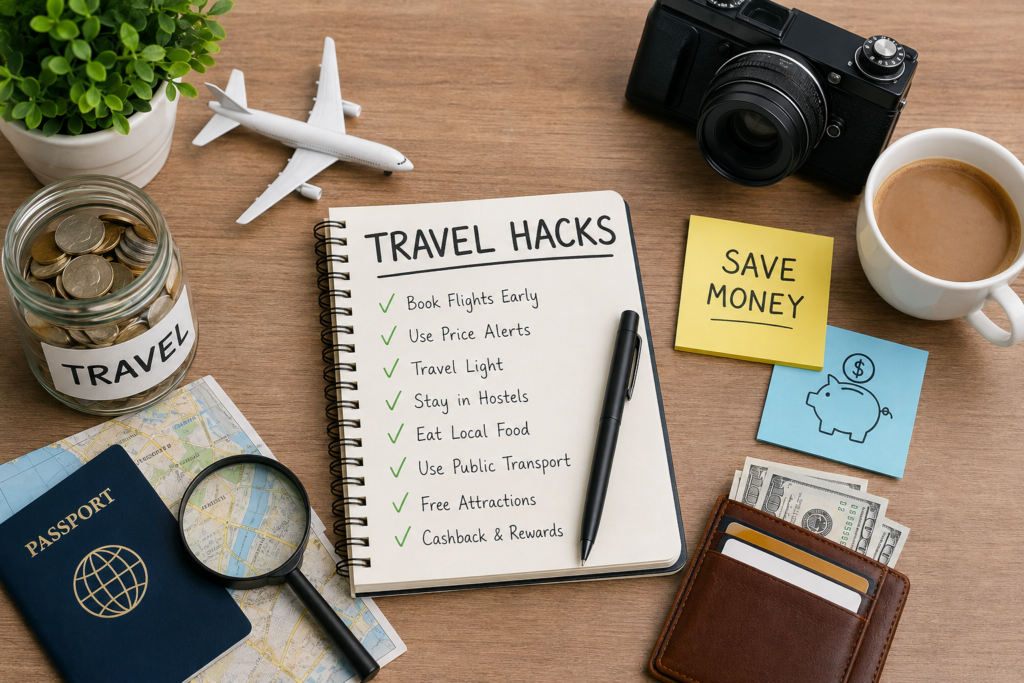
I also sign up for fare alerts so I receive notifications whenever ticket prices drop.
Pack Light
Packing only what I need has saved me more money than I expected.
Many airlines now charge extra for checked baggage. By traveling with only a carry on bag, I avoid these fees completely.
Packing light also makes moving between airports, hotels, and public transportation much easier. I spend less time waiting for luggage and more time enjoying my destination.
Choose Budget Friendly Accommodation
Luxury hotels are nice, but I have learned that they are not necessary for a memorable trip.
I often choose affordable hotels, guesthouses, hostels, or vacation rentals. These options provide everything I need at a much lower cost.
Sometimes staying slightly outside the city center also reduces accommodation costs while still allowing easy access through public transportation.
Use Public Transportation
Instead of relying on taxis everywhere, I use buses, trains, and local metro systems whenever possible.
Public transportation is usually much cheaper and gives me a better understanding of how local people live.
Walking is another great option. Many famous attractions are close enough to explore on foot, and I enjoy discovering hidden streets and local shops along the way.
Eat Like a Local
Food can become one of the biggest travel expenses if you only eat at tourist restaurants.
I prefer visiting local markets, family owned restaurants, and small cafés where residents eat.
The meals are usually fresher, more authentic, and much less expensive. Trying local dishes has become one of my favorite parts of every trip.
Carry a Reusable Water Bottle
Buying bottled water several times a day may not seem expensive, but over an entire vacation those purchases add up quickly.
I always carry a reusable water bottle and refill it whenever safe drinking water is available.
This simple habit saves money while also reducing plastic waste.
Book Attractions Online
Many museums, amusement parks, and tourist attractions offer discounted tickets when booked online.
I always check official websites before arriving because online promotions often include reduced prices or family packages.
Booking in advance also helps avoid long ticket lines.
Avoid Currency Exchange at Airports
Airport exchange counters often offer poor exchange rates.
Instead, I exchange money at local banks, trusted exchange offices, or withdraw cash from ATMs with reasonable fees.
Using a travel friendly debit or credit card can also reduce unnecessary charges.
Set a Daily Budget
One habit that keeps my spending under control is creating a daily budget.
Before leaving for my trip, I estimate how much I want to spend each day on food, transportation, shopping, and activities.
Having a clear spending limit helps me avoid unnecessary purchases while still enjoying my vacation.
Look for Free Attractions
Not every memorable experience requires an expensive ticket.
Many destinations offer amazing free attractions such as parks, beaches, hiking trails, historical neighborhoods, street performances, museums on free admission days, and cultural festivals.
Some of my favorite travel memories actually came from places that did not cost anything.
Travel With Friends or Family
Traveling with others can significantly reduce expenses.
Hotel rooms can be shared.
Transportation costs can be divided.
Group discounts may be available.
Food portions at some restaurants can even be shared, reducing costs without sacrificing the experience.
Cook Your Own Meals Occasionally
When I stay in apartments or vacation rentals with kitchens, I prepare simple breakfasts or dinners.
Buying groceries from local supermarkets costs much less than eating every meal at restaurants.
Even preparing one meal each day can save a surprising amount during a longer trip.
Use Reward Programs
Many airlines, hotels, and travel booking platforms offer loyalty programs.
I always create free accounts because points accumulate over time.
Eventually, those points can be redeemed for discounted flights, hotel stays, room upgrades, or other travel benefits.
It costs nothing to join, so there is no reason to miss these rewards.
Avoid Tourist Shopping Areas
Souvenirs sold near major attractions are usually much more expensive.
Instead, I explore local markets where prices are often lower and products feel more authentic.
Shopping outside tourist zones has helped me find unique gifts while staying within my budget.
Travel Insurance Can Save Money
Some people skip travel insurance to save money, but I see it differently.
Unexpected medical emergencies, canceled flights, lost luggage, or travel delays can become very expensive.
Having travel insurance provides financial protection that can save much more money if something goes wrong.
Download Offline Maps
Using mobile data abroad can become expensive.
Before every trip, I download offline maps so I can navigate without constantly using the internet.
This also helps me avoid getting lost and spending unnecessary money on taxis because I missed a turn.
Avoid Impulse Spending
Travel destinations are filled with tempting souvenirs, snacks, and attractions.
Whenever I feel like buying something expensive, I pause for a few minutes and ask myself whether I truly need it.
Most of the time, I realize I would rather spend that money on another experience than on an item that may sit unused after returning home.
Take Advantage of Travel Deals
I regularly check travel websites for seasonal discounts, promotional offers, and package deals.
Sometimes airlines, hotels, and tour companies launch limited time sales that reduce prices significantly.
Being patient and waiting for the right deal has helped me visit destinations that once seemed too expensive.
Keep Emergency Cash
Although this may not seem like a money saving tip, carrying a small amount of emergency cash has saved me from expensive situations.
If my card stops working or an ATM is unavailable, I do not have to exchange money at poor rates or pay unnecessary emergency fees.
A little preparation can prevent costly problems later.
Final Thoughts
Traveling on a budget does not mean giving up comfort or adventure. In my experience, it simply means making smarter decisions before and during every trip. Small habits like booking early, packing light, using public transportation, eating local food, and sticking to a budget may seem simple, but together they can save hundreds of dollars.
I have learned that the best travel memories rarely come from spending the most money. They come from exploring beautiful places, meeting interesting people, trying new experiences, and enjoying every moment without worrying about finances. Every dollar I save gives me the opportunity to travel longer, visit more destinations, or plan my next adventure sooner.
If you start using these money saving travel hacks, you will quickly realize that affordable travel is possible for almost everyone. With smart planning, patience, and a little flexibility, you can see more of the world while spending less. That is the approach I always follow, and it has allowed me to enjoy incredible journeys without stretching my budget.