 travelandlearns
Related Articles
Solo travel is something I believe everyone should experience at least once in life. There is a unique feeling that comes with exploring a new place without depending on anyone else. You get to make your own decisions, follow your own schedule, and discover things at your own pace. At first, the idea of traveling alone can feel scary, especially if you have never done it before. I remember thinking about all the possible problems that could happen, but once I took my first solo trip, I realized that most of those fears existed only in my mind.
Traveling alone teaches confidence, patience, and independence. It also helps you understand yourself better because every choice is yours. If you are planning your first solo adventure, there are a few things that can make your journey easier and more enjoyable. These are the tips I wish someone had shared with me before my first trip.
Choose the Right Destination
I think the first destination matters more than people realize. If it is your first solo trip, do not choose a place that is difficult to navigate or known for safety concerns. Pick a destination that has a good reputation for tourists, reliable transportation, and plenty of accommodation options.
Cities with friendly locals, clear public transport, and popular attractions are usually a great choice for beginners. You will feel more comfortable while learning how to travel independently.
Plan Before You Leave
I enjoy being spontaneous during my trips, but I always prepare before leaving home. I book my first night’s accommodation, check transportation options, and save important addresses on my phone.
Planning does not mean every minute of your trip has to be scheduled. It simply means you know the basics. This reduces stress and allows you to enjoy your journey instead of constantly worrying about what to do next.
Pack Light
One lesson I learned very quickly is that carrying too much luggage makes travel harder. When you are alone, nobody else will carry your bags.
I always pack clothes that can be mixed and matched. Comfortable shoes are essential because walking is often the best way to explore a destination. I also carry basic toiletries, travel documents, chargers, a power bank, and any medicines I might need.
A lighter backpack or suitcase gives you more freedom and makes moving between places much easier.
Keep Important Documents Safe
Your passport, identification, travel insurance, and booking confirmations are some of the most valuable things you carry.
I always keep digital copies on my phone and in cloud storage. I also print a few important documents just in case my phone battery dies or internet access becomes unavailable.
Keeping backups gives me peace of mind throughout the trip.
Book Your First Accommodation in Advance
Arriving in a new city after a long journey can be exhausting. The last thing I want is to search for a hotel while carrying luggage.
I always reserve my first accommodation before arriving. Reading guest reviews helps me choose places that are clean, safe, and located in convenient areas.
Once I settle in, I can decide whether I want to stay longer or move somewhere else.
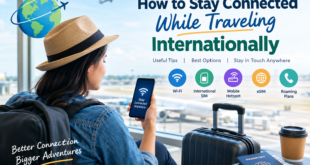
Stay Connected
I always make sure someone at home knows where I am. Before traveling, I share my itinerary with a family member or close friend.
Buying a local SIM card or using an international data plan makes navigation much easier. Having internet access allows me to use maps, translation apps, ride booking services, and emergency contacts whenever needed.
Being connected also helps me stay updated about local weather and transportation changes.
Trust Your Instincts
One of the biggest lessons solo travel has taught me is to trust my instincts.
If a place feels unsafe or a situation makes me uncomfortable, I leave immediately without worrying about being polite. My safety always comes first.
Most people you meet while traveling are kind and helpful, but staying alert is always the smarter choice.
Avoid Sharing Too Much Personal Information
Meeting new people is one of the best parts of solo travel. I have made amazing friends from different countries during my journeys.
However, I avoid sharing personal details like where I am staying, my room number, or my complete travel plans with strangers.
Being friendly does not mean ignoring common sense.
Learn Basic Local Phrases
I always try to learn a few basic words before visiting a new country.
Simple greetings, thank you, please, excuse me, and asking for directions can make conversations much easier. Locals usually appreciate the effort even if my pronunciation is not perfect.
This small effort often leads to friendlier interactions and better experiences.
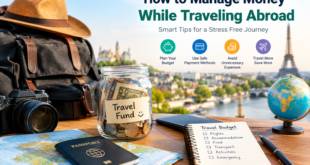
Manage Your Budget Wisely
Money management becomes even more important when traveling alone.
I divide my cash into different places instead of keeping everything in one wallet. I also carry at least two payment methods in case one stops working.
Tracking daily expenses helps me avoid overspending during the first few days of the trip.
Having an emergency fund is also something I never ignore.
Arrive During Daylight
Whenever possible, I try to reach a new destination during the daytime.
Finding transportation, checking into accommodation, and understanding the neighborhood are all easier when there is daylight.
This simple habit has saved me from unnecessary stress on multiple occasions.
Use Reliable Transportation
I always research transportation options before arriving.
Official taxis, trusted ride sharing services, airport buses, and public transport are usually safer than accepting random offers from strangers.
If I need a taxi, I confirm the price or make sure the meter is being used before starting the ride.
Meet Other Travelers
Traveling alone does not mean you have to feel lonely.
Hostels, walking tours, local events, and group activities are excellent places to meet people from around the world.
Some of my favorite travel memories were created with people I met only a few hours earlier.
Even if you spend most of your trip alone, having occasional company can make the experience even more enjoyable.
Keep Your Phone Charged
My phone has become one of my most valuable travel tools.
It stores maps, booking confirmations, emergency contacts, translation apps, and travel photos.
I never leave my accommodation without a fully charged phone and a power bank.
This simple habit has helped me many times while exploring unfamiliar places.
Respect Local Culture
Every destination has its own customs and traditions.
Before visiting, I spend some time learning about local etiquette, dress codes, and cultural expectations.
Respecting local culture not only helps avoid misunderstandings but also creates positive experiences with local people.
Travel becomes much more meaningful when we appreciate different ways of life.
Eat Smart
Trying local food is one of my favorite parts of traveling.
At the same time, I avoid eating from places that look unhygienic. I usually choose restaurants with good reviews or places where many locals are eating.
I also carry a reusable water bottle whenever possible and stay hydrated throughout the day.
Good health allows me to enjoy every moment of the journey.
Do Not Overload Your Schedule
When I first started traveling, I tried to visit every attraction in a single day.
I quickly realized that rushing everywhere made the experience less enjoyable.
Now I leave time for unexpected discoveries, relaxing in local cafes, walking through neighborhoods, or simply watching everyday life around me.
Some of my best travel memories happened when I was not following a strict plan.
Take Lots of Photos but Enjoy the Moment
I love taking photos because they help me remember my adventures.
However, I also remind myself to put the camera away sometimes.
Watching a beautiful sunset with my own eyes often becomes a stronger memory than looking at it through a phone screen.
Balancing photography with real experiences makes every trip more meaningful.
Stay Positive When Things Go Wrong
No trip is perfect.
Flights get delayed, weather changes unexpectedly, and plans sometimes fail.
Instead of getting frustrated, I try to stay calm and look for solutions. Many unexpected situations have actually turned into wonderful travel stories that I still remember today.
Flexibility is one of the greatest skills solo travel teaches.
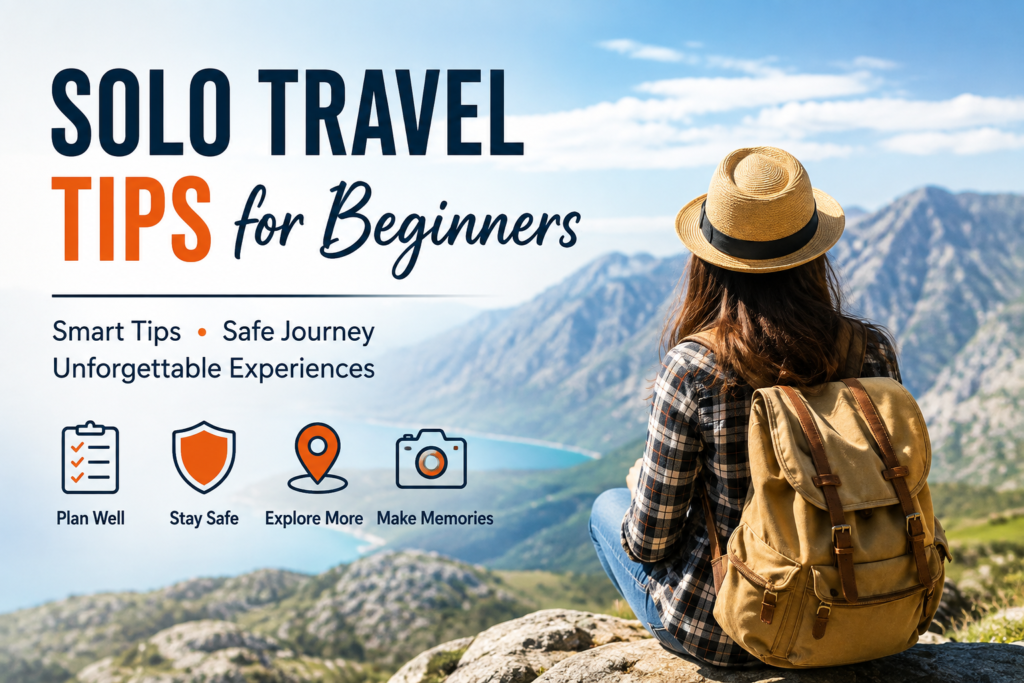
Believe in Yourself
The biggest challenge during your first solo trip is usually not the destination. It is your own fear.
Once you successfully navigate airports, book accommodation, explore new streets, and solve small problems by yourself, you begin to realize how capable you really are.
Every solo trip builds confidence that stays with you long after the vacation ends.
Final Thoughts
Solo travel may seem intimidating before you begin, but it is one of the most rewarding experiences I have ever had. It has helped me become more confident, more independent, and more open to different cultures and people. Every journey teaches something new, whether it is learning to navigate a foreign city, trying unfamiliar food, or simply enjoying my own company.
If you are planning your first solo adventure, start with a simple destination, prepare well, stay aware of your surroundings, and keep an open mind. You do not need to know everything before you leave because learning is part of the journey. Every experienced solo traveler was once a beginner.
Take that first step with confidence. Your first solo trip might feel challenging at times, but it could also become one of the most unforgettable experiences of your life. Once you discover the freedom that comes with traveling on your own, you may find yourself planning your next adventure before the first one even ends.