 travelandlearns
Related Articles
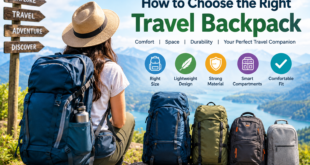
Choosing the right travel backpack can make a big difference in how comfortable and enjoyable a trip feels. I have found that a good backpack is not simply a bag for carrying clothes and travel essentials. It becomes an important part of the journey because you may carry it through airports, train stations, busy streets, hotels, hiking trails, and many other places.
When choosing a travel backpack, I believe it is better to focus on comfort, size, durability, organization, security, and your personal travel style instead of simply choosing the most expensive option. A backpack that looks great may not necessarily be the right backpack for your needs.
In this guide, I will explain how to choose the right travel backpack and the important features I would personally consider before buying one.
Understand Your Travel Style First
Before choosing a travel backpack, think about how you normally travel. This is one of the most important steps because different travelers need different types of backpacks.
If I were planning a short city trip, I would probably choose a compact backpack with enough space for clothing, electronics, toiletries, and a few daily essentials. For longer trips, I would consider a larger backpack with better organization and stronger support.
Your travel style also matters. Someone who stays in hotels and travels mainly by plane may want a different backpack from someone who spends weeks hiking, camping, or moving between different destinations.
Ask yourself a few simple questions. How long are my trips? Do I travel by plane often? Will I carry the backpack for several hours? Do I need space for a laptop? Will I travel in rainy weather? Do I prefer minimalist packing?
Answering these questions makes it much easier to find the right travel backpack.
Choose the Right Backpack Size
Size is one of the biggest factors when choosing a travel backpack. Bigger does not always mean better.
A backpack that is too small may force you to leave important items behind or pack everything tightly. On the other hand, a backpack that is too large can encourage overpacking and become uncomfortable to carry.
For short trips, a backpack around 20 to 30 liters can often be enough for travelers who pack lightly. For longer trips, many travelers prefer something around 35 to 45 liters. Larger backpacks can provide more room, but they can also become heavy when completely packed.
Personally, I prefer choosing a size based on what I actually need rather than choosing the biggest backpack available. A well organized 40 liter travel backpack can sometimes be more useful than a poorly designed 50 liter backpack.
Pay Attention to Comfort
Comfort should be one of your highest priorities when buying a travel backpack. You may look at a backpack for only a few minutes in a store, but you could wear it for several hours during a real trip.
Look for padded shoulder straps that feel comfortable against your shoulders. A padded back panel can also improve comfort, especially when the backpack is full.
A hip belt can be useful for larger backpacks because it helps distribute weight instead of placing all the pressure on your shoulders. Adjustable straps are also important because they allow you to fit the backpack to your body.
I recommend trying a backpack with some weight inside before buying it whenever possible. Walk around with it for a few minutes. Bend down, sit, and adjust the straps. If it already feels uncomfortable when empty or lightly loaded, it probably will not feel better during a long journey.
Check the Material and Durability
Travel backpacks can experience a lot of wear and tear. They may be placed under airplane seats, squeezed into luggage compartments, carried through crowded transportation, or exposed to dust and rain.
This is why I always pay attention to the material and stitching.
Look for strong fabric, reliable zippers, reinforced stitching, and durable handles. A quality backpack does not necessarily need to be extremely heavy. Modern travel backpacks can combine durability with relatively lightweight materials.
Water resistant fabric can also be useful. It will not make a backpack completely waterproof, but it can provide extra protection from light rain and accidental spills.
If you regularly travel in wet conditions, consider a backpack with a rain cover or stronger weather protection.
Consider Backpack Organization
Good organization can make traveling much easier. I prefer backpacks that allow me to quickly find what I need without taking everything out.
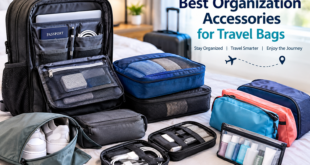
A travel backpack with several useful compartments can help separate clothing, electronics, documents, toiletries, and smaller accessories.
A dedicated laptop compartment can be especially useful for people who work while traveling. Some backpacks also include spaces for tablets, chargers, passports, water bottles, and other everyday items.
However, I would not choose a backpack simply because it has dozens of pockets. Too many compartments can sometimes make packing confusing. I think the best design is one that provides useful organization without making the bag unnecessarily complicated.
Look for Easy Access
Traditional backpacks usually open from the top, which can make it difficult to reach items at the bottom. Travel backpacks with suitcase style openings can solve this problem.
A clamshell opening allows you to open the backpack more like a suitcase. This can make packing and unpacking much easier, especially when staying in multiple hotels during one trip.
I personally find easy access particularly useful when traveling because I do not want to unpack the entire backpack just to find one shirt or a charging cable.
Think about the items you use most often and make sure they are easy to reach.
Think About Laptop and Electronics Protection
Many modern travelers carry laptops, tablets, cameras, headphones, power banks, and other electronics.
If you travel with electronics, choose a backpack that offers proper protection. A padded laptop compartment can reduce the chance of damage from everyday bumps.
I also like having a separate space for charging cables and smaller accessories. Keeping electronics organized can save time and prevent cables from becoming tangled.
However, avoid putting too many heavy electronics into your backpack. Weight can quickly become uncomfortable, especially if you need to walk long distances.
Consider Security Features
Security is another important part of choosing the right travel backpack. When traveling through busy airports, markets, buses, and train stations, you may carry valuable belongings.
Features such as lockable zippers, hidden pockets, and secure compartments can provide additional protection.
A hidden pocket can be useful for storing important documents or small valuables. Some travel backpacks also have RFID protection for certain types of cards, although I would not choose a backpack based on this feature alone.
The most important thing is still good travel awareness. A secure backpack can help, but it should not replace sensible precautions.
Check the Weight of the Backpack
One mistake I see travelers make is buying a backpack that is already heavy before anything is packed inside.
A lightweight travel backpack can be easier to carry, especially when walking through airports or exploring a city.
At the same time, extremely lightweight materials may not always offer the durability you want. For me, the goal is to find a sensible balance between weight, comfort, and durability.
Remember that the backpack itself is part of the total weight you will carry. Saving even a small amount of unnecessary weight can make a noticeable difference during a long trip.
Think About Airline Requirements
If you frequently travel by air, consider the size restrictions of the airlines you normally use.
A backpack designed for travel can sometimes work as a carry on or personal item, but airline requirements vary. Always check the current baggage rules of your airline before your journey.
I recommend measuring your fully packed backpack instead of relying only on the manufacturer’s advertised dimensions. Overstuffing can change its size considerably.
Choosing a backpack that works well with your usual travel arrangements can save you from unnecessary baggage problems.
Do Not Ignore the Backpack Fit
Backpack fit is often overlooked. Two backpacks with the same capacity can feel completely different when worn.
The length of the back panel, shoulder strap position, hip belt placement, and overall shape can affect comfort.
If you have the opportunity to try different models, compare them while carrying similar weight. This gives you a much better idea of which backpack fits your body.
A backpack should feel stable when you walk. It should not constantly pull backward or place uncomfortable pressure on your shoulders.
Set a Realistic Budget
The right travel backpack does not have to be the most expensive one.
I believe it is better to decide what features actually matter to you and then choose a backpack within your budget.
If you travel frequently, spending more on a durable and comfortable backpack can make sense because you will use it regularly. If you only take an occasional trip, a reasonably priced backpack with good basic features may be perfectly suitable.
Instead of paying for a brand name alone, compare materials, comfort, warranty, organization, and practical features.
Think About Your Packing Habits
Your packing habits should influence your backpack choice.
If you are a minimalist traveler, a smaller backpack may be enough. If you carry extra clothing, photography equipment, work equipment, or other essentials, you may need additional capacity.
I recommend packing your typical travel items before buying a backpack if possible. This gives you a realistic idea of how much space you actually need.
Do not buy a huge backpack just because you think you might need the extra room someday. Extra space often leads to extra packing.
Test the Backpack Before Your Trip
Once you choose a travel backpack, test it before your journey.
Pack everything you expect to take and wear the backpack around your home or neighborhood. Check whether the straps remain comfortable and whether you can easily access your important items.
This is also a good time to discover whether your packing system works. You may realize that certain items need different compartments or that your backpack is too heavy.
A short test can prevent a lot of frustration during an actual trip.
Final Thoughts
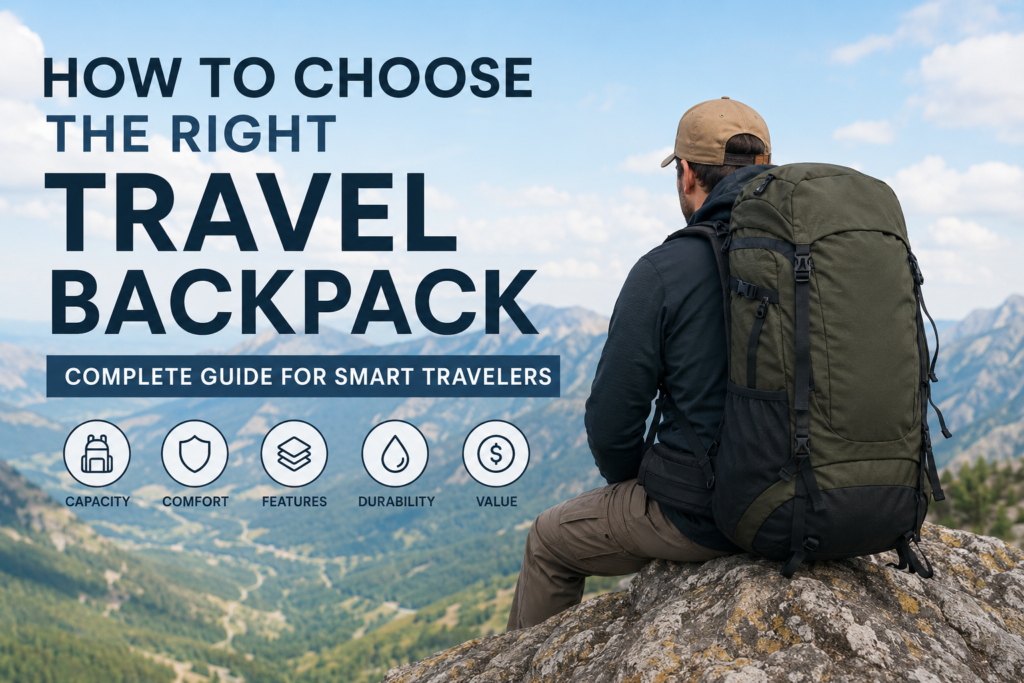
Choosing the right travel backpack is really about finding a balance between comfort, capacity, durability, organization, security, and price. There is no single backpack that is perfect for every traveler.
In my opinion, the best travel backpack is the one that fits your body, matches your travel style, holds what you genuinely need, and remains comfortable when you carry it for several hours.
Before buying, think carefully about your destinations, trip length, packing habits, transportation, electronics, and budget. Check the size, test the fit, inspect the materials, and make sure the compartments are useful for your everyday needs.
A good travel backpack can make packing easier and moving between destinations much more comfortable. Instead of choosing one simply because it looks attractive, take some time to understand what you actually need. When the backpack fits your travel habits, you can spend less time worrying about your luggage and more time enjoying the journey.
SEO Keywords: how to choose the right travel backpack, best travel backpack, travel backpack buying guide, backpack for traveling, choosing a travel backpack, travel backpack size, comfortable travel backpack, durable travel backpack, carry on travel backpack, backpack for long trips