 travelandlearns
Related Articles



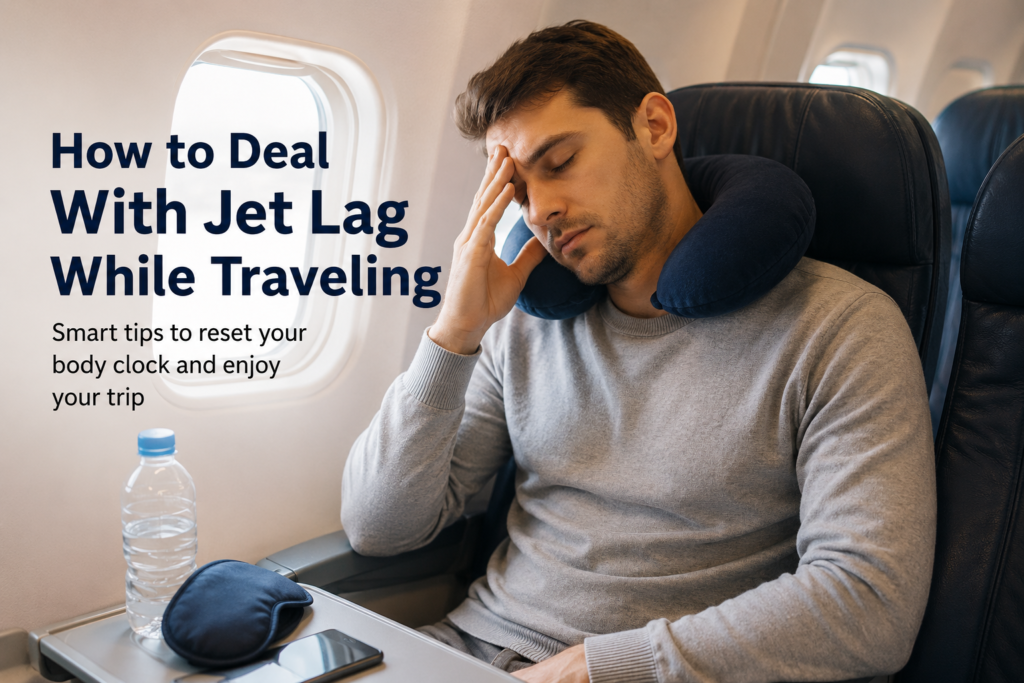
Traveling to a different time zone can be exciting, but jet lag can make the first few days of a trip feel much harder than expected. I have found that even when everything about a journey is planned properly, poor sleep, tiredness, headaches, and difficulty concentrating can affect the travel experience. The good thing is that jet lag is usually temporary, and with a few simple habits, it is possible to adjust to a new time zone more comfortably.
In this guide, I will share practical tips on how to deal with jet lag while traveling, including what to do before your flight, during the journey, and after reaching your destination.
What Is Jet Lag?
Jet lag happens when your internal body clock is out of sync with the local time at your destination. Your body may feel ready to sleep when it is daytime or feel energetic when everyone else is preparing for bed.
Jet lag is more common when traveling across several time zones, especially when flying long distances. Common symptoms can include tiredness, poor concentration, difficulty sleeping, irritability, and changes in appetite.
The number of time zones crossed can affect how strongly you experience jet lag. Traveling east can sometimes feel more difficult because your body needs to adjust to an earlier schedule.
Start Preparing Before Your Trip
One of the best ways to deal with jet lag is to prepare before you leave home. I do not recommend making a sudden change to your sleeping schedule the night before a long flight. Instead, try adjusting gradually if your schedule allows it.
A few days before traveling, move your bedtime and wake up time slightly toward the schedule of your destination. Even a small adjustment can make the transition easier.
For example, if you are traveling several hours ahead, try going to bed a little earlier each night. If your destination is several hours behind, you may benefit from staying awake slightly later.
You do not need to completely change your routine before the trip. The goal is simply to give your body a gentle introduction to the new schedule.
Change Your Clock When You Board
When I travel across multiple time zones, one simple trick I find useful is changing my phone or watch to the destination time once I board the aircraft.
This can help you mentally prepare for the new schedule. Instead of constantly thinking about the time at home, start thinking about what time it will be when you arrive.
If it is nighttime at your destination, try to rest during the flight. If it is daytime there, staying awake may help you begin adjusting sooner.
Of course, comfort and safety should always come first. You do not need to force yourself to sleep if you are unable to do so.
Get Enough Sleep Before Flying
Trying to stay awake all night before a long flight is usually not a good strategy. You may think that being extremely tired will help you sleep on the plane, but excessive sleep deprivation can make the entire journey much harder.
I prefer starting a long trip reasonably well rested. Good sleep before departure can help you handle the physical demands of flying and reduce the effects of tiredness after arrival.
A comfortable night of sleep may not completely prevent jet lag, but it can give your body a better starting point.
Stay Hydrated During the Flight
Long flights can leave you feeling tired and uncomfortable, so staying hydrated is important. Drink water regularly during the journey and avoid relying heavily on caffeinated or alcoholic drinks.
Alcohol may make some people feel sleepy initially, but it can interfere with good quality sleep. Too much caffeine can also make it harder to sleep when you actually need rest.
I find that keeping a bottle of water nearby is one of the simplest travel habits. It also encourages me to remember to drink regularly rather than waiting until I feel very thirsty.
Be Smart About Caffeine
Coffee can be useful when you are struggling with tiredness, but timing matters when dealing with jet lag.
If you arrive at your destination in the morning and need to stay awake, a moderate amount of caffeine may help you remain alert. However, drinking coffee late in the local day can make it harder to sleep at night.
The main goal is to use caffeine strategically rather than consuming it throughout the day.
If you already know that caffeine affects your sleep strongly, be even more careful about when you drink it.
Use Natural Light
Light is one of the most useful tools for adjusting your body clock. Spending time outdoors during the local daytime can help your body recognize that the new time zone is now your current schedule.
After arriving, try to spend some time outside rather than staying indoors all day. A walk, outdoor breakfast, or relaxed sightseeing can be a simple way to get daylight while also exploring your destination.
The timing of light exposure can matter when crossing many time zones, so travelers with complicated schedules may want to plan their light exposure carefully.
Avoid Long Daytime Naps
One of the biggest mistakes I see travelers make is taking a very long nap immediately after reaching their hotel.
You may feel exhausted and want to sleep for several hours, but a long daytime nap can make it much harder to sleep at night. It can also keep your body clock stuck on your old schedule.
If you absolutely need a nap, keeping it short may be more helpful. Set an alarm and try not to turn a quick rest into an entire afternoon of sleep.
If you arrive late in the day, it may be better to stay awake until a reasonable local bedtime.
Follow the Local Schedule
As soon as possible, start living according to local time. Eat meals at local meal times, go to bed according to the local schedule, and wake up in the morning based on the destination clock.
This can feel strange during the first day or two, especially if your body still thinks it is the middle of the night.
However, following the local schedule gives your body consistent signals about when it should be awake and when it should rest.
I find that trying to maintain the old schedule while traveling usually makes the adjustment take longer.
Keep Your First Day Simple
If you are dealing with serious jet lag, do not plan an exhausting itinerary for your first day.
Give yourself some breathing room. Instead of booking activities from early morning until late evening, choose a few important things and leave time for rest.
A relaxed first day can make a big difference. You can enjoy a nearby restaurant, take a gentle walk, explore the area around your hotel, and go to bed at a normal local time.
Once your body adjusts, you can enjoy a busier travel schedule.
Make Your Hotel Room Sleep Friendly
Your sleeping environment can make a big difference when you are trying to overcome jet lag.
Keep the room dark, quiet, and comfortable. If outside light is a problem, an eye mask can be useful. Earplugs or a white noise app may also help if the hotel is noisy.
Try to avoid spending too much time scrolling on your phone when you should be sleeping. Bright screens and stimulating content can make it harder to relax.
A simple bedtime routine can also tell your body that it is time to sleep.
Eat Light and Healthy Meals
Travel can easily disrupt normal eating habits. After a long flight, it can be tempting to eat heavy meals at unusual hours, but a balanced routine may help you feel more comfortable.
Choose simple meals with a good mix of protein, vegetables, fruits, and carbohydrates. Avoid eating very large meals immediately before going to bed if they make you uncomfortable.
Most importantly, try to follow local meal times. Regular meals can become another useful signal for your body as it adjusts to the new schedule.
Stay Physically Active
Gentle physical activity can help you stay alert during the daytime and feel ready for sleep at night.
You do not need to visit a gym after a long flight. A simple walk around the destination can be enough. Walking also gives you an opportunity to get natural daylight and explore your surroundings.
Avoid pushing yourself too hard when you are severely tired. The purpose is to support your adjustment, not to make yourself even more exhausted.
Give Your Body Time
One thing I have learned about jet lag is that there is no instant solution. Your body needs time to adjust, especially after crossing several time zones.
Some people adjust quickly, while others need several days. Instead of becoming frustrated, focus on maintaining a consistent local schedule.
Try to sleep at night, stay active during the day, get appropriate daylight, stay hydrated, and avoid habits that keep you awake at the wrong time.
Consistency is often more useful than trying ten different tricks at once.
What About Sleep Aids?
Some travelers consider using melatonin or other sleep aids to manage jet lag. These products may be useful for certain people, but they are not right for everyone.
If you are considering melatonin or another sleep product, especially if you take medications or have an existing health condition, it is better to speak with a qualified healthcare professional first.
Do not assume that taking more will make you adjust faster. Using any sleep related product should be done carefully and according to appropriate medical guidance.
Jet Lag Tips for a Better Trip
For me, the most practical approach to dealing with jet lag is to keep things simple. Prepare your sleep schedule before departure if possible. Change your clock to destination time. Drink water during the flight. Use caffeine carefully. Get daylight after arrival. Avoid long naps. Eat according to local time and try to sleep according to the new schedule.
Most importantly, do not expect yourself to feel perfect immediately after a long international flight.
Travel is supposed to be enjoyable, and giving your body time to adjust can make the experience much better.
Final Thoughts
Knowing how to deal with jet lag while traveling can make a major difference, especially when your trip involves several time zones. Jet lag can affect your sleep, energy, mood, and concentration, but simple habits can help your body adjust.
From my point of view, the best strategy is not to search for one magical solution. Instead, focus on a combination of good sleep, hydration, daylight, movement, sensible caffeine use, and a consistent local routine.
The first day may not feel perfect, and that is completely normal. Give yourself some time, listen to your body, and gradually settle into the new schedule. With the right approach, you can spend less time feeling exhausted and more time enjoying the destination you traveled so far to see.