 travelandlearns
Related Articles



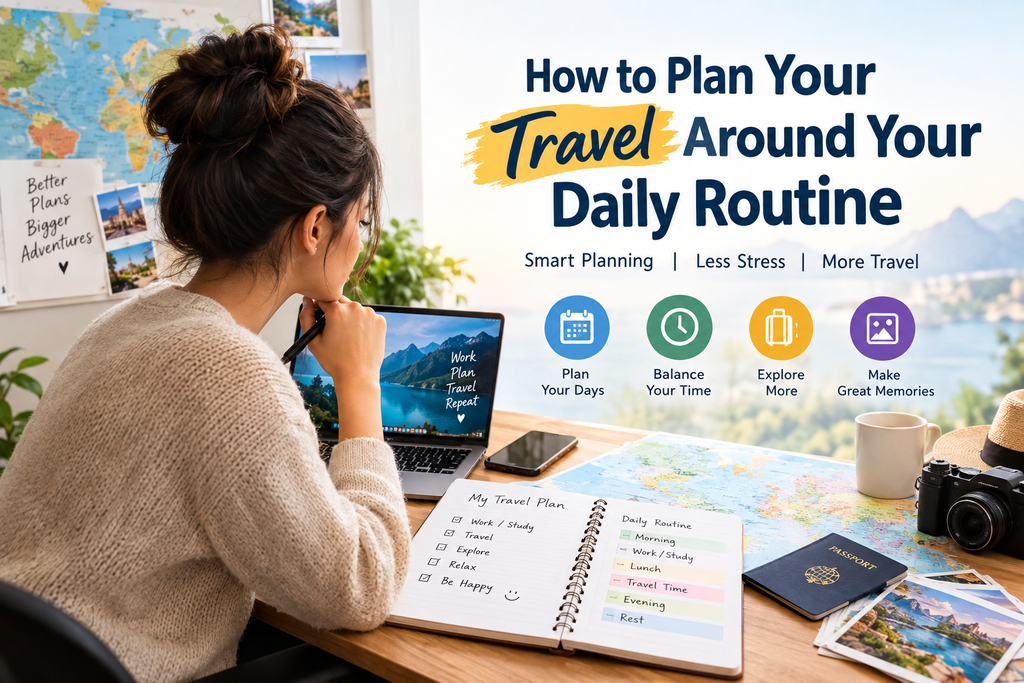
Traveling is exciting, but I have learned that a good trip is not only about choosing a beautiful destination. It is also about making sure the trip fits comfortably into your daily routine. When travel plans completely change your sleeping time, meals, work, study, exercise, and rest, the experience can become stressful instead of enjoyable. This is why I believe planning your travel around your daily routine is one of the simplest ways to enjoy a more comfortable vacation.
A daily routine gives us structure. We usually have certain times for waking up, eating breakfast, working, studying, exercising, relaxing, and sleeping. When planning a trip, instead of ignoring these habits, I prefer to consider them before making the itinerary. This makes travel easier to manage and gives me enough energy to enjoy the destination.
Understand Your Daily Routine First
Before planning your trip, take some time to understand your normal day. Think about when you usually wake up, when you feel most active, when you prefer to eat, and when you normally go to sleep.
For example, if you normally wake up at 7 AM and feel tired after 10 PM, planning activities until midnight every day may not be a good idea. Similarly, if you usually need quiet time in the afternoon, you can leave a few hours free instead of filling every moment with sightseeing.
I find it helpful to write down my basic routine before planning a vacation. You do not need to follow every habit perfectly while traveling, but knowing your normal schedule helps you create realistic travel plans.
Choose a Destination That Matches Your Lifestyle
The destination you choose can have a big effect on your daily routine. Some places are peaceful and slow, while others are busy and full of activities from morning until night.
If you enjoy relaxed mornings, choose a destination where you do not need to rush between attractions. If you enjoy outdoor activities, consider a place where hiking, walking, beaches, parks, or nature are easily accessible.
Your travel style should match your lifestyle as much as possible. In my opinion, a destination becomes more enjoyable when you can experience it without constantly fighting against your normal habits.
Plan Your Travel Time Carefully
Transportation is one of the most important parts of travel planning. A long flight, overnight bus, or early morning train can affect your entire routine.
When possible, choose transportation times that allow you to maintain your normal sleeping pattern. If you know that you do not function well after losing sleep, avoid planning an important sightseeing activity immediately after an overnight journey.
I also recommend leaving some free time after reaching your destination. Instead of rushing directly from the airport to several attractions, give yourself time to check in, eat something, relax, and become familiar with the surroundings.
Keep Your Meal Schedule Comfortable
Food is another important part of your daily routine. During travel, it is easy to skip meals because you are busy exploring. However, doing this can leave you tired and uncomfortable.
Try to keep your breakfast, lunch, and dinner times reasonably close to your normal schedule. You do not need to follow the exact same times every day, but having regular meals can help you maintain your energy.
I also like checking restaurants and food options before visiting a destination. Knowing where I can find a suitable meal saves time and prevents unnecessary stress when I am hungry after a long day of exploring.
Do Not Fill Every Hour With Activities
One mistake many travelers make is creating an itinerary that is too crowded. They try to visit every famous attraction in a short period.
I believe travel should include both activities and free time. Instead of planning something for every hour, leave gaps in your schedule. These gaps can be used for relaxing at your hotel, enjoying a coffee, walking around the neighborhood, or simply doing nothing.
Free time also gives you flexibility when something takes longer than expected. If your first activity is delayed, you will not have to cancel everything else.
Consider Your Work or Study Schedule
If you work or study while traveling, your routine becomes even more important. Before booking your trip, decide whether you need specific hours for work, online classes, assignments, or other responsibilities.
For example, you might reserve your mornings for work and explore the destination in the afternoon. Another option is to work for a few hours in the evening after spending the day sightseeing.
The best approach depends on your personal schedule. The important thing is to decide these hours before your trip instead of trying to figure everything out after arriving.
Keep Your Sleep Routine in Mind
Sleep can easily be disturbed during travel. Different time zones, late night activities, uncomfortable transportation, and unfamiliar surroundings can all affect your rest.
When planning your travel schedule, think about how much sleep you normally need. If you usually need seven or eight hours, make room for that in your itinerary.
I would rather visit fewer attractions while feeling fresh than visit many places while feeling exhausted. A vacation should give you good memories, not make you feel like you need another vacation when you return home.
Include Exercise If It Is Part of Your Routine
If exercise is already part of your lifestyle, there is no reason to completely stop during a trip. You can make simple adjustments instead.
Walking around a city can be a great form of exercise. You can also look for a hotel with a fitness area or choose activities such as swimming, hiking, cycling, or morning walks.
You do not have to follow your regular workout plan exactly. The goal is simply to keep some movement in your day and maintain the habits that make you feel good.
Create a Flexible Travel Itinerary
A flexible travel itinerary is much easier to manage than a strict schedule. I recommend dividing each day into simple sections rather than planning every minute.
For example, your morning could be reserved for sightseeing, your afternoon for lunch and a relaxed activity, and your evening for dinner and exploration. This gives you a general structure without making you feel restricted.
You can also create a list of optional activities. If you have extra energy, choose one. If you are tired, skip it. This approach gives you freedom while still keeping your travel plans organized.
Think About Your Energy Levels
Not everyone has the same energy pattern. Some people are morning travelers, while others enjoy exploring in the evening.
Pay attention to when you normally feel most energetic. If you are active in the morning, schedule important attractions during that time. If you prefer evenings, keep your mornings slower.
This simple adjustment can make a major difference. You are working with your natural routine instead of forcing yourself into a schedule that does not suit you.
Prepare for Unexpected Changes
Even the best travel plan can change. Flights can be delayed, weather can become unsuitable, attractions can close, and transportation can take longer than expected.
For this reason, I always think it is useful to have a backup plan. Keep a few indoor activities available in case of bad weather. Know another transportation option if your original choice is unavailable.
A flexible plan helps you stay calm when something unexpected happens.
Use Technology to Organize Your Routine
Travel apps and digital calendars can make planning much easier. You can use a calendar to record flights, hotel check in times, important activities, meals, and personal tasks.
Maps can help you group nearby attractions together. This reduces unnecessary travel time and gives you more time to relax.
I also recommend keeping important travel information in one place. Having your hotel details, transportation information, reservations, and itinerary easily accessible can make your trip much smoother.
Make Your Routine Part of the Experience
Planning travel around your daily routine does not mean spending your vacation following a strict timetable. Instead, it means creating a travel experience that feels natural to you.
If you enjoy slow mornings, have slow mornings. If you like exercising, make time for exercise. If you need an afternoon break, include one. If you enjoy exploring at night, plan your activities accordingly.
In my view, the best travel plans are those that balance exploration with personal comfort.
Final Thoughts
Learning how to plan your travel around your daily routine can make a big difference in the quality of your trip. By understanding your normal schedule, choosing a suitable destination, planning transportation carefully, maintaining regular meals and sleep, and leaving enough free time, you can create a vacation that feels enjoyable instead of exhausting.
You do not need to follow your routine perfectly while traveling. Travel is also about trying new things and enjoying unexpected experiences. The main idea is to use your routine as a guide rather than treating it as a strict rule.
With a little preparation, you can build a flexible travel itinerary that gives you time to explore, relax, eat well, sleep properly, and enjoy the destination at your own pace. For me, that balance is what turns an ordinary trip into a truly memorable travel experience.