 travelandlearns
Related Articles



Planning a vacation is exciting because it gives us something special to look forward to. We choose a destination, book accommodation, arrange transportation, prepare our bags, and create a list of places we want to visit. However, even the best vacation plan can face unexpected problems. A flight can be delayed, a hotel reservation can be changed, bad weather can affect outdoor activities, or a planned attraction may suddenly close.
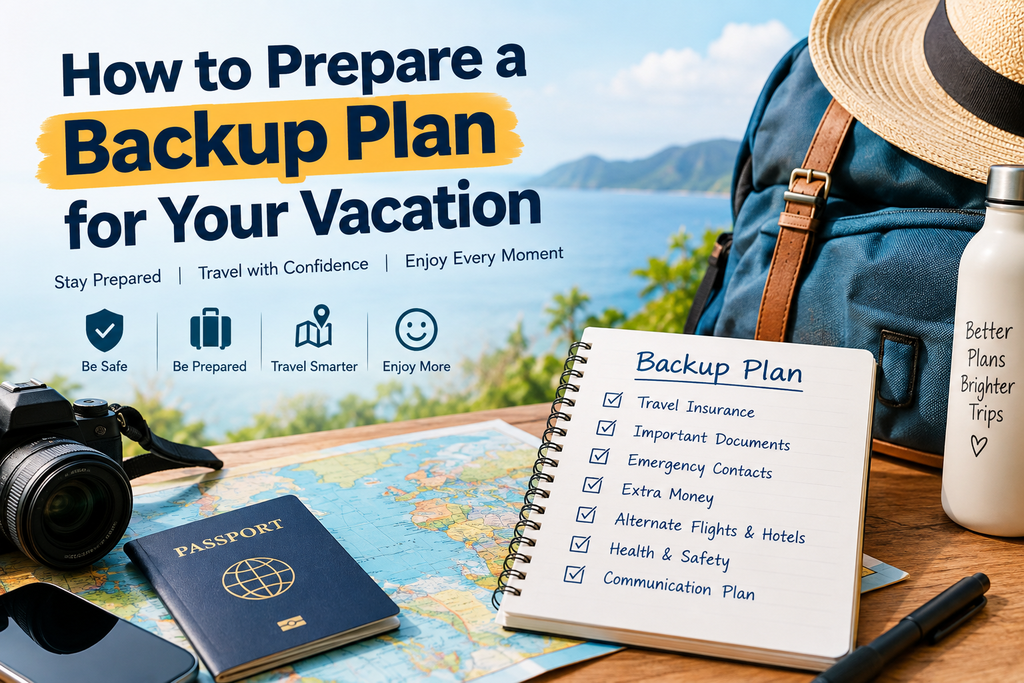
From my point of view, this is why preparing a backup plan for your vacation is just as important as making the original travel plan. A good backup plan does not mean expecting your trip to go badly. It simply means being prepared so a small problem does not turn into a major travel headache.
In this guide, I will explain how I prepare a simple and practical vacation backup plan that can help make a trip more comfortable, flexible, and stress free.
Why You Need a Vacation Backup Plan
Many travelers focus only on their main itinerary. They know where they want to go and what they want to do, but they do not think about what they will do if something changes.
A backup plan gives you alternative options. If your original plan does not work, you already have another choice available. This can save time, money, and unnecessary stress.
For example, if you planned to spend a day at the beach but heavy rain arrives, you can already have a museum, shopping area, indoor attraction, or local restaurant on your alternative list.
The main idea is simple. Do not create a complicated second vacation. Just prepare a few practical alternatives for the most important parts of your trip.
Check Your Transportation Alternatives
Transportation is one of the most important areas to consider when creating a vacation backup plan. Flights, trains, buses, and rental cars can sometimes experience delays, cancellations, or other unexpected problems.
Before traveling, I recommend checking alternative transportation options. If you are flying, look at other flights that could take you to your destination. If you are using a train or bus, check whether another service operates on the same route.
It is also useful to know how you can reach your hotel if your original transportation changes. Save the names of local taxi services, public transportation options, and reliable ride services.
You do not necessarily need to book everything in advance. Knowing your alternatives is often enough.
Have a Backup Accommodation Option
Your hotel or vacation rental is another important part of your travel plan. Although most reservations go smoothly, problems can happen. A property might cancel a reservation, have an unexpected maintenance problem, or fail to meet your expectations.
When I travel, I find it useful to know at least two or three alternative accommodations in the same area. Check their location, approximate price, reviews, and availability before the trip.
You can save the information on your phone so you do not have to search from the beginning if something goes wrong.
This is especially useful when traveling during busy seasons because affordable rooms can become difficult to find at the last minute.
Prepare for Bad Weather
Weather can completely change a vacation itinerary. A sunny day can become rainy, extremely hot, windy, or cold. Outdoor activities are usually the first plans affected by changing weather conditions.
When creating your vacation itinerary, include indoor activities as alternatives. Museums, cultural centers, shopping areas, restaurants, cafes, libraries, indoor entertainment centers, and historical sites can be useful options.
If your destination is known for unpredictable weather, check the forecast before leaving and adjust your plans when necessary.
I believe a flexible itinerary is much better than trying to force yourself to follow a plan that no longer makes sense because of the weather.
Keep Important Documents Safe
Travel documents should always be part of your backup planning. Losing a passport, booking confirmation, identification document, or important travel information can create serious problems.
Keep digital copies of important documents in a secure location that you can access when needed. You can also keep separate physical copies of essential information.
Your backup information may include passport details, hotel reservations, flight information, travel insurance details, emergency contacts, and important phone numbers.
Avoid keeping all important information in only one place. If your phone is lost or damaged, having another secure way to access essential information can be extremely helpful.
Create an Emergency Money Plan
Money problems can make a vacation stressful very quickly. A card may not work, an ATM may be unavailable, or an unexpected expense may appear.
For this reason, I recommend having a small emergency travel fund separate from your regular vacation spending money.
You can also consider carrying more than one payment method. For example, you might have a primary card and another payment option stored separately.
The goal is not to carry a large amount of cash. The goal is simply to avoid being completely dependent on one payment method.
Make a List of Important Contacts
A simple emergency contact list can be very useful during travel. Save the contact information for your accommodation, transportation providers, travel insurance company, family members, and relevant local emergency services.
If you are traveling internationally, it is also useful to know where your country’s embassy or consulate is located.
I suggest keeping these details both on your phone and somewhere secure offline. This gives you another option if your phone battery dies or you have trouble accessing the internet.
Prepare an Alternative Daily Itinerary
You do not need to create a complete second itinerary for your vacation. Instead, prepare one or two alternatives for each important day.
For example, your original plan may be:
Morning: sightseeing
Afternoon: outdoor activity
Evening: local restaurant
Your backup plan could be:
Morning: museum
Afternoon: indoor shopping area
Evening: another restaurant
This approach makes vacation planning much easier because you are not starting from zero when something changes.
Download Useful Travel Information
Internet access is not always reliable when traveling. You may visit an area with weak service, run out of mobile data, or experience problems with your phone connection.
Before your trip, download important maps, booking confirmations, tickets, addresses, and travel information when possible.
Take screenshots of information you may need quickly. Write down important addresses as well.
Offline information can be especially useful when arriving in a new destination and trying to find your accommodation.
Think About Health and Personal Needs
A good vacation backup plan should also consider basic health and personal needs. Pack essential personal items and any regular necessities you may need during your trip.
It is also helpful to know where nearby pharmacies, clinics, or hospitals are located, especially if you are traveling with children, older family members, or anyone who may need extra support.
Travel insurance can also provide valuable protection depending on your destination and circumstances. Before traveling, understand what your policy covers and keep the relevant information accessible.
Share Your Backup Plan
If you are traveling with family or friends, make sure everyone knows the basic backup plan.
You do not need to give everyone a huge document. Simply explain what you will do if transportation changes, the hotel becomes unavailable, or the weather affects your plans.
For family vacations, this can be particularly helpful because children and other family members may become stressed when plans suddenly change. Having a clear alternative can make the situation easier for everyone.
Stay Flexible During Your Vacation
One of the biggest lessons I have learned from travel planning is that flexibility matters more than perfection.
A vacation is not a test where you have to complete every activity on your list. Sometimes the best travel memories come from unexpected changes.
If a restaurant is closed, try another one. If rain changes your outdoor plans, explore an indoor attraction. If transportation is delayed, use the extra time to relax or discover something nearby.
Your backup plan should support your vacation rather than control it.
Final Thoughts
Preparing a backup plan for your vacation is one of the simplest ways to make travel more comfortable. You do not need to plan every possible problem. Instead, focus on the situations that are most likely to affect your trip.
Check alternative transportation, keep another accommodation option in mind, prepare indoor activities for bad weather, protect your important documents, maintain an emergency money option, save important contacts, and download useful travel information.
From my point of view, the best vacation backup plan is simple, practical, and flexible. You may never need to use it, and that is actually a good thing. But knowing that you have another option can give you confidence throughout your journey.
A little preparation before leaving home can make a big difference when something unexpected happens. Instead of panicking, you can simply look at your alternatives and continue enjoying your vacation.