 travelandlearns
Related Articles


Traveling is one of my favorite ways to experience new places, meet different people, and create memories that stay with me for years. However, I have also learned that a good trip is not only about booking flights and finding a comfortable hotel. It is also about being prepared for things that may not go according to plan. This is where travel insurance can make a real difference.
Many travelers hear the words travel insurance and immediately think it is complicated, expensive, or unnecessary. In my opinion, understanding it is much easier than most people think. Travel insurance is basically a financial safety net that can help protect you from certain unexpected problems before or during a trip.
In this guide, I will explain travel insurance in simple words, including what it covers, what it usually does not cover, how to choose a policy, and why it can be worth considering.
What Is Travel Insurance?
Travel insurance is a type of insurance designed to protect travelers from specific unexpected expenses or problems related to a trip. Depending on the policy, it may provide coverage for medical emergencies, trip cancellations, lost baggage, travel delays, and other situations.
The important thing to understand is that every travel insurance policy is different. One policy may offer extensive medical coverage, while another may focus more on cancellation protection. This is why I believe reading the policy details is just as important as comparing the price.
Travel insurance does not guarantee that every problem will be paid for. Instead, it provides protection for situations that are specifically included in the policy.
Why Is Travel Insurance Important?
When planning a vacation, most people focus on flights, hotels, food, sightseeing, and activities. Nobody wants to think about an emergency or a canceled trip.
Unfortunately, unexpected things can happen.
A flight may be delayed. Your luggage may arrive several days late. You may need emergency medical treatment while abroad. A family emergency could force you to cancel your vacation.
These situations can become expensive very quickly.
This is why I see travel insurance as a way of reducing financial risk. You pay a relatively small amount for the policy, and in return you may receive protection against certain covered losses.
It does not remove every travel problem, but it can make a difficult situation easier to manage.
What Does Travel Insurance Usually Cover?
The exact benefits depend on the insurance provider and policy, but several types of coverage are common.
Emergency Medical Expenses
Medical coverage is one of the most important reasons travelers consider insurance.
If you become sick or injured during an international trip, medical treatment can sometimes be very expensive. A travel insurance policy may help cover eligible emergency medical expenses according to its terms and limits.
Some policies may also include emergency evacuation or transportation when medically necessary.
Before purchasing a policy, I recommend checking the medical coverage limit, exclusions, deductible, and whether your destination has any special requirements.
Trip Cancellation
Trip cancellation coverage may help if you have to cancel a prepaid trip for a reason that is covered by your policy.
For example, certain policies may cover specific serious illnesses, injuries, or other qualifying circumstances.
However, simply changing your mind about traveling does not automatically mean you can receive your money back.
This is an important point because many travelers assume cancellation insurance means they can cancel for any reason. That is not always true.
If you want more flexibility, you should specifically look for a policy that offers appropriate cancellation options.
Trip Interruption
Trip interruption coverage is different from trip cancellation coverage.
Cancellation generally applies when you need to cancel your trip before leaving. Trip interruption may apply when something covered happens after your journey has already started and you need to return home early.
For example, if a qualifying emergency requires you to cut your vacation short, a policy may help with certain additional transportation or unused prepaid expenses, depending on the terms.
Lost or Delayed Baggage
Luggage problems are another common travel frustration.
If your checked baggage is lost, stolen, or delayed, travel insurance may provide reimbursement for eligible expenses or belongings under the policy conditions.
Some policies may also provide money for essential items when baggage is delayed for a specified period.
I always recommend keeping receipts for purchases made because of a covered baggage delay. Documentation can be important when making a claim.
Travel Delays
Travel delays can create additional costs for meals, accommodation, and transportation.
Certain travel insurance policies may provide benefits when a covered delay lasts longer than the required period.
Again, the exact amount and conditions vary. Before assuming something is covered, check the policy wording.
What Does Travel Insurance Usually Not Cover?
Understanding exclusions is just as important as understanding benefits.
Travel insurance does not normally cover every possible situation.
For example, some policies may exclude certain pre existing medical conditions unless specific requirements are met or additional coverage has been purchased.
High risk activities may also have limitations. If your vacation includes activities such as extreme sports, diving, or other adventurous activities, you should check whether they are covered.
Traveling against official restrictions, ignoring reasonable safety precautions, or making claims for situations that fall outside the policy can also create problems.
Another common misunderstanding is that travel insurance covers everything that goes wrong. It does not.
The best approach is to read the exclusions before buying the policy instead of discovering them after an incident.
How Much Does Travel Insurance Cost?
There is no single price for travel insurance.
The cost can depend on several factors, including your destination, trip length, age, number of travelers, coverage level, and the total cost of the trip.
A basic policy may cost less than a comprehensive policy with higher medical and cancellation limits.
In my view, the cheapest policy is not automatically the best policy. Saving a little money upfront is not very useful if the policy does not provide the protection you actually need.
Instead of looking only at price, I would compare the coverage limits, exclusions, deductibles, cancellation benefits, medical protection, and claim process.
How Do You Choose the Right Travel Insurance?
Choosing travel insurance becomes much easier when you first understand your trip.
Start by asking yourself a few simple questions.
Where am I traveling?
How long will I be away?
How much money have I already spent on flights and hotels?
Will I participate in adventure activities?
Do I need international medical coverage?
Could I face a significant financial loss if I had to cancel?
Once you understand your own needs, you can compare policies more intelligently.
I also recommend checking the insurance company’s reputation and understanding how claims are handled. A policy is useful only if you understand how to use it when something goes wrong.
Read the Fine Print
I know that reading insurance documents is not the most exciting part of planning a vacation, but it is worth doing.
Pay attention to coverage limits, deductibles, exclusions, waiting periods, eligible reasons for cancellation, medical conditions, baggage limits, and claim requirements.
For example, a policy may advertise a large baggage benefit, but there could be individual limits for expensive items such as cameras, laptops, or jewelry.
Understanding these details before traveling can prevent unpleasant surprises later.
When Should You Buy Travel Insurance?
The best time to buy travel insurance depends on the policy and the type of protection you want.
Many travelers purchase insurance soon after making major prepaid travel arrangements because some benefits may have timing requirements.
Waiting until something goes wrong obviously defeats the purpose of insurance.
I prefer to think of travel insurance as part of the initial trip planning process rather than something to consider at the last minute.
What Should You Do If You Need to Make a Claim?
If something goes wrong during your trip, stay calm and collect documentation.
Keep receipts, booking confirmations, medical records, police reports when appropriate, airline documents, and other evidence related to the incident.
Contact the insurance company as soon as reasonably possible and follow its instructions.
Do not throw away documents that could support your claim.
The more organized your records are, the easier it may be to explain what happened and provide the information requested by the insurer.
Is Travel Insurance Worth It?
This is one of the most common questions travelers ask.
In my opinion, it depends on the trip and your personal circumstances.
For a short, inexpensive domestic trip, you may decide that insurance is not necessary. However, an expensive international vacation can involve much greater financial risk.
Think about the amount of money you could lose if your trip were canceled or interrupted. Then consider the potential cost of an unexpected medical emergency abroad.
For some travelers, having that protection can provide valuable peace of mind.
The important thing is to make an informed decision rather than buying insurance simply because someone says you should or skipping it because you think nothing will happen.
Common Travel Insurance Mistakes
One mistake is buying a policy without reading the coverage details.
Another is assuming that all medical problems are automatically covered.
Some travelers also forget to check whether their planned activities are included.
Another common mistake is failing to keep receipts and supporting documents after an incident.
Finally, some people compare policies only by price. A cheaper policy may have lower limits or more exclusions, so price should not be the only factor.
Final Thoughts
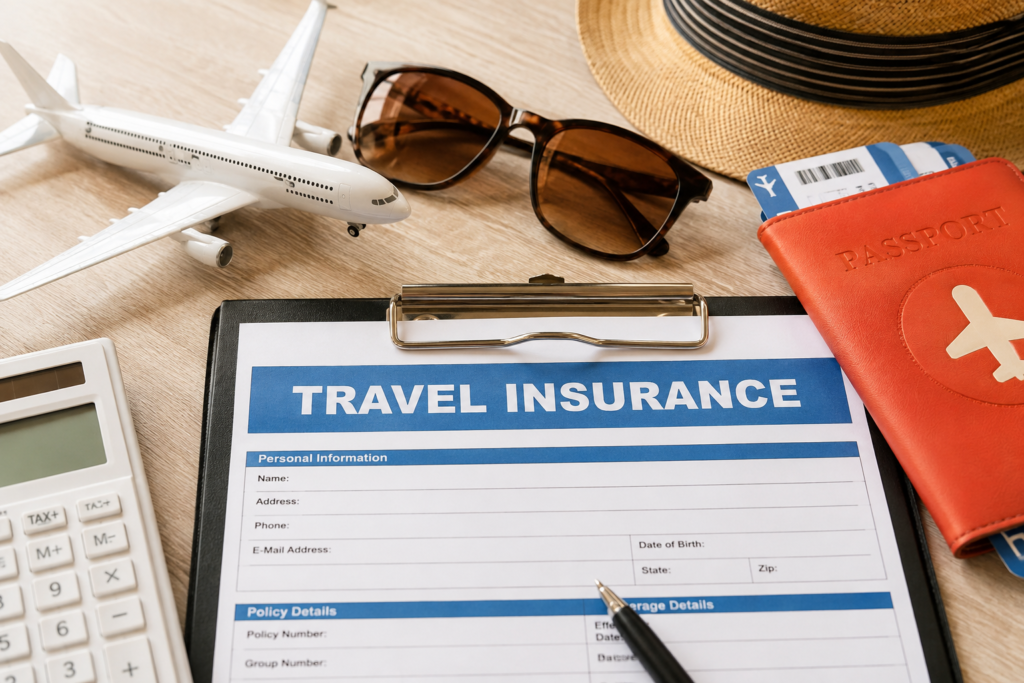
Travel insurance may sound complicated at first, but the basic idea is quite simple. You pay for protection against certain unexpected problems that could create financial losses during your journey.
From medical emergencies and trip cancellations to baggage problems and travel delays, the right policy can provide useful support when your travel plans do not go as expected.
For me, good travel planning is about more than deciding where to go. It is about preparing for the journey realistically. Travel insurance is one part of that preparation.
Before buying a policy, compare your options, read the coverage details, understand the exclusions, and make sure the policy matches your trip.
Most importantly, remember that travel insurance is not a promise that every problem will be paid for. It is protection for specific covered situations.
When you understand what you are buying, travel insurance becomes much less confusing and much easier to evaluate. And once you have taken care of the practical side of your trip, you can focus on what traveling is really about: enjoying new places, discovering new experiences, and making memories along the way.