 travelandlearns
Related Articles
Traveling has always been one of my favorite ways to learn new things, meet different people, and create unforgettable memories. Many people believe that traveling is only for those who have a lot of money, but I completely disagree with that idea. In my experience, anyone can travel on a limited budget if they plan wisely and make smart decisions before the trip begins.
When I planned my first budget trip, I was nervous because I thought I would spend more money than expected. After doing proper research and creating a simple plan, I realized that traveling does not have to be expensive. It is more about making the right choices than having a big budget.
If you are planning your first affordable trip, this guide will help you understand everything you need to know. These are the same practical ideas that I personally believe every beginner should follow.
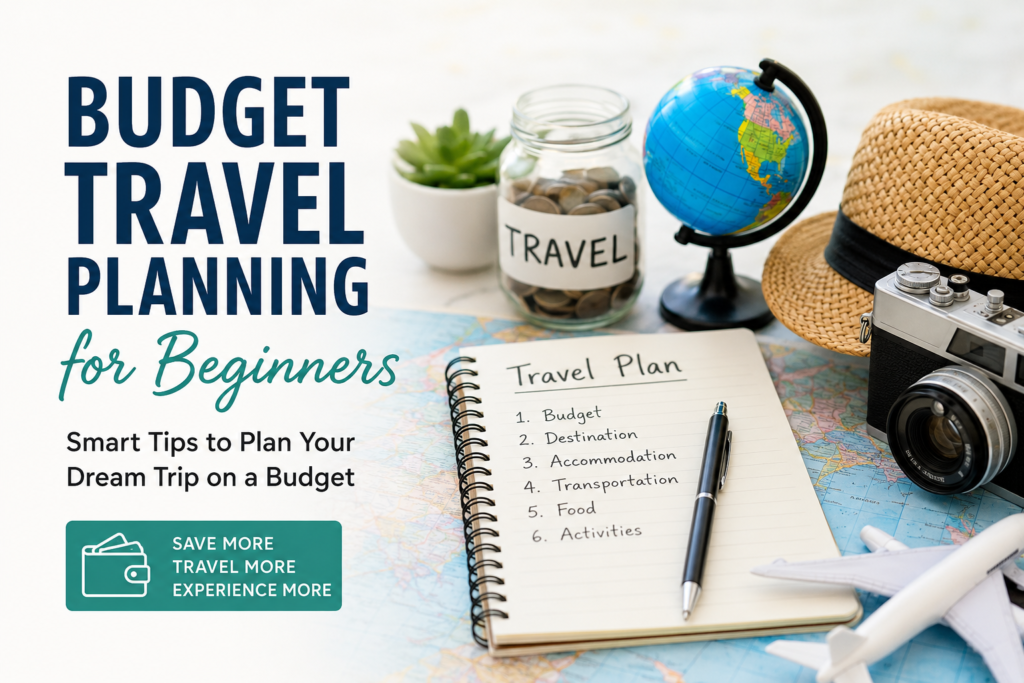
Understand Your Total Budget
The first thing I always do before planning any trip is decide how much money I can comfortably spend. This helps me avoid financial stress during and after the journey.
Instead of planning a destination first, I recommend deciding your budget first. Once you know how much you can spend, it becomes much easier to choose transportation, accommodation, food, and activities.
I usually divide my travel budget into different sections such as transportation, hotel, meals, sightseeing, shopping, and emergency expenses. This simple method keeps my spending under control throughout the trip.
Choose an Affordable Destination
One of the biggest mistakes beginners make is selecting a destination simply because it is popular on social media. Famous tourist destinations are often expensive, especially during peak seasons.
I prefer choosing destinations where the local cost of living is lower. These places usually offer affordable hotels, cheaper food, and budget friendly transportation.
Sometimes exploring a nearby city or a hidden destination gives a much better experience than visiting an overcrowded tourist attraction.
Before making a final decision, I compare hotel prices, transportation costs, weather conditions, and local attractions.
Travel During the Off Season
One lesson I learned very quickly is that timing can save a lot of money.
Hotels, flights, and tourist activities usually become much cheaper during the off season. Not only do I spend less, but I also enjoy peaceful attractions without huge crowds.
For example, traveling a few weeks before or after the busiest holiday season can reduce travel expenses significantly.
If your schedule is flexible, avoid traveling during school holidays and major festivals because prices usually increase during those periods.
Book Flights Early
Whenever I need to travel by air, I try to book my ticket several weeks or even months in advance.
Airlines often offer lower fares for early bookings compared to last minute reservations.
I also compare prices on multiple travel websites before making a final purchase. Sometimes changing the departure date by just one or two days can save a surprising amount of money.
If possible, I also consider nearby airports because flights from smaller airports are sometimes cheaper.
Find Budget Friendly Accommodation
Accommodation usually takes a large portion of the travel budget.
Instead of automatically booking expensive hotels, I always compare different options.
Budget hotels, guest houses, hostels, and vacation rentals often provide excellent value for money.
If I am traveling with friends or family, renting an apartment is usually more affordable than booking multiple hotel rooms.
I always read genuine guest reviews before making a reservation because low prices are only worthwhile if the accommodation is clean, safe, and comfortable.
Pack Smart Before Leaving
Packing properly saves both money and stress.
I prepare a checklist several days before my trip to avoid forgetting important items.
I always pack comfortable clothes, personal medicines, chargers, reusable water bottles, toiletries, and travel documents.
Buying forgotten items at tourist destinations usually costs much more than purchasing them at home.
Packing light also helps me avoid extra baggage fees when flying.
Use Public Transportation
Whenever I visit a new city, I try using buses, trains, or metro systems instead of taxis.
Public transportation is usually much cheaper and gives me a better opportunity to experience local life.
Many cities also offer daily or weekly transportation passes that reduce travel costs even further.
Walking is another great option whenever attractions are located close to each other. It saves money while allowing me to discover hidden streets, local cafes, and interesting places that I might otherwise miss.
Save Money on Food
Food is one of my favorite parts of traveling, but it can also become expensive if I eat at tourist restaurants every day.
I enjoy trying local restaurants where residents usually eat because the food is often more authentic and reasonably priced.
Street food can also be a wonderful experience as long as it comes from clean and popular vendors.
Sometimes I buy snacks, fruits, and drinks from local supermarkets instead of convenience stores near tourist attractions.
If my accommodation includes a small kitchen, I occasionally prepare simple meals myself, which helps reduce expenses.
Plan Activities in Advance
Before arriving at my destination, I make a list of places I want to visit.
Many museums, parks, cultural sites, and attractions offer discounted tickets when booked online.
Some cities even provide free walking tours where visitors only pay a voluntary tip to the guide.
I also search for free attractions such as beaches, hiking trails, historical neighborhoods, public gardens, and local markets.
These experiences often become the most memorable part of the journey without increasing the travel budget.
Avoid Unnecessary Shopping
When traveling, it is easy to spend too much money on souvenirs.
I have learned that not every souvenir is worth buying.
Instead of purchasing many small items, I prefer buying one meaningful keepsake that reminds me of the trip.
Taking beautiful photographs is another wonderful way to preserve memories without spending extra money.
Keep an Emergency Fund
No matter how carefully I plan, unexpected situations can happen.
Flights may be delayed, luggage could be lost, or medical expenses may suddenly appear.
For this reason, I always keep a separate emergency fund that I never use unless absolutely necessary.
Having emergency money provides peace of mind and makes the trip much less stressful.
Use Travel Apps
Modern technology has made budget travel much easier than before.
I regularly use travel apps to compare hotel prices, find public transportation routes, discover affordable restaurants, and navigate unfamiliar cities.
Offline maps are especially useful because they continue working even without an internet connection.
Keeping all travel bookings and important documents on my phone also makes the journey much more organized.
Create a Daily Spending Limit
One habit that has helped me save money on every trip is setting a daily budget.
Instead of spending freely on the first few days, I calculate how much I can spend each day based on my total travel budget.
If I spend less on one day, I can enjoy a slightly bigger activity on another day without exceeding my overall budget.
This simple strategy prevents overspending and helps me stay financially comfortable throughout the journey.
Stay Safe While Saving Money
Saving money should never come at the cost of personal safety.
I avoid booking accommodations in unsafe neighborhoods just because they are cheaper.
I also keep copies of my passport, identification documents, travel insurance, and important phone numbers.
Using secure payment methods and staying aware of common tourist scams helps protect both my money and my personal belongings.
A safe trip is always more valuable than a cheap trip.
Learn Basic Local Phrases
Whenever I travel to a place where people speak a different language, I try to learn a few simple phrases.
Knowing how to say hello, thank you, excuse me, and how much does this cost makes communication much easier.
Local people usually appreciate the effort, and it often creates friendlier conversations.
Good communication can also help avoid misunderstandings while shopping or using transportation.
Be Flexible With Your Plans
One thing I have realized after traveling is that flexibility often leads to better experiences.
Sometimes changing travel dates, choosing another hotel, or visiting a different attraction can save a significant amount of money.
Instead of following a strict schedule, I leave some free time for unexpected opportunities.
Some of my best travel memories happened because I was open to changing my original plans.
Final Thoughts
Budget travel is not about giving up comfort or missing enjoyable experiences. In my opinion, it is about making thoughtful decisions, planning ahead, and spending money wisely.
Every successful budget trip starts with good preparation. Choosing the right destination, booking early, using public transportation, eating local food, and keeping track of expenses can make a huge difference.
I believe beginners should not wait until they have a large amount of money before they start exploring the world. Even a small travel budget can create unforgettable memories if it is managed carefully.
Every journey teaches something new, builds confidence, and introduces us to different cultures and perspectives. With smart planning and a positive mindset, budget travel becomes not only possible but also one of the most rewarding experiences anyone can enjoy.