 travelandlearns
Related Articles
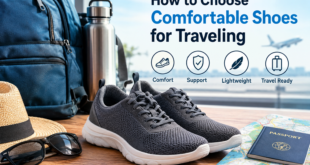
Choosing the right travel shoes can make a big difference in how much you enjoy a trip. From my point of view, comfortable travel shoes are one of those things that people often underestimate until they spend an entire day walking around with sore feet. A beautiful destination can quickly become less enjoyable when your shoes are uncomfortable.
When I choose travel shoes, I do not only look at their appearance. I think about comfort, support, weight, durability, weather, and the type of activities I expect to do during the trip. The best travel shoes are the ones that feel comfortable after several hours, not just the ones that look good when I first put them on.
In this guide, I will share the things I personally consider when choosing comfortable travel shoes so you can make a better decision before your next journey.
Consider Your Travel Destination
The first thing I consider when choosing travel shoes is the destination. Different places require different types of footwear.
If I am visiting a city where I expect to walk through streets, museums, markets, shopping areas, and tourist attractions, I usually prefer lightweight walking shoes or comfortable sneakers. For a beach destination, breathable shoes or sandals can be more practical.
If the trip involves hiking, uneven trails, or outdoor activities, I would choose shoes with better grip and stronger support. On the other hand, a cold weather destination may require insulated and water resistant footwear.
There is no single pair of shoes that is perfect for every type of trip. Thinking about the destination first helps narrow down the options.
Focus on Comfort First
When choosing comfortable travel shoes, comfort should always be one of the main priorities. I believe a shoe should feel good from the moment you put it on.
A shoe that looks stylish but creates pressure around your toes or heel can become a problem after several hours of walking. Travel often involves more walking than we expect, so small discomfort can become much more noticeable during the day.
I recommend walking around in the shoes before buying them if possible. Take several steps, turn around, and pay attention to how your feet feel. Do not judge a shoe only by how it feels while standing still.
Choose the Right Shoe Size
Getting the correct size is extremely important for travel footwear. Shoes that are too small can create pressure on your toes, while shoes that are too large may cause your feet to slide around.
I prefer trying shoes on with the type of socks I plan to wear during my trip. This gives me a better idea of how they will actually feel when traveling.
It is also worth remembering that feet can swell after a long day of walking or during long periods of sitting. For this reason, shoes should have enough room to remain comfortable without feeling loose.
Never assume that your usual size will fit perfectly in every brand. Shoe sizing can vary, so comfort should be the final test.
Look for Good Arch Support
Arch support is another important feature when choosing travel shoes. If I know I will be walking for several hours each day, I prefer shoes that provide a comfortable and supportive base.
Good support can make walking feel more comfortable and can reduce the feeling of tired feet. However, everyone’s feet are different, so there is no single level of support that works for everyone.
When trying shoes, I pay attention to whether the sole feels supportive without being excessively hard. The shoe should feel stable while still allowing natural movement.
Pay Attention to Cushioning
Comfortable travel shoes usually need some level of cushioning, especially if you plan to walk on hard city surfaces.
Concrete and pavement can be tiring when you spend many hours walking. A well cushioned sole can make the experience more comfortable.
I personally prefer balanced cushioning rather than an extremely soft sole. A shoe that feels too soft may not provide the stability I want, while a shoe that is too firm can become uncomfortable during long walks.
The ideal amount of cushioning depends on your personal preference and the type of walking you will be doing.
Choose Lightweight Shoes
Weight matters more than many travelers realize. Heavy shoes can make your luggage heavier and may also make walking feel more tiring.
For everyday sightseeing, I generally prefer lightweight travel shoes that are easy to walk in and easy to pack.
If I need specialized footwear for hiking or difficult terrain, I accept a little extra weight because support and grip become more important. For normal city travel, however, lightweight footwear is usually more practical.
If you are trying to pack light, choosing a versatile lightweight pair can also reduce the number of shoes you need to carry.
Check the Breathability
Breathable travel shoes can be especially useful in warm weather. When feet become hot and sweaty, walking for long periods can become uncomfortable.
Shoes made with breathable materials can allow more airflow and make your feet feel fresher. This is something I pay attention to when traveling to warmer destinations.
For hot climates, I usually look for lightweight materials and a design that does not feel overly enclosed. For colder or rainy destinations, however, weather protection may be more important than maximum breathability.
The best choice depends on the conditions you expect to experience.
Consider Weather Conditions
Weather should always be part of the decision when choosing travel shoes. A pair that works perfectly on a sunny city trip may not be ideal during rainy weather.
If rain is likely, I prefer shoes that offer some water resistance and have a sole with good traction. Wet streets can become slippery, so grip is important.
For snowy destinations, normal sneakers may not provide enough warmth or protection. In those situations, insulated footwear with appropriate traction is a better choice.
Checking the expected weather before your trip can help you avoid taking shoes that are unsuitable for the conditions.
Look for Good Grip
The sole of a travel shoe plays an important role in stability. I always check the bottom of a shoe before buying it, especially when I expect to walk on different surfaces.
Good traction can be useful on wet sidewalks, stone streets, trails, stairs, and other uneven surfaces.
For city travel, you may not need an aggressive hiking style sole. A moderate amount of traction can be enough for everyday walking while keeping the shoes comfortable and relatively lightweight.
For hiking or outdoor travel, stronger traction becomes much more important.
Break In Your Shoes Before Traveling
One of the biggest mistakes I recommend avoiding is taking completely new shoes on a trip without testing them first.
Even a pair that feels comfortable in a store may cause rubbing or pressure after several hours. That is why I like to wear new travel shoes around the house and on shorter walks before traveling.
Breaking them in gives me a chance to discover any problems before the trip. If the shoes cause blisters or discomfort, I still have time to find another option.
I would never want the first serious test of a new pair of shoes to happen during a long day of sightseeing.
Choose Versatile Travel Shoes
For many travelers, versatility is more useful than having several specialized pairs. A good pair of travel shoes should ideally work with different outfits and activities.
For example, a clean and simple pair of comfortable sneakers may work for sightseeing, restaurants, shopping, airports, and casual evenings.
If I can wear the same shoes for several situations, I can save space in my luggage. This is especially useful when traveling with a small suitcase or carry on bag.
A versatile design can also make packing much easier.
Do Not Ignore the Heel Area
The heel is another area that deserves attention. If the back of a shoe constantly rubs against your heel, it can quickly cause irritation or blisters.
When trying travel shoes, I walk around and check whether my heel stays comfortably in place. Excessive movement can be a sign that the shoe is not fitting properly.
Some shoes also have padded heel collars that provide extra comfort. I find these useful when I know I will be walking for long periods.
Think About Your Socks
Even the best travel shoes can feel uncomfortable if you wear the wrong socks. I prefer comfortable socks that fit properly and work well with the weather.
For warm destinations, breathable socks can help manage moisture. In colder environments, warmer socks may provide additional comfort.
It is also important to make sure the shoes have enough room when worn with your chosen socks. Testing both together before your trip can prevent surprises.
Keep a Backup Option When Necessary
For longer trips, I sometimes think it is worth carrying a second pair of footwear, especially if the destination involves different activities.
For example, comfortable sneakers can work for city walking while lightweight sandals may be useful for relaxing or warm weather.
However, I do not recommend packing several pairs simply because you might need them. Extra shoes take up valuable luggage space. I prefer choosing one main pair that handles most situations and adding another only when there is a clear reason.
Final Thoughts
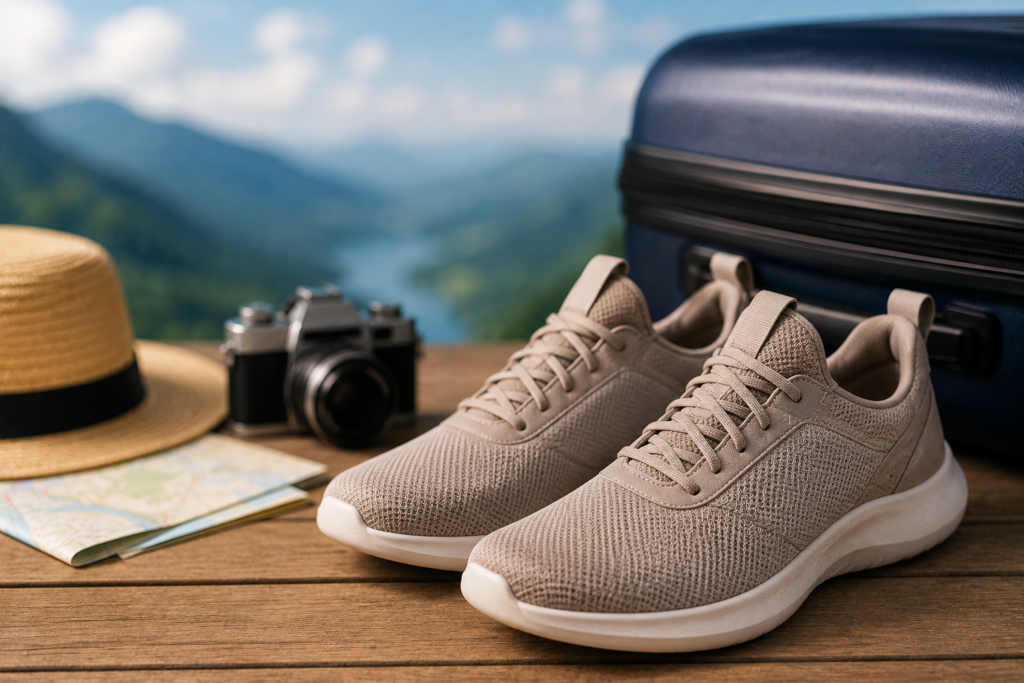
Choosing comfortable travel shoes is really about understanding how you will use them. From my experience, appearance should not be the only factor. A good pair should fit properly, provide suitable support, have comfortable cushioning, offer enough grip, and match the weather and activities at your destination.
I also believe testing your shoes before traveling is one of the simplest things you can do. Walking around in them gives you a much better idea of whether they can handle a full day of sightseeing.
The best travel shoes are not necessarily the most expensive ones. They are the shoes that allow you to walk comfortably, feel supported, and enjoy your trip without constantly thinking about your feet.
Before your next journey, take some time to choose your footwear carefully. A comfortable pair of shoes may seem like a small part of your travel preparation, but it can have a surprisingly big impact on your overall travel experience.