 travelandlearns
Related Articles
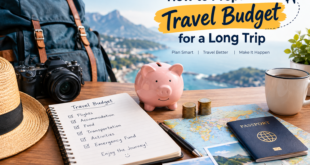
Traveling is one of the best ways to learn, relax, explore new places, and create memories. However, I believe a good trip becomes much more enjoyable when I know how much I can actually afford to spend. Without a simple travel budget, it is very easy to spend too much during the first few days and then worry about money for the rest of the trip.
The good news is that creating a simple travel budget does not have to be complicated. You do not need advanced financial knowledge or expensive planning tools. A notebook, calculator, spreadsheet, or phone can be enough.
In this guide, I will explain how I would create a travel budget from the beginning, what expenses I would include, how I would save money, and why I always recommend keeping some extra money aside for unexpected situations.
Why a Travel Budget Is Important
In my opinion, a travel budget gives you control over your trip. It helps you understand how much money you need before leaving home and prevents unnecessary financial stress.
Many travelers calculate only the cost of flights and hotels. They forget about transportation, food, entrance tickets, shopping, travel insurance, mobile data, tips, and emergency expenses. These small costs can add up quickly.
A simple travel budget allows me to see the complete picture before I make reservations. It also helps me decide whether a destination is affordable or whether I should make changes to my travel plans.
Start With Your Total Travel Budget
The first step is deciding how much money you can comfortably spend on the entire trip.
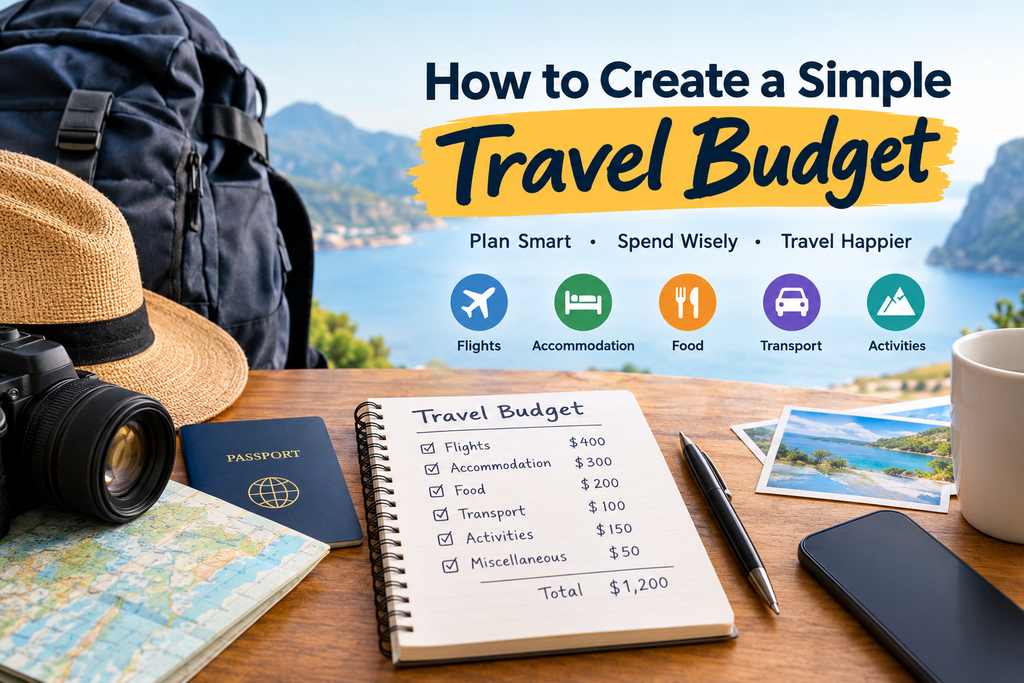
For example, suppose I have $1,200 available for a short vacation. I would treat this amount as my maximum travel budget rather than immediately spending all of it.
I would also try to keep an emergency reserve separate from my normal spending money. If possible, I might plan to spend around $1,000 and keep $200 available for unexpected expenses.
This approach gives me peace of mind because I know that every dollar has a purpose.
Calculate Your Transportation Costs
Transportation is usually one of the biggest parts of a travel budget.
First, I would estimate the cost of getting to my destination. This could include flights, trains, buses, or fuel if I am driving.
I would then calculate local transportation costs. Depending on the destination, I might need airport transfers, buses, trains, taxis, rideshare services, rental cars, or other transportation.
For example, if my flight costs $400, I would not consider transportation finished. I might also need another $100 for transportation during the trip.
When planning a travel budget, I recommend checking transportation costs before booking accommodation because expensive local transportation can change the total cost of a trip.
Plan Your Accommodation Budget
Accommodation is another major travel expense.
Before booking a hotel, hostel, guesthouse, apartment, or other accommodation, I would decide how much I can spend per night.
For example, if I am traveling for five nights and want to spend around $300 on accommodation, my target would be approximately $60 per night.
However, I would also check whether taxes, service charges, cleaning fees, or other costs are included in the displayed price.
Sometimes a cheaper room becomes more expensive after additional charges are added. That is why I prefer to look at the final price rather than only the advertised nightly rate.
Estimate Your Food Expenses
Food can be difficult to predict because everyone has different eating habits.
Personally, I would create a daily food allowance. For example, I might plan $40 per day for meals and drinks.
If I am traveling for five days, that gives me a food budget of approximately $200.
I would also consider the type of destination. Food costs can be very different between countries, cities, and neighborhoods.
One simple way to reduce food expenses is to mix restaurants with affordable local food. If my accommodation includes breakfast, I can also use that opportunity to reduce my daily spending.
Add Activities and Attractions
Travel is not only about reaching a destination. Most people want to experience something when they arrive.
That could include museums, guided tours, national parks, boat trips, theme parks, historical sites, cultural experiences, or outdoor activities.
I recommend making a small list of the activities I really want to experience and checking their prices before traveling.
For example, if I expect to spend $150 on attractions and activities, I would include that amount in my travel budget from the beginning.
This helps me enjoy experiences without feeling guilty about spending money on them.
Remember Small Expenses
One of the biggest mistakes I see in travel planning is ignoring small expenses.
A bottle of water may seem inexpensive. A snack may not matter. A taxi ride may seem small. But when several small purchases happen every day, they can become a significant part of the travel cost.
I would create a miscellaneous category for things such as snacks, tips, luggage storage, public toilets, small purchases, souvenirs, and unexpected fees.
Even $50 to $100 can make a useful difference.
Include Travel Insurance and Other Important Costs
Depending on the destination and type of trip, there may be additional expenses that should be included in a travel budget.
These can include travel insurance, visa fees, airport charges, mobile data, currency exchange fees, luggage fees, vaccinations when applicable, and other travel requirements.
I would research these costs before finalizing my budget instead of discovering them at the last minute.
Some expenses are easy to forget because they do not happen every day, but they can still affect the total cost of a trip.
Create a Daily Travel Budget
After calculating the major expenses, I like to create a daily spending limit.
Suppose my trip lasts five days and I have $200 available for daily expenses after paying for major bookings. I could set a target of $40 per day.
This does not mean I have to spend exactly $40 every day. One day I might spend $25, while another day I might spend $55.
The purpose is simply to have a general limit.
A daily travel budget makes it easier to control spending while still giving me enough flexibility to enjoy the trip.
Keep an Emergency Fund
I strongly recommend keeping emergency money separate from your normal travel budget.
Unexpected situations can happen during any trip. A delayed flight, lost luggage, medical expense, transportation problem, or sudden change of plans can increase your costs.
If my total travel budget is $1,200, I would prefer not to plan every dollar of that amount.
Even a small emergency reserve can provide additional confidence.
The important point is that emergency money should be treated as a backup rather than extra shopping money.
Look for Ways to Save Money
Once I have created my travel budget, I look for areas where I can reduce costs.
For example, I might compare different travel dates, choose affordable accommodation, use public transportation, eat at local restaurants, book popular attractions in advance when appropriate, or avoid unnecessary shopping.
I do not believe that saving money means making a trip uncomfortable. In many cases, smart planning can actually make a trip better.
Instead of spending money on something I do not really value, I can use that money for an experience I will remember.
Use a Simple Travel Budget Formula
A simple travel budget can be organized like this:
Transportation + Accommodation + Food + Activities + Insurance + Miscellaneous + Emergency Reserve = Complete Travel Budget
For example:
Transportation: $500
Accommodation: $300
Food: $200
Activities: $150
Miscellaneous: $50
Total planned spending: $1,200
I would then try to keep an additional emergency reserve if my finances allow it.
The exact numbers will obviously depend on the destination, trip length, travel style, and personal preferences.
Track Your Spending During the Trip
Creating a budget before traveling is only half the job. I also recommend tracking expenses during the trip.
I can use a notes app, spreadsheet, budgeting app, or even a small notebook.
At the end of each day, I would quickly record what I spent. This takes only a few minutes but helps me understand whether I am staying within my plan.
If I spend less than expected on food one day, I may have more flexibility for an activity later.
Review Your Budget Before Booking
Before I finalize my trip, I would review the entire budget one more time.
I would ask myself a few simple questions.
Can I comfortably afford this trip?
Have I included transportation?
Have I calculated all accommodation costs?
Have I planned for food?
Have I included activities?
Have I considered unexpected expenses?
Do I have some emergency money available?
If the answer to these questions is yes, I feel much more confident about booking.
Final Thoughts
Creating a simple travel budget is not about restricting yourself from enjoying your vacation. For me, it is about knowing where my money is going so I can enjoy my trip without constantly worrying about expenses.
The easiest approach is to start with your total budget, divide it into transportation, accommodation, food, activities, miscellaneous costs, and an emergency reserve. Then create a daily spending target and keep track of your actual expenses while traveling.
You do not need a complicated financial system. A simple and realistic plan can be enough.
When I plan my travel budget properly, I find it much easier to make smart decisions, avoid unnecessary spending, and enjoy the destination with greater peace of mind. Good travel planning is not about spending the least amount possible. It is about spending your money wisely on the things that matter most to you.
SEO keywords: simple travel budget, how to create a travel budget, travel budget planning, vacation budget, travel expenses, budget travel planning, travel budget for beginners, how to save money while traveling