 travelandlearns
Related Articles
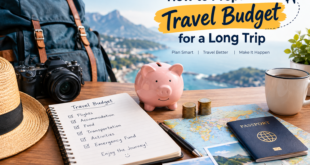
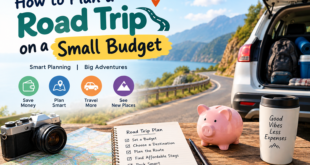
Planning a vacation does not always mean spending a lot of money. In my experience, a good trip is more about making smart choices than having a huge travel budget. With a little research, flexible planning, and realistic spending limits, you can enjoy a memorable vacation without putting too much pressure on your finances.
Many people avoid traveling because they think flights, hotels, food, and activities are always expensive. The truth is that there are many ways to plan a vacation on a small budget. You simply need to know where your money is going and which expenses you can reduce.
In this guide, I will share the practical steps I use when planning an affordable vacation, especially when the budget is limited.
Start With a Clear Vacation Budget
The first thing I recommend is setting your total budget before choosing your destination. This makes the rest of the planning much easier.
Decide exactly how much you can comfortably spend on the entire trip. For example, if you have $500 available, do not plan a vacation that could easily cost $800 or $1,000.
I like to divide the budget into different categories such as transportation, accommodation, food, activities, shopping, and emergency expenses.
A simple budget might look like this:
Transportation: $150
Accommodation: $150
Food: $100
Activities: $50
Emergency and miscellaneous expenses: $50
The numbers will change depending on your destination, but the basic idea remains the same. Having a budget gives you control over your spending.
Choose an Affordable Destination
Your destination can make the biggest difference to your vacation cost. Some locations are naturally more expensive because of high hotel prices, expensive restaurants, or costly transportation.
When I travel on a small budget, I usually look for destinations where accommodation, food, and local transportation are reasonably priced.
You do not always have to travel internationally. A nearby city, beach, mountain area, historical town, or nature destination can provide an excellent vacation experience.
I also recommend comparing several destinations before making a final decision. Sometimes a destination that looks expensive at first can actually be affordable if you find inexpensive accommodation and transportation.
Travel During the Off Season
One of my favorite ways to save money while traveling is choosing the right time of year.
Popular destinations can become much more expensive during holidays, summer vacations, festivals, and other peak periods. Hotels and transportation providers often increase their prices when demand is high.
If your schedule is flexible, consider traveling during the off season or shoulder season. You may find cheaper rooms, less crowded attractions, and better transportation prices.
Another advantage is that you can often enjoy popular attractions without dealing with large crowds.
Before booking, compare prices for different dates. Changing your trip by just a few days can sometimes make a noticeable difference.
Look for Affordable Transportation
Transportation can take a large portion of a travel budget, so I always compare different options before booking.
Depending on the destination, you might consider buses, trains, shared transportation, budget airlines, or driving your own car.
Do not automatically choose the fastest option. If you have extra time, a slower but cheaper transportation option may be better for your budget.
For short trips, traveling by bus or train can sometimes be more affordable than flying. For road trips, sharing fuel costs with friends or family can also reduce expenses.
I also recommend checking the total transportation cost rather than focusing only on the ticket price. Baggage charges, airport transportation, parking, and other fees can increase the final amount.
Find Budget Friendly Accommodation
Accommodation is another major expense, but you do not always need a luxury hotel to have a comfortable vacation.
When planning an affordable trip, I compare hotels, guesthouses, hostels, vacation rentals, and other suitable accommodation options.
Location is important too. A very cheap hotel far away from everything may actually cost more because you will spend extra money on transportation every day.
Sometimes paying slightly more for a room in a convenient location can save money overall.
If you are traveling with family or friends, sharing a suitable room or rental can also reduce the cost per person.
Always check the total price, including taxes and additional fees, before making a reservation.
Plan Your Meals in Advance
Food expenses can easily become a problem when traveling without a plan. Eating at expensive restaurants for every meal can quickly consume a small travel budget.
I prefer to mix different options. You can enjoy a local restaurant occasionally while choosing affordable cafes, markets, grocery stores, or simple meals at other times.
If your accommodation provides a kitchen, you can prepare some meals yourself. Even having breakfast at your accommodation can help reduce daily expenses.
I also recommend carrying a reusable water bottle where practical. Buying drinks repeatedly during a trip may seem like a small expense, but these costs can add up.
The goal is not to avoid good food. Instead, it is about finding a balance between enjoying local cuisine and controlling your spending.
Choose Free or Low Cost Activities
A vacation does not need expensive activities to be enjoyable.
Many destinations offer free parks, walking areas, beaches, public markets, museums on free entry days, historical sites, viewpoints, and cultural experiences.
Before your trip, make a list of things you would like to see and then check which activities are free or inexpensive.
I usually prefer planning a few important paid activities and filling the rest of the schedule with free experiences. This keeps the vacation interesting without putting too much pressure on the budget.
Walking around a new city, visiting a local market, watching a sunset, or exploring a public park can become some of the best memories of a trip.
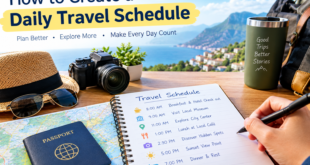
Make a Daily Spending Limit
Setting a daily spending limit is one of the simplest budget travel tips I can recommend.
For example, if you have $200 for food, activities, and small purchases during a four day trip, you could aim to spend around $50 per day.
You do not have to follow the number perfectly every day. If you spend less on one day, you may have more flexibility the next day.
I find that having a daily limit makes me more aware of unnecessary purchases. It also reduces the chance of spending most of the budget during the first few days.
Avoid Unnecessary Shopping
Shopping can be tempting when you are on vacation. Souvenirs, clothing, gadgets, snacks, and other items can quickly increase your expenses.
Before buying something, I ask myself whether I really need it or whether I simply want it because I am traveling.
If you want souvenirs, set a small shopping budget before leaving home. This allows you to buy something meaningful without damaging your overall vacation budget.
Remember that photographs and experiences can be more valuable than things you purchase.
Keep an Emergency Fund
Even when you are trying to save money, I strongly recommend keeping some money aside for unexpected expenses.
Your transportation could be delayed, you might need medicine, an activity could cost more than expected, or you could face an unexpected change in accommodation.
I prefer treating my emergency money as if it does not exist unless I genuinely need it.
This small safety net can make a big difference because unexpected expenses are easier to handle when you have already planned for them.
Book Important Things Early
Booking early can sometimes help you find better prices, especially for accommodation and transportation.
However, I do not recommend booking everything immediately without comparing prices. First research the destination, compare providers, check cancellation policies, and understand the total cost.
If you find a good deal that fits your plans and budget, booking ahead can give you peace of mind.
It is also useful to keep your travel dates flexible when possible. Flexibility can give you more opportunities to find affordable options.
Use a Simple Vacation Checklist
A checklist can help prevent unnecessary spending and last minute purchases.
Before leaving, I make sure I have important items such as suitable clothing, toiletries, chargers, travel documents, medication if needed, and other essentials.
Packing properly can save money because you are less likely to buy things at expensive tourist locations.
I also recommend checking the weather before packing. Taking suitable clothing for the expected conditions can help you avoid buying replacement items during the trip.
Track Your Expenses During the Trip
Creating a budget is useful, but tracking your actual spending is even better.
You can use a simple notes app, spreadsheet, or notebook to record transportation, food, accommodation, activities, and shopping expenses.
I find that recording expenses makes it easier to notice where money is going. If you are spending more than expected on food, for example, you can adjust your plans for the next day.
Small adjustments during the trip can prevent a major budget problem later.
Final Thoughts
In my opinion, planning a vacation with a small budget is completely possible if you focus on smart decisions instead of expensive experiences. You do not need a luxury hotel, expensive restaurants, or a long list of paid attractions to enjoy traveling.
Start by setting a realistic budget, choose an affordable destination, compare transportation and accommodation, travel during less expensive periods, plan your meals, and look for free activities. Most importantly, keep track of your spending throughout the trip.
A small budget can actually encourage you to travel more thoughtfully. Instead of spending money simply because you are on vacation, you begin looking for experiences that offer real value.
The best vacation is not necessarily the most expensive one. For me, a successful trip is one where I return home with great memories, new experiences, and my finances still under control.
SEO Keywords: plan a vacation on a small budget, affordable vacation planning, budget travel tips, cheap vacation ideas, how to save money on vacation, affordable travel, vacation budget planning, low budget travel
WordPress Featured Image:
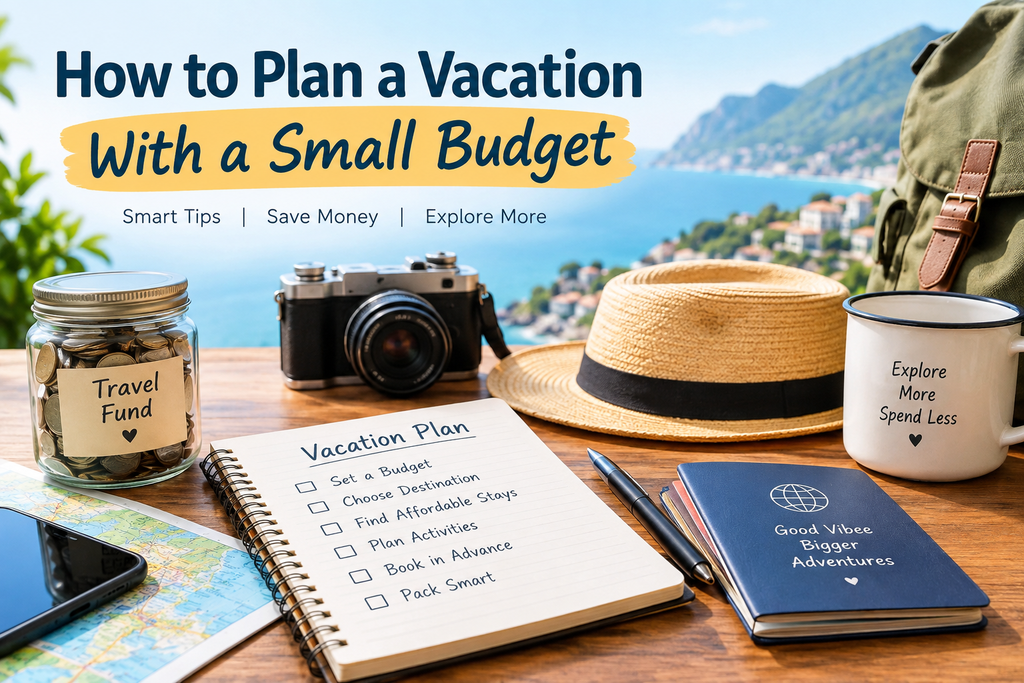
The image has been created specifically around the article topic with a clean, travel focused, family friendly design suitable for a WordPress blog and AdSense friendly content.