 travelandlearns
Related Articles
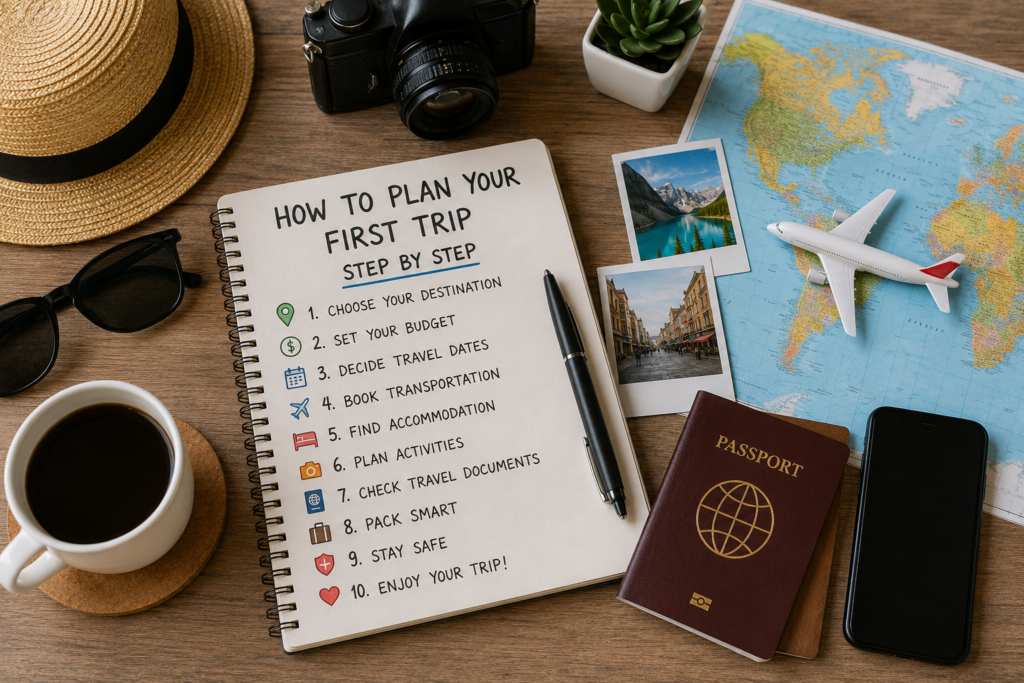
Planning your first trip can feel exciting and confusing at the same time. There are so many things to think about, including choosing a destination, setting a budget, booking flights, finding a hotel, preparing documents, and deciding what to pack. When I was learning about travel planning, I realized that the easiest way to avoid stress is to handle everything one step at a time.
You do not need to become an expert traveler before planning your first trip. You simply need a clear plan and enough time to prepare. In this guide, I will explain how to plan your first trip step by step in a simple and practical way. Whether you are planning a domestic vacation or your first international trip, these steps can help you organize the journey with more confidence.
Step 1: Choose Your Destination
The first step in planning your first trip is deciding where you want to go.
Think about the type of experience you want. Maybe you want a relaxing beach vacation, a city break, a nature adventure, a cultural experience, or a family holiday. Your destination should match your interests, available time, and budget.
I recommend researching several destinations instead of immediately choosing the first place that looks interesting. Compare the weather, accommodation prices, transportation, attractions, local culture, and general travel conditions.
If this is your first trip, choosing a destination that is relatively easy to navigate can make the experience more comfortable.
Step 2: Set a Realistic Travel Budget
After choosing a destination, the next important step is creating a travel budget.
Your budget should include more than just the cost of your flight. Think about accommodation, transportation, food, activities, travel insurance, visa expenses if applicable, shopping, and emergency money.
I also recommend keeping a small extra amount for unexpected expenses. Travel rarely goes exactly according to plan, and having a financial cushion can make unexpected situations easier to handle.
Instead of asking only, “How much will the trip cost?” I prefer to ask, “How much can I comfortably spend without creating financial stress?”
That approach can help you enjoy your trip instead of worrying about money throughout the journey.
Step 3: Decide Your Travel Dates
Once you know your destination and budget, decide when you want to travel.
Your travel dates can have a major effect on the total cost of your trip. Hotels and flights may be more expensive during holidays, festivals, school vacations, and peak tourist seasons.
Research the weather at your destination as well. A beautiful destination can become much less enjoyable if you visit during a season that does not suit your plans.
If your schedule is flexible, compare different dates before booking. Sometimes changing your trip by a few days can make a noticeable difference in flight and hotel prices.
Step 4: Check Your Travel Documents
This step is especially important for an international trip.
Check your passport, visa requirements, identification documents, travel insurance information, and any other documents required for your destination.
Do not wait until the week before your trip to check your passport. Some countries require a passport to remain valid for a certain period beyond your arrival date.
If you need a visa, research the requirements early and allow enough time for the application process.
I also recommend keeping digital copies of important documents in a secure location. Having backup copies can be useful if your original documents are lost or damaged.
Step 5: Research Your Destination
Before booking everything, spend some time learning about the destination.
Research the main attractions, local transportation, neighborhoods, food, weather, cultural customs, opening hours, and general costs.
You do not need to research every street or restaurant. The goal is simply to understand the place before you arrive.
I find that basic destination research makes a first trip much easier because you already have an idea of what to expect.
You can also make a list of the places you really want to visit. This helps you organize your time without turning the entire vacation into a strict schedule.
Step 6: Book Your Transportation
After deciding on your destination and dates, you can start looking at transportation.
For international travel, this may mean booking a flight. For domestic trips, you may also consider trains, buses, rental cars, or other transportation options.
Compare the total cost rather than looking only at the advertised ticket price. Baggage fees, seat selection, airport transportation, and other additional charges can affect the final cost.
When booking a flight, check the departure and arrival airports carefully. Some cities have multiple airports, and choosing the wrong one can create unnecessary transportation problems.
Always review your passenger name, travel dates, destination, and flight times before completing the booking.
Step 7: Find the Right Accommodation
Your hotel or accommodation can have a big effect on your travel experience.
When choosing accommodation, look at more than the room price. Consider the location, transportation access, reviews, facilities, check in times, and cancellation policy.
For a first trip, I usually recommend staying somewhere that makes transportation simple. A slightly more expensive hotel in a convenient location can sometimes save time and transportation costs.
Pay special attention to the hotel cancellation policy. If your plans are uncertain, a flexible booking may be worth considering even if it costs a little more.
Step 8: Plan Your Daily Activities
Now it is time to think about what you actually want to do during your trip.
Make a list of attractions, restaurants, experiences, and activities that interest you. Then organize them based on location and available time.
One mistake I would avoid is trying to visit too many places in one day. A packed schedule may look impressive on paper, but it can leave you exhausted.
Instead, choose a few important activities each day and leave some free time.
Free time is valuable because you may discover an interesting local market, café, park, museum, or neighborhood that was not part of your original plan.
Step 9: Plan Your Airport and Local Transportation
Transportation planning does not end when you book your flight.
Think about how you will get from the airport to your hotel and how you will move around once you arrive.
Research available options such as airport buses, trains, taxis, rideshare services, hotel transportation, or rental cars.
Knowing your basic transportation options before arrival can reduce stress, especially if you land late at night or arrive in an unfamiliar city.
Save the hotel address on your phone and keep it accessible. If there is a language barrier, having the address written clearly can also be helpful.
Step 10: Check Travel Insurance
Travel insurance is another part of trip planning that should not be ignored.
Depending on the policy, travel insurance may provide coverage for certain unexpected situations involving medical emergencies, trip interruptions, baggage problems, or other covered events.
The exact benefits depend on the insurance provider and policy, so read the terms before purchasing.
I recommend considering travel insurance particularly for expensive international trips where an unexpected problem could result in significant costs.
Step 11: Make a Packing Plan
Packing becomes much easier when you start early.
Check the weather forecast and think about the activities you have planned. Pack clothing that works for the conditions instead of simply taking everything you own.
Important items may include your passport, wallet, medications if applicable, phone charger, travel documents, comfortable shoes, toiletries, and appropriate clothing.
Try not to overpack. Carrying a huge suitcase can make airports, public transportation, and hotel transfers more difficult.
I prefer making a basic packing list several days before departure. This gives me time to notice anything I might have forgotten.
Step 12: Prepare Your Money and Payment Options
Before traveling, think about how you will pay for things at your destination.
Depending on where you are going, you may use credit cards, debit cards, mobile payments, or cash.
Check whether your bank charges international transaction fees and notify your bank if necessary according to its policies.
It is also sensible to carry more than one payment option. If one card does not work, having another option can prevent a difficult situation.
Avoid carrying all your money in one place.
Step 13: Organize Your Important Information
Before leaving home, organize your important travel information.
Keep your flight confirmation, hotel reservation, passport information, insurance details, transportation information, and emergency contacts somewhere easy to access.
You can store digital copies on your phone and keep important physical documents separately.
I also recommend writing down your hotel address and basic travel details somewhere other than your phone. This can be useful if your phone battery runs out.
Step 14: Create a Simple Itinerary
A simple itinerary can make your first trip much easier.
Write down your departure details, accommodation information, major activities, transportation plans, and return journey.
You do not need to schedule every minute.
A good itinerary gives you direction while still leaving enough freedom to enjoy the destination.
For example, you might plan one major attraction in the morning, lunch nearby, another activity in the afternoon, and a relaxed evening. This is often more enjoyable than rushing between five different locations.
Step 15: Prepare Before Departure
As your trip gets closer, review everything one final time.
Check your passport and required documents. Confirm your flight details and hotel reservation. Check your luggage requirements and make sure your phone and other essential devices are charged.
Look at the weather and make any final packing adjustments.
If you are flying, give yourself enough time to reach the airport. First time travelers should avoid arriving at the last possible moment.
Leaving home early gives you extra time if traffic, transportation delays, airport queues, or unexpected problems occur.
Step 16: Stay Flexible During the Trip
Even the best travel plan can change.
Your flight might be delayed, a restaurant may be closed, the weather might change, or an attraction may take longer than expected.
Do not let one unexpected event ruin your entire trip.
One thing I have learned about travel is that flexibility is just as important as planning. A good plan should guide you, not control every minute of your vacation.
If something changes, look at your options and adjust your schedule.
Common First Trip Planning Mistakes
First time travelers often make a few simple mistakes.
One is trying to do too much in a short period. Another is choosing accommodation based only on price without considering location.
Some travelers also forget to check visa requirements or passport validity until it is too late.
Overpacking is another common problem. Taking unnecessary items can make transportation harder.
Finally, some people create a very strict itinerary and leave no room for rest or unexpected experiences.
Good travel planning is about preparation without making the trip feel like work.
Final Thoughts
Learning how to plan your first trip step by step does not have to be difficult. Start with your destination, create a realistic budget, choose your dates, check your documents, book transportation and accommodation, and then plan your activities.
After that, focus on practical details such as transportation, packing, money, insurance, and important travel information.
My biggest advice for a first trip is to give yourself enough preparation time. When you organize the important details before leaving home, you can spend more time enjoying the actual journey.
You do not need a perfect travel plan. You need a practical one that matches your budget, interests, schedule, and comfort level.
Your first trip is an opportunity to learn. Even if everything does not go exactly as planned, you will return with experience that will make your next journey easier and more enjoyable.
Frequently Asked Questions
How early should I start planning my first trip?
For an international trip, starting several weeks or months ahead can give you enough time to research destinations, arrange documents, compare prices, and make bookings.
What should I plan first for a trip?
Start by choosing your destination and setting a realistic budget. Then decide your travel dates and research the destination before making major bookings.
How much money should I save for my first trip?
There is no single amount that works for everyone. Your budget should include transportation, accommodation, food, activities, insurance, documents, and emergency expenses.
Should I plan every day of my trip?
No. A basic itinerary is helpful, but leaving some free time can make your trip more relaxing and allow you to enjoy unexpected experiences.
What is the most important thing to check before an international trip?
Check your passport validity, visa requirements, flight details, accommodation, and other entry requirements well before departure.