 travelandlearns
Related Articles

International travel can feel exciting, confusing, and a little stressful when you are doing it for the first time. There are many things to think about, including passports, visas, flights, accommodation, money, packing, airport procedures, and local customs. In my opinion, international travel becomes much easier when you prepare the important things before leaving home.
You do not need to be an experienced traveler to enjoy a trip abroad. You simply need a good plan, the right documents, and a willingness to learn. In this international travel guide for beginners, I will share the basic things I believe every first time traveler should know before visiting another country.
Start With Choosing the Right Destination
The first step in international travel is choosing a destination that matches your interests, budget, and travel experience. Some countries are easy for beginners because they have good public transportation, clear tourist information, and plenty of accommodation options.
Before choosing a country, I recommend researching its weather, attractions, transportation, culture, language, safety information, and general travel costs. Think about what you actually want from the trip. If you enjoy beaches, choose a destination known for coastal experiences. If you prefer history, museums, and architecture, look for cities with rich cultural attractions.
Do not choose a destination simply because it looks beautiful on social media. Research the practical side of visiting as well. A destination that looks perfect online may not be suitable for your budget or travel style.
Check Your Passport and Visa Requirements
Your passport is one of the most important documents for international travel. Before booking anything, check that your passport is valid for the required period. Some countries also require travelers to have several months of passport validity remaining after their planned arrival or departure.
Visa requirements are different for every country and can also depend on your nationality. Some destinations allow visa free entry, while others require an electronic travel authorization, online visa, or traditional visa application.
I strongly recommend checking official government or embassy information before making non refundable travel arrangements. Never assume that another traveler has the same entry requirements as you. Your nationality, passport type, destination, and purpose of travel can all affect the rules.
Keep digital and physical copies of important travel documents. These can include your passport, visa, flight reservation, hotel booking, travel insurance details, and emergency contacts.
Plan Your International Flights Carefully
Booking an international flight is not just about finding the cheapest ticket. You should also look at baggage allowances, layovers, airport locations, departure times, and ticket conditions.
For a first international trip, I prefer having a reasonable connection time rather than choosing an extremely short layover just to save money. Missing a connecting flight can turn a simple journey into a stressful experience.
Check your departure airport carefully because large cities sometimes have multiple airports. Also confirm the baggage rules before packing. Airlines may have different limits for checked luggage, cabin bags, and personal items.
I also recommend arriving at the airport early. International flights often involve check in, baggage drop, security screening, immigration, and sometimes additional document checks.
Book Accommodation in a Good Location
Where you stay can have a major effect on your travel experience. A cheap hotel far away from everything may actually cost more when you add transportation expenses and travel time.
When choosing accommodation, look at its location, guest reviews, transportation access, check in rules, cancellation policy, and nearby facilities. For my first visit to a new country, I would rather stay somewhere convenient and reliable than save a small amount of money on a less convenient location.
Make sure you know how to reach your accommodation from the airport. Research the available options, such as airport trains, buses, taxis, or licensed ride services.
Understand Your Travel Budget
One of the biggest mistakes beginners can make is planning only for flights and hotels. International travel includes many smaller expenses that can quickly add up.
Your travel budget should include accommodation, transportation, food, attractions, shopping, communication costs, airport transfers, travel insurance, and emergency expenses.
I always recommend keeping some extra money available for unexpected situations. A delayed flight, additional transportation, lost luggage, or an unplanned hotel night can affect your budget.
It is also useful to understand the local currency before arriving. Learn the approximate exchange rate and know how much common expenses may cost. This makes it easier to recognize whether you are paying a reasonable price.
Learn About Money and Payment Methods
Before traveling internationally, check whether your debit or credit cards work in your destination country. Inform your bank about your travel plans if required by your bank.
I recommend carrying more than one payment option. You can keep a small amount of local cash while using a card for larger purchases where cards are accepted.
Avoid keeping all your money in one place. You can divide your cash and cards between your wallet, luggage, and another secure location.
It is also important to understand foreign transaction fees and ATM charges. These small fees can become expensive during a longer trip.
Buy Travel Insurance
Travel insurance is another important part of international travel planning. Many beginners ignore it because they think nothing will go wrong. In my view, travel insurance is about preparing for situations that you cannot predict.
Depending on the policy, travel insurance may provide coverage for certain medical emergencies, trip interruptions, baggage problems, delays, or other covered situations.
Always read the policy details before purchasing it. Different insurance plans have different limits, exclusions, and conditions. Make sure the coverage is appropriate for your destination and planned activities.
Pack Smart Instead of Packing Everything
Packing for international travel can be difficult when you are traveling abroad for the first time. My advice is simple: pack according to what you will actually use.
Start with essential clothing, comfortable shoes, toiletries, medications if needed, travel documents, chargers, and personal items. Check the weather forecast before deciding what clothing to take.
Avoid filling your suitcase with things you probably will not use. A lighter bag makes airports, public transportation, hotel changes, and walking around much easier.
Keep important documents and valuable items in your carry on bag instead of checked luggage. Your passport, wallet, phone, medication, travel documents, and essential electronics should remain accessible.
Learn Basic Local Customs
International travel is not only about visiting famous places. It is also about experiencing another culture respectfully.
Before visiting a country, learn a few basic customs. Research appropriate clothing, greetings, dining etiquette, photography rules, tipping practices, and behavior at religious or cultural sites.
Learning a few simple words in the local language can also make a positive difference. Even if your pronunciation is not perfect, making an effort to communicate respectfully can create better interactions with local people.
Remember that customs that are normal in your country may not be normal somewhere else. Being observant and respectful can help you avoid unnecessary misunderstandings.
Prepare for the Airport Experience
The airport can seem complicated during your first international trip, but it becomes much easier when you understand the basic process.
After arriving, follow the signs for check in and baggage drop. Then proceed through security and passport control when required. After that, check the departure screens for your gate and boarding information.
Do not assume that your gate will remain the same. Keep checking airport screens for updates.
When boarding begins, follow the instructions from the airline staff. Keep your passport and boarding pass easily accessible because you may need them several times.
Stay Connected While Traveling
Having reliable communication can make international travel much easier. Before leaving, check whether your mobile network offers international roaming.
Depending on your destination, you may also consider a local SIM card or an eSIM. Compare prices and coverage before making a decision.
Download useful information while you have internet access. This can include maps, hotel addresses, booking confirmations, translation tools, and transportation information.
I also recommend saving important addresses offline. If your internet stops working, you will still have access to the information you need.
Stay Aware of Your Personal Safety
Most international trips are enjoyable, but basic safety awareness is always important. Keep your belongings secure, especially in crowded tourist areas and public transportation.
Avoid displaying large amounts of cash or expensive belongings. Be careful when accepting unsolicited help or offers from strangers, particularly when money is involved.
Research the local emergency services and keep important contact information available. It is also a good idea to tell someone you trust about your travel plans.
You do not need to be constantly worried. Simply staying aware of your surroundings can make a big difference.
Keep Your First Trip Simple
One thing I have learned about travel planning is that beginners often try to do too much. They create schedules that include several cities, dozens of attractions, and very little free time.
I believe your first international trip should have some breathing room. Give yourself enough time to understand the destination instead of rushing from one attraction to another.
If you are visiting a large country, consider exploring one or two areas rather than trying to see everything in a single trip. You can always return later.
Final Thoughts
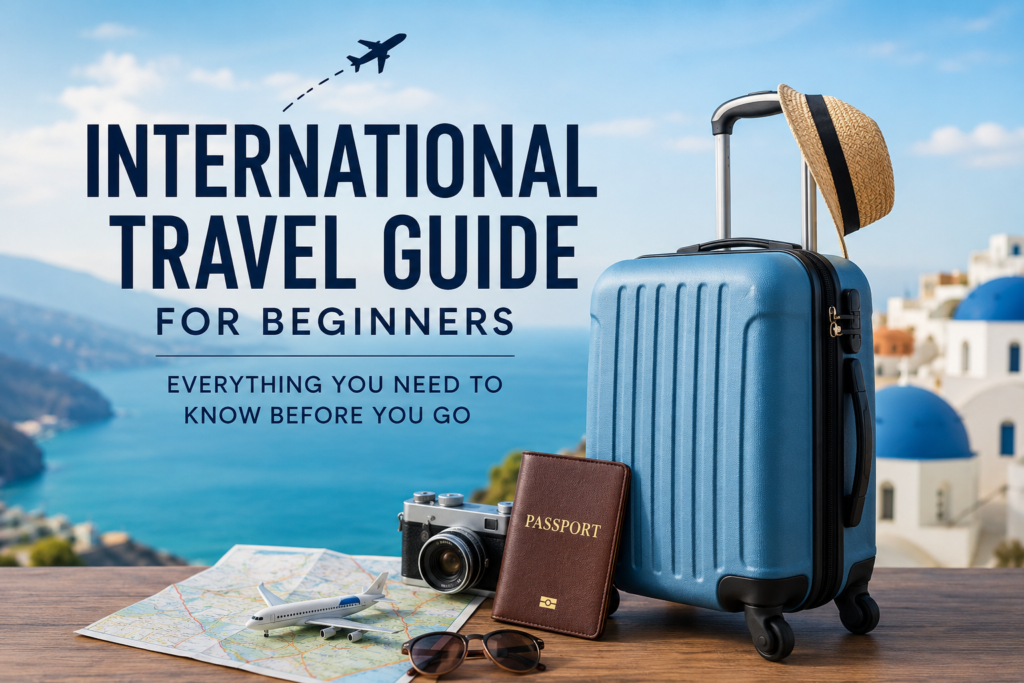
International travel may seem complicated at first, but proper preparation can make the entire experience much easier. Start by choosing a destination that fits your interests and budget. Check passport and visa requirements, book suitable flights and accommodation, prepare your finances, purchase appropriate travel insurance, and pack only what you need.
Most importantly, give yourself time to learn. Your first international trip may not go perfectly, and that is completely normal. You may take the wrong train, misunderstand a sign, forget something at the hotel, or discover that your original plan needs to change.
That is part of traveling.
In my opinion, the best international travel experiences come from balancing preparation with flexibility. Have your important documents ready, understand the basics, respect the local culture, and remain open to new experiences.
With the right preparation, your first trip abroad can become more than just a vacation. It can give you confidence, new perspectives, unforgettable memories, and the motivation to explore even more of the world.