 travelandlearns
Related Articles

When I started learning about international travel, I realized that understanding currency is almost as important as understanding flights, passports, and visas. Many first time travelers focus so much on booking a hotel and planning sightseeing that they forget to think about how they will actually pay for things after reaching another country.
Every country can have its own currency, payment habits, exchange rates, and banking fees. Something that seems inexpensive at home can become surprisingly expensive after conversion and additional charges. That is why I believe having a basic understanding of travel currency can make an international trip much easier and more comfortable.
In this travel currency guide for beginners, I will explain the basics of foreign currency, exchange rates, cash, cards, ATM withdrawals, currency exchange, and simple ways to manage money while traveling.
What Is Foreign Currency?
Foreign currency simply means the money used in a country other than your own. If you travel internationally, you may need to pay for transportation, food, accommodation, shopping, attractions, and other expenses using the local currency.
For example, if your home currency is Pakistani Rupees and you travel to Europe, you will commonly encounter the Euro. If you travel to the United Kingdom, you will use British Pounds for most everyday purchases.
Understanding the local currency before your trip can help you recognize prices quickly. I recommend checking the currency symbol and currency code before traveling so that you do not accidentally confuse similar looking currencies.
Learn the Exchange Rate
An exchange rate tells you how much one currency is worth compared with another currency. Exchange rates can change regularly because currency markets are constantly moving.
For beginners, the most important thing is not to memorize complicated financial information. Instead, learn roughly how much the local currency is worth compared with your home currency.
Before a trip, I usually find it helpful to make a simple mental conversion. If a meal costs a certain amount in the local currency, I want to have a general idea of what that means in my own money.
You should remember that the rate shown online may not be exactly the rate you receive when exchanging cash or making a card transaction. Banks, exchange companies, and card providers may apply their own rates or fees.
Should You Carry Cash While Traveling?
Even though card payments are common in many destinations, I do not recommend traveling with no cash at all.
Cash can still be useful for small restaurants, local transportation, markets, tips, small shops, or places where card payments are unavailable. Some destinations also have areas where cash remains more common than electronic payments.
At the same time, carrying too much cash can create unnecessary risk if your wallet is lost or stolen.
My preferred approach is to carry a reasonable amount of local currency and keep access to electronic payment methods as a backup.
Where Should You Exchange Currency?
There are several ways to exchange money when traveling. You may exchange currency before leaving home, at an airport, through a bank, at a currency exchange office, or sometimes at your destination.
Airport exchange counters are convenient, but convenience does not always mean the best value. Some airport exchange services may offer less favorable rates or additional fees.
I recommend comparing the exchange rate and total cost before exchanging a large amount of money.
If you exchange currency at home, check the rate and ask whether there are service charges. If you exchange money after arrival, compare reputable options rather than choosing the first counter you see.
Using ATMs Abroad
ATMs can be one of the easiest ways to obtain local currency during an international trip. However, travelers should understand that an ATM withdrawal may involve several different charges.
Your bank may charge an international withdrawal fee. The ATM operator may also charge a fee. Your card network may have additional costs depending on the transaction.
Before traveling, I recommend checking your bank’s international ATM policies.
When an ATM asks whether you want the transaction processed in your home currency or the local currency, you should understand the difference. In many situations, choosing the local currency allows your card provider to handle the currency conversion rather than accepting the ATM operator’s own conversion.
Always review the screen carefully before confirming a withdrawal.
Tell Your Bank About Your Travel Plans
Some banks monitor transactions for unusual activity. An international purchase or ATM withdrawal can sometimes look different from your normal spending.
Before leaving for an international trip, check whether your bank requires travel notification. Policies differ between financial institutions, so it is worth checking directly with your bank.
I also recommend making sure your phone number and contact information are up to date with your bank. If there is a problem with your card while abroad, being able to contact your bank quickly can be extremely useful.
Carry More Than One Payment Method
One of my most important travel money tips is to avoid depending on only one payment method.
If you only carry one bank card and it stops working, gets lost, or becomes blocked, you could face a serious problem.
For international travel, I prefer having a primary payment card, a backup card, and some emergency cash. Keep them in separate secure locations rather than putting everything in one wallet.
This simple habit can make a big difference when something unexpected happens.
Understand Foreign Transaction Fees
Foreign transaction fees are charges that some banks or card providers apply when you make purchases in another currency.
For example, you might pay for a hotel using your card and later discover that an additional fee was added to the transaction.
Before traveling, check your card’s terms and conditions. Look for information about foreign transaction fees, international ATM charges, currency conversion, and other travel related costs.
A card with low international fees can potentially save you money during a longer trip.
Be Careful With Currency Conversion at Stores
Sometimes a restaurant, hotel, ATM, or shop may offer to charge your card in your home currency instead of the local currency. This is often called dynamic currency conversion.
It may look convenient because you immediately see the amount in familiar money. However, the exchange rate used for this conversion may not be as favorable as the rate available through your bank or card network.
I recommend reading the payment screen carefully before accepting a currency conversion option. If you understand the charges and have a choice, compare the options before confirming the transaction.
Learn the Local Currency Before Shopping
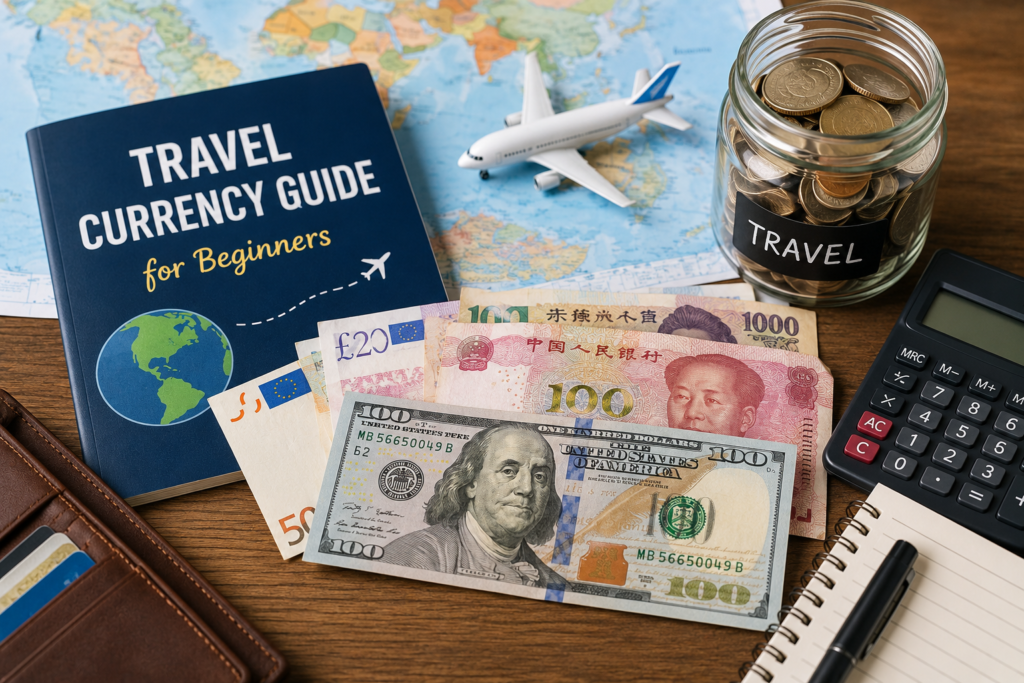
When I visit a new country, I like to familiarize myself with the local banknotes and coins before making purchases.
This is especially useful because unfamiliar currencies can make it difficult to recognize the value of different notes quickly.
Take a few minutes to learn the common denominations. Also pay attention to the appearance of coins and bills.
This can help you avoid accidentally handing over the wrong note or accepting incorrect change.
Keep Track of Your Travel Spending
Currency conversion can make budgeting more difficult. When everything is displayed in unfamiliar numbers, it is easy to lose track of how much you are actually spending.
I recommend keeping a simple record of major expenses during your trip. You do not need a complicated financial system. A basic note on your phone can be enough.
Track accommodation, transportation, food, shopping, attractions, and other significant purchases.
This helps you understand your remaining travel budget and prevents small purchases from quietly adding up.
Do Not Exchange All Your Money at Once
I generally recommend avoiding the temptation to convert your entire travel budget into cash before the trip.
Carrying a large amount of cash is inconvenient and creates additional risk. Instead, exchange or withdraw money as needed while keeping enough available for situations where cards are not accepted.
Your ideal balance between cash and cards depends on your destination. Some places are highly card friendly, while others rely much more heavily on cash.
Researching payment habits before your trip can help you decide how much cash to carry.
Keep Emergency Money Separate
An emergency cash reserve can be useful during international travel. However, I recommend keeping it separate from your everyday spending money.
For example, you might keep a small emergency amount in a secure location separate from your wallet.
The purpose is simple. If your wallet is lost or stolen, you still have access to some money.
The same principle applies to backup payment cards. Separating your financial resources can reduce the impact of a single problem.
Currency Tips for First Time International Travelers
If this is your first international trip, keep your money strategy simple.
Check the current exchange rate before traveling so you understand the approximate value of your money. Research the payment habits of your destination. Check your bank’s international fees. Carry some local cash. Take at least one backup payment method. Keep your cards and cash secure.
Most importantly, do not panic if the numbers initially look unfamiliar. After a day or two, you will usually become more comfortable recognizing prices in the local currency.
Final Thoughts
Learning how to manage money abroad does not have to be complicated. The most important thing is preparation.
Before your international trip, learn about the local currency, check exchange rates, understand your bank fees, and decide how you will combine cash and cards. Keep backup payment options available and avoid carrying more cash than you actually need.
I believe good travel budgeting is not about avoiding every expense. It is about knowing where your money is going and avoiding unnecessary fees whenever possible.
With a little preparation, handling foreign currency becomes much easier. Instead of worrying about every price or payment, you can focus on enjoying your destination, trying new experiences, and making the most of your international journey.