 travelandlearns
Related Articles
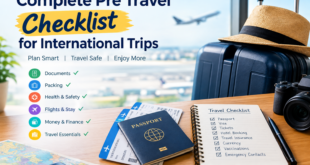
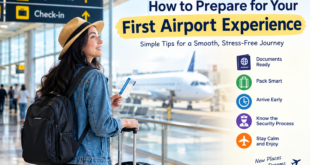
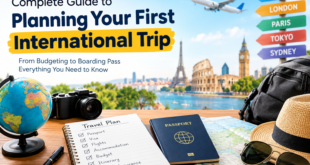
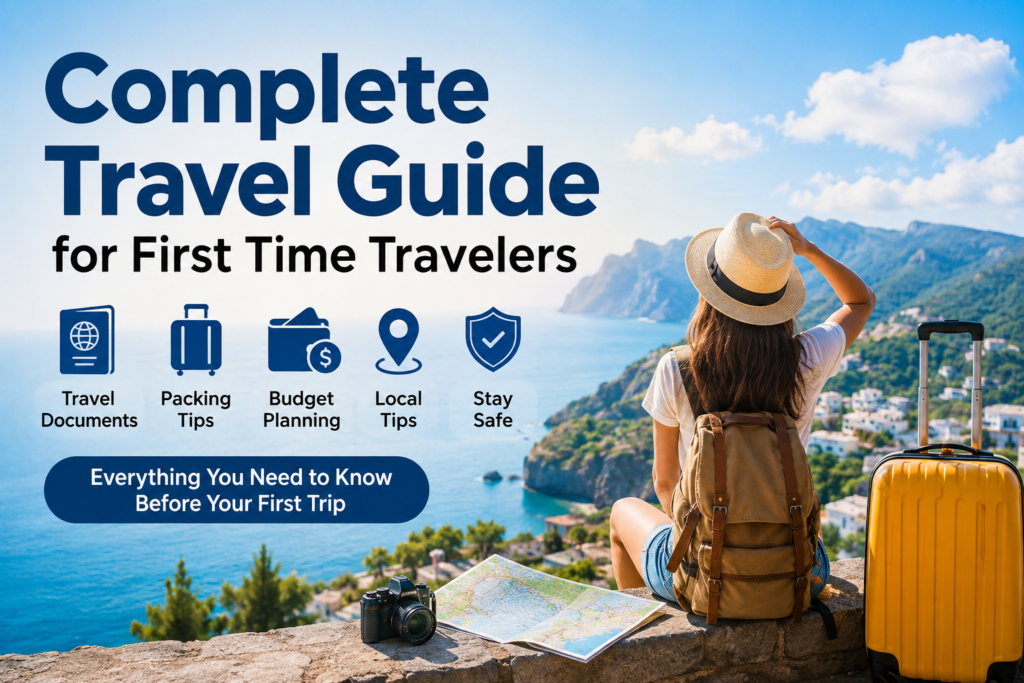
Traveling for the first time can feel exciting and a little confusing at the same time. When I planned my first trips, I realized that traveling is not only about booking a flight and reaching a beautiful destination. There are many small things that can make a trip comfortable, safe, and enjoyable. From choosing the right destination to preparing documents, packing your luggage, managing money, and understanding local customs, every step matters.
In this complete travel guide for first time travelers, I am sharing the basic knowledge and practical tips that I believe every beginner should know before starting a journey. You do not need to be an expert traveler to have a good trip. With some simple planning and the right information, your first travel experience can become one of your best memories.
Choose the Right Destination
The first step is choosing a destination that matches your budget, interests, and experience level. If this is your first international trip, I recommend starting with a destination that has good transportation, tourist facilities, and easy access to important services.
Think about what you want from the trip. Some travelers enjoy beaches, while others prefer mountains, historical places, shopping, food, or nature. Your destination should fit your personal interests instead of simply following popular travel trends.
Also consider the weather, local transportation, accommodation prices, and travel requirements before making your final decision. A little research at this stage can save you from many problems later.
Check Your Travel Documents
Travel documents are one of the most important parts of any journey. Before leaving home, make sure your passport is valid and check whether your destination requires a visa.
Depending on your trip, you may also need travel insurance, hotel reservations, return or onward tickets, vaccination documents, or other entry requirements.
I always recommend keeping digital copies of important documents. Save copies of your passport, visa, tickets, hotel booking, insurance information, and emergency contacts in a secure location. It is also useful to keep photocopies separately from your original documents.
Never wait until the last day to check these requirements. Rules can change, and discovering a problem shortly before departure can create unnecessary stress.
Plan Your Travel Budget
Budget planning is another important part of traveling for the first time. Your total travel cost is usually more than the flight or hotel price.
When preparing a budget, consider flights, accommodation, food, local transportation, entrance fees, shopping, travel insurance, internet or mobile data, and emergency expenses.
I personally prefer keeping a small extra amount for unexpected situations. A delayed flight, additional transportation, medical need, or last minute accommodation change can affect your budget.
You should also research the local currency and understand the approximate exchange rate before traveling. This makes it easier to recognize whether something is reasonably priced.
Book Flights and Accommodation Carefully
When booking a flight, do not only look at the cheapest price. Check baggage allowance, departure times, layovers, airport locations, and cancellation or change policies.
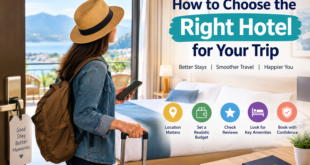
The same applies to accommodation. A cheap hotel may not actually save money if it is far away from the places you want to visit. I usually look at the location, guest reviews, transportation access, cleanliness, safety, and included facilities before making a booking.
For first time travelers, staying in a convenient area can make the entire trip easier. You may pay slightly more, but saving time and transportation costs can make it worthwhile.
Make a Simple Travel Itinerary
You do not need to plan every minute of your trip. In fact, I think an overly detailed itinerary can make a vacation stressful.
Instead, create a simple daily plan. List the main places you want to visit and group nearby attractions together. This helps reduce unnecessary travel time.
Leave some free time in your schedule. You may discover an interesting street, local restaurant, market, park, or attraction that was not part of your original plan.
A flexible itinerary gives you structure without taking away the fun of exploring.
Pack Smart
Packing is one area where many first time travelers make mistakes. It is easy to pack too much because you want to be prepared for everything.
My advice is to pack according to the weather, length of your trip, and activities you have planned. Choose comfortable clothing that can be used for more than one occasion.
Important items usually include comfortable shoes, basic toiletries, chargers, travel documents, medications you normally need, a small first aid kit, and suitable clothing.
Do not forget to check your airline baggage rules. Carrying too much luggage can result in additional fees and can make moving between airports, hotels, and transportation much harder.
Learn About Local Customs
Every destination has its own culture, traditions, and social rules. Learning a few basic customs before your trip can help you communicate respectfully with local people.
Research appropriate clothing, greetings, tipping practices, photography rules, public behavior, and important cultural traditions.
You do not need to become an expert in the local culture. Even learning a few basic words such as hello, thank you, please, and excuse me can make interactions more pleasant.
I believe respecting local culture is one of the most important responsibilities of a traveler.
Understand Local Transportation
Before arriving at your destination, learn how people normally move around. Depending on the location, you may have access to trains, buses, taxis, ride sharing services, rental cars, or walking routes.
Download useful maps and transportation apps before leaving if possible. It is also a good idea to understand how you will travel from the airport to your accommodation.
Knowing this information in advance can prevent confusion when you arrive tired after a long journey.
Keep Your Money Safe
Managing money while traveling requires some attention. I recommend avoiding carrying all your cash in one place.
If possible, use a combination of payment methods such as a bank card and a small amount of local currency. Keep important cards and cash in secure locations.
Before traveling, contact your bank if necessary and check whether your card will work internationally. You should also understand possible foreign transaction or ATM fees.
Avoid displaying large amounts of cash in public. Simple precautions can reduce unnecessary risks.
Stay Connected
Having internet access while traveling can be extremely useful. You may need it for maps, translation, transportation, hotel information, communication, or emergencies.
Depending on your destination, you can consider international roaming, a local SIM card, or an eSIM.
Before leaving home, download important information that you may need offline. This can include maps, hotel details, tickets, reservations, and translation resources.
Take Care of Your Safety
Traveling should be enjoyable, but basic safety should always be part of your planning.
Research your destination before arrival and understand which areas are busy and suitable for tourists. Keep your belongings secure and stay aware of your surroundings, especially in crowded places.
Do not share sensitive personal information with strangers, and be careful when accepting unexpected offers or assistance.
It is also useful to give a trusted person at home your basic travel details. They should know where you are staying and how they can contact you.
Be Careful With Food and Water
Trying local food is one of my favorite parts of traveling. However, first time travelers should still use common sense.
Choose restaurants and food stalls that appear clean and busy. Be careful with unfamiliar food if you have allergies or dietary restrictions.
In some destinations, tap water may not be suitable for visitors. Research local water conditions and follow reliable local guidance.
Most importantly, do not let fear stop you from experiencing local cuisine. Just make informed choices.
Keep Emergency Information With You
Before traveling, save important emergency numbers and contact information. Keep your accommodation address available because you may need to show it to a driver or ask for directions.
Also keep your travel insurance information and important contact details somewhere accessible.
If something goes wrong, staying calm is often more useful than panicking. Most travel problems can be managed when you have basic information and a backup plan.
Do Not Try to See Everything
One common mistake I see among first time travelers is trying to visit too many places in a short period.
Travel is not a competition. You do not need to visit every attraction just because it appears on a popular list.
Give yourself enough time to enjoy each place. Sit in a local café, walk around a neighborhood, talk to people, and experience the atmosphere.
Some of my favorite travel memories have come from simple moments rather than famous attractions.
Keep Your Expectations Realistic
Pictures on social media often show destinations at their best. Real travel can be different.
You may experience rain, crowds, delays, language barriers, expensive meals, or a hotel that does not look exactly like the pictures. These things are normal parts of traveling.
Instead of expecting everything to be perfect, prepare yourself to adapt. A flexible attitude can turn an unexpected problem into an interesting memory.
Final Thoughts
Your first trip does not need to be perfect to be memorable. The most important thing is to prepare properly, stay aware, respect local people, and remain flexible when plans change.
From my experience, good travel planning is about finding the right balance between preparation and freedom. Check your documents, create a realistic budget, choose suitable accommodation, pack only what you need, and learn a little about your destination before you go.
Once those basics are handled, allow yourself to enjoy the experience. Explore new places, try local food, take photographs, meet people, and create memories.
The more you travel, the more confident you will become. Your first journey is simply the beginning. With every trip, you learn something new about the world and about yourself. That is what makes travel such a valuable experience for anyone willing to step outside their comfort zone.